Taking the world’s temperature on pressing health matters, WHO Director-General Tedros Adhanom Ghebreyesus provided the latest on current global challenges – and successes when it comes to international cooperation.
“The outbreaks of hantavirus, Ebola and Marburg all show why there is no alternative to international cooperation in the face of international threats: no country alone can fight,” he said.
As regions scramble to respond to these outbreaks, Tedros reiterated that next week offers an opportunity for such collective action as the agency’s Member States will continue negotiations on the pathogen access and benefit sharing system of the WHO Pandemic Agreement.
‘Hantavirus outbreak over’
Right now, the total number of cases from the outbreak remains 13, including three deaths, and more than 650 contacts were identified and followed up by health authorities in 33 countries and territories.
“Today, the final contact of a person exposed to hantavirus on the cruise ship MV Hondius completed their quarantine period, tested negative and returned home,” Tedros said, adding that no further cases have been reported since 25 May.
Ebola spread continues
As of Thursday, 1,406 Ebola cases have been confirmed, and 438 people have died as the outbreak continues to expand in the Democratic Republic of the Congo (DRC), with an average of 38 new confirmed cases every day for the past two weeks.
In Uganda, no new cases of Ebola have been reported since 21 June.
The response has been strengthened under the DRC Government’s leadership, the WHO chief said, pointing to testing capacity expanding to 10 laboratories set up closer to communities alongside improved contact tracing and treatment capacity.
On Thursday, a clinical trial of two therapeutics was launched, with the enrolment of the first patient, and WHO has given emergency use listing to the first molecular diagnostic test for Bundibugyo virus, Tedros said.
“Despite all this progress, we continue to face significant challenges, including mistrust and violence,” the WHO chief said, noting that this week, an Ebola treatment centre in Ituri province was attacked and set ablaze, resulting in the deaths of two people and patients fleeing.
Venezuela updates
Last week’s double earthquakes has left more than 2,300 people dead, more than 5,000 injured and almost 16,000 homeless as search and rescue efforts switch to recovery, with the total number of casualties likely to rise considerably.
“The earthquake compounds an already severe humanitarian crisis, stretching a health system that was already struggling to meet people’s needs,” Tedros said.
To assist, WHO has:
- Disbursed $ 1.5 million from its Contingency Fund for Emergencies
- Sent more than six metric tonnes of emergency medical supplies, with another 28 metric tonnes due to be shipped in the coming days
- Coordinated the work of international emergency medical teams, who are on the ground providing care for the injured
- Provided support for the national health system in providing routine care for those who need it
Pollution remains ‘invisible’ killer
Today, 6.5 billion people are exposed to air pollution, exceeding WHO interim targets of 35 micrograms per cubic metre, with this “invisible threat” linked to diseases, including heart disease, stroke and lung cancer, and associated with 6.7 million premature deaths each year.
Protecting youth online
Highlighting the impact of social media and other digital environments on the health of young people, Tedros said digital environments “are not neutral” and “how they are designed, governed and monetised shapes many aspects of our lives, including health.”
Algorithms increasingly filter health information to increase attention and engagement rather than accuracy, allowing misleading claims to spread, he said, noting that WHO is responding by strengthening research, advising countries and promoting safe, equitable digital health environments.
“Above all, we must listen to young people,” Tedros said. “They are not experimental subjects, a captive market, or a commodity. They are our future. Together, we can and must shape digital environments that protect and support their health.”

News – Curated by Amanda Scott, Alias Group Creative
Follow her on Bluesky
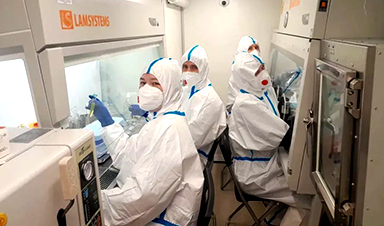
Researcher at Russian plague laboratory dies of ‘unknown’ infection
Russian authorities have imposed "anti-epidemic measures" after a laboratory worker at an institute in Siberia dedicated to studying the plague and other infectious diseases died of a mysterious illness. The researcher, a 28-year-old female [...]
GHCE Concept
From the preface of the book Global Health Care Equivalency in the Age of Nanotechnology, Nanomedicine and Artificial Intelligence, Edited by Frank Boehm: Since the publication of my first book (Nanomedical Device and Systems [...]
A Surprising Brain Signal Could Explain Why Eating Less Protein Extends Lifespan
A new paper suggests that limiting protein intake triggers a coordinated response throughout the body that may help explain how protein restriction affects healthy aging. Animals respond to protein restriction, or reduced protein in [...]

Back and shoulder surgery is often worse than useless
Millions of operations should be scrapped SIX IN TEN Britons have surgery at some point. So do lots of Americans, at a cost of perhaps $500bn a year, a third of all spending on [...]
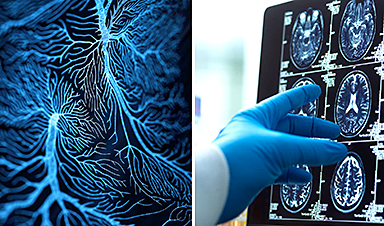
Cocaine plays with mind, hijacks brain circuit, drives increasingly rigid and repetitive behavior
Researchers have found that cocaine hijacks brain circuit, which to drive increasingly rigid and repetitive behavior. The brain circuit that normally participates in selecting natural mouth and face movements, but which becomes disproportionately engaged [...]
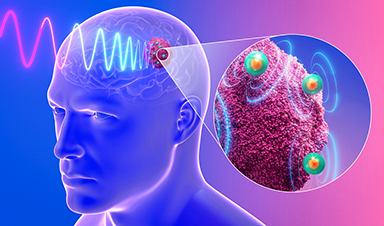
Injectable nanodevices could provide effective treatment for drug-resistant glioblastoma
The brain cancer glioblastoma is one of the most aggressive and treatment-resistant cancers known to medicine, carrying a median survival of just 12-15 months, even with the best available care. Now, researchers at the [...]
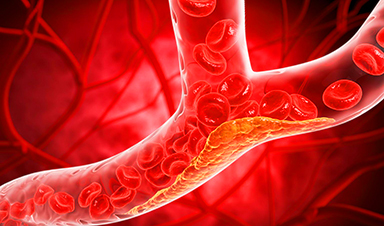
New Treatment Cuts “Bad” Cholesterol in Half for a Full Year
A single infusion of an experimental CRISPR-Cas9 therapy was reported to safely lower LDL cholesterol by 52.5% and triglycerides by 47.8%, as measured 12 months after treatment. What if one infusion could keep cholesterol [...]
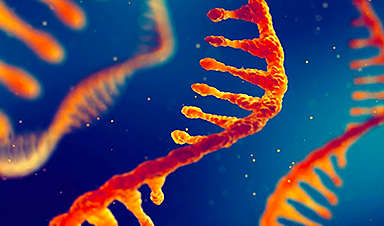
Too Much RNA Can Drain a Cell’s Energy, Scientists Discover
A virus may cripple a cell’s power supply simply by producing too much of a molecule the cell needs to survive. New research from the Texas A&M College of Veterinary Medicine and Biomedical Sciences [...]
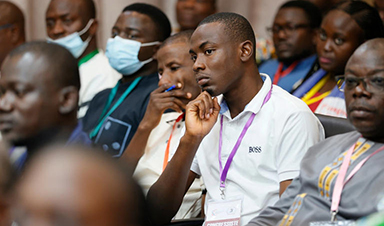
West African scientists warn of weakening health systems and urge stronger outbreak detection
LOME, Togo (AP) — West African laboratory scientists called on governments Friday to strengthen capacity to detect disease outbreaks to avoid another major outbreak, saying health systems across the region are becoming weaker. Participants [...]

A Little-Known Protein Could Point to a New Way To Treat Alzheimer’s
A study suggests that increasing SORLA protein levels could help treat Alzheimer’s disease and other disorders involving tau protein. Increasing SORLA, a protein with a protective role in the brain, helped mice withstand damage [...]
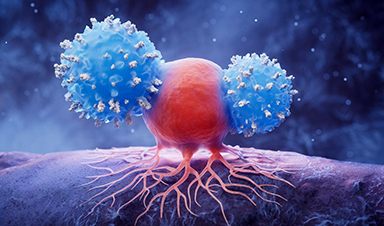
Cancer’s Hidden Antioxidant Shield Helps It Escape the Immune System
Blocking an antioxidant protein that tumors use to suppress immune attacks improved cancer immunotherapy responses in mice. Cancer cells can release antioxidants that interfere with the immune cells trying to kill them. Researchers have [...]

Scientists Find a Berry Compound That Helps Muscle Cells Burn Fat
Pterostilbene, a compound found naturally in some foods, affects how skeletal muscles process fats by stabilizing a protein called PPARδ and increasing its signaling activity. Pterostilbene, a natural compound found in blueberries, grapes, and [...]
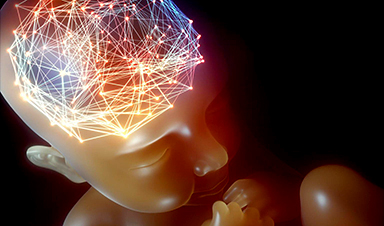
Two Hidden Forces Help Build the Human Brain Before Birth
Scientists have uncovered two surprising forces that help guide how the human brain forms before birth. Before birth, the human brain is shaped in large part by an unusual class of stem cells known [...]
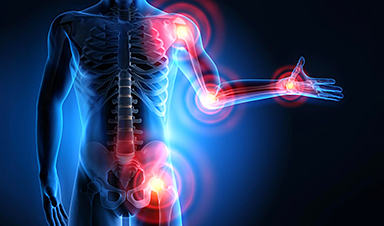
Researchers Uncover a Hidden Trigger Behind Chronic Inflammation
The findings offer new insights that could help guide the development of future therapies. A protein called human resistin may help flip on one of the immune system’s most powerful inflammatory switches. Researchers at [...]
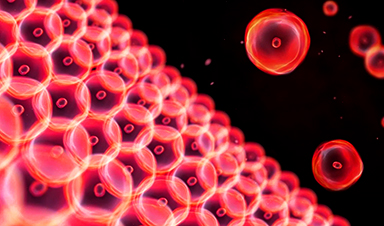
Scientists Have Uncovered Previously Hidden Microbial Activity on Human Skin
The most abundant microbes on your skin may not be the ones doing most of the work. Human skin supports vast communities of bacteria, fungi, and viruses that can influence its protective barrier, immune [...]
Brazilian Tree Compounds Fight COVID-19 on Multiple Fronts
Scientists found compounds in a Brazilian tree that hit SARS-CoV-2 on multiple fronts, revealing a promising new lead in the search for COVID-19 treatments. Researchers have found that galloylquinic acids extracted from the leaves [...]
[/fusion_text][/fusion_builder_column][/fusion_builder_row][/fusion_builder_container]