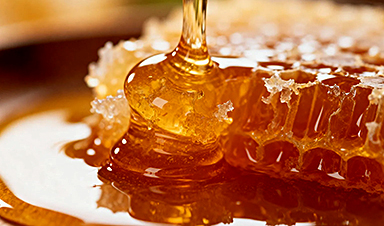
Honey’s medical uses may go beyond healing wounds, as laboratory experiments suggest multifloral honey could strengthen human skin cells’ defenses against damaging UV radiation.
Ultraviolet (UV) radiation from sunlight can accelerate skin aging and place cells under stress, potentially contributing to damage that precedes skin cancer. As scientists explore ways to better protect the skin, researchers in Italy are investigating whether multifloral honey could help human skin cells withstand UV exposure.
Honey is already valued in medicine and cosmetics for its antioxidant, antimicrobial, anti-inflammatory, and wound-healing properties. Sterile honey-based dressings, gels, and ointments are used to treat burns and difficult-to-heal wounds.
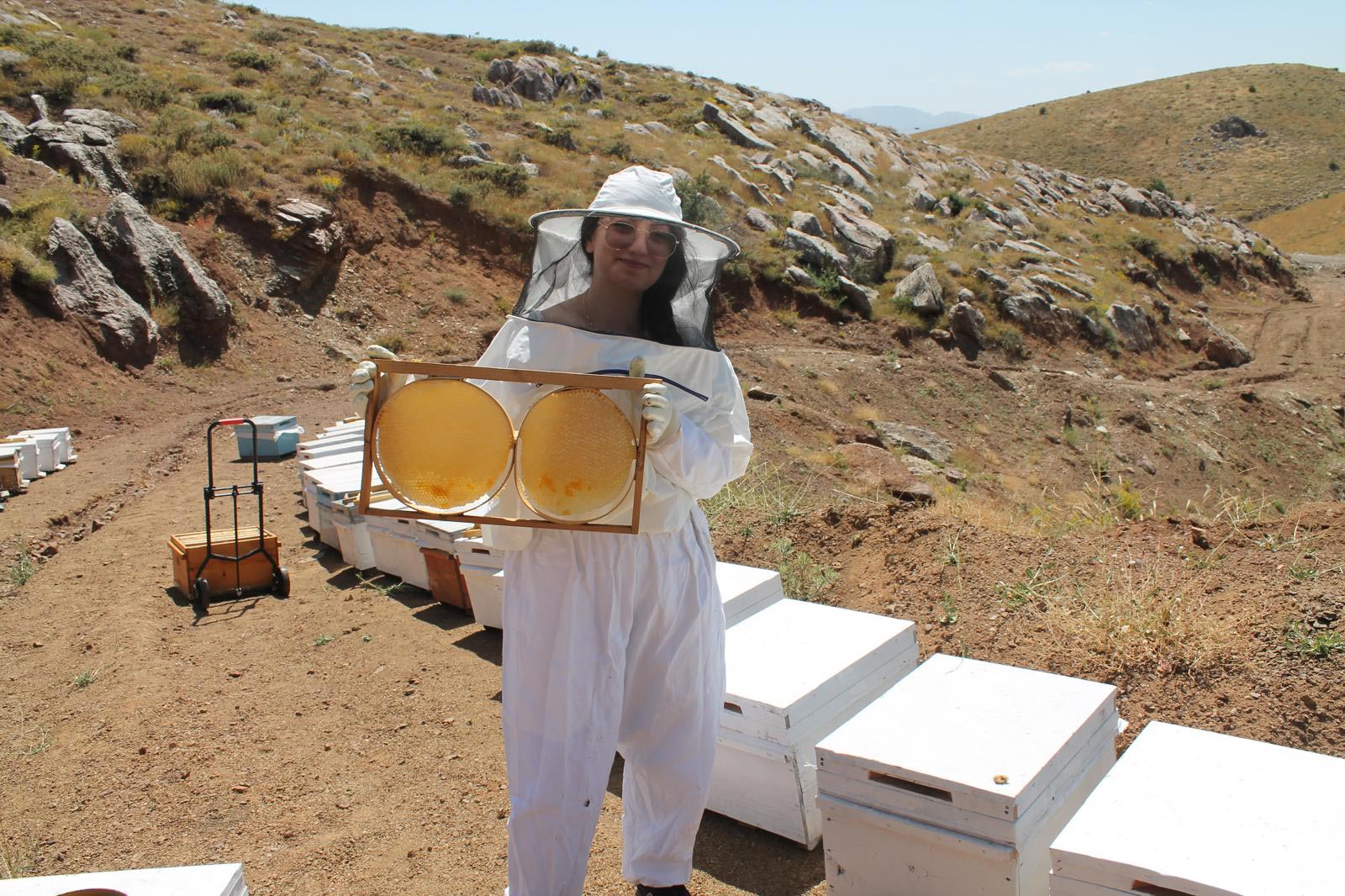
Dr. Fikiye Fulya Kavak, a member of Professor Margherita Maioli’s research team at the University of Sassari, Italy, drew inspiration from her background in medical biology and interests in beekeeping and cosmetic science.
“I have always been interested in the fact that certain honeys, such as Manuka honey, are used in medical-grade applications,” Kavak said. “This led me to ask whether high-quality multifloral honey could also show measurable protective effects for human skin cells.”
To investigate, the researchers grew human skin stem cells, fibroblasts, and keratinocytes together in a continuously flowing bioreactor designed to simulate conditions in human skin. Some cultures received a 1% multifloral honey treatment for 48 hours before UV exposure, while others remained untreated.
The team then compared how the cells responded to UV-induced stress. Using real-time quantitative PCR, they also measured the activity of selected genes involved in aging, stress responses, tissue renewal, and stemness, the ability of stem cells to reproduce themselves or develop into specialized cells.
Honey-treated cells show stronger defenses
The results suggested that honey pretreatment helped skin stem cells and fibroblasts regulate their responses to UV damage. “In skin stem cells, honey increased the expression of stemness-related markers, while reducing the expression of aging-associated genes,” Kavak said.
Honey-treated stem cells also released less nitric oxide and showed greater antioxidant capacity, suggesting improved defenses against UV-induced stress. Genetic analysis further revealed increased expression of stress-protection genes and changes in signals controlling cell proliferation and renewal.
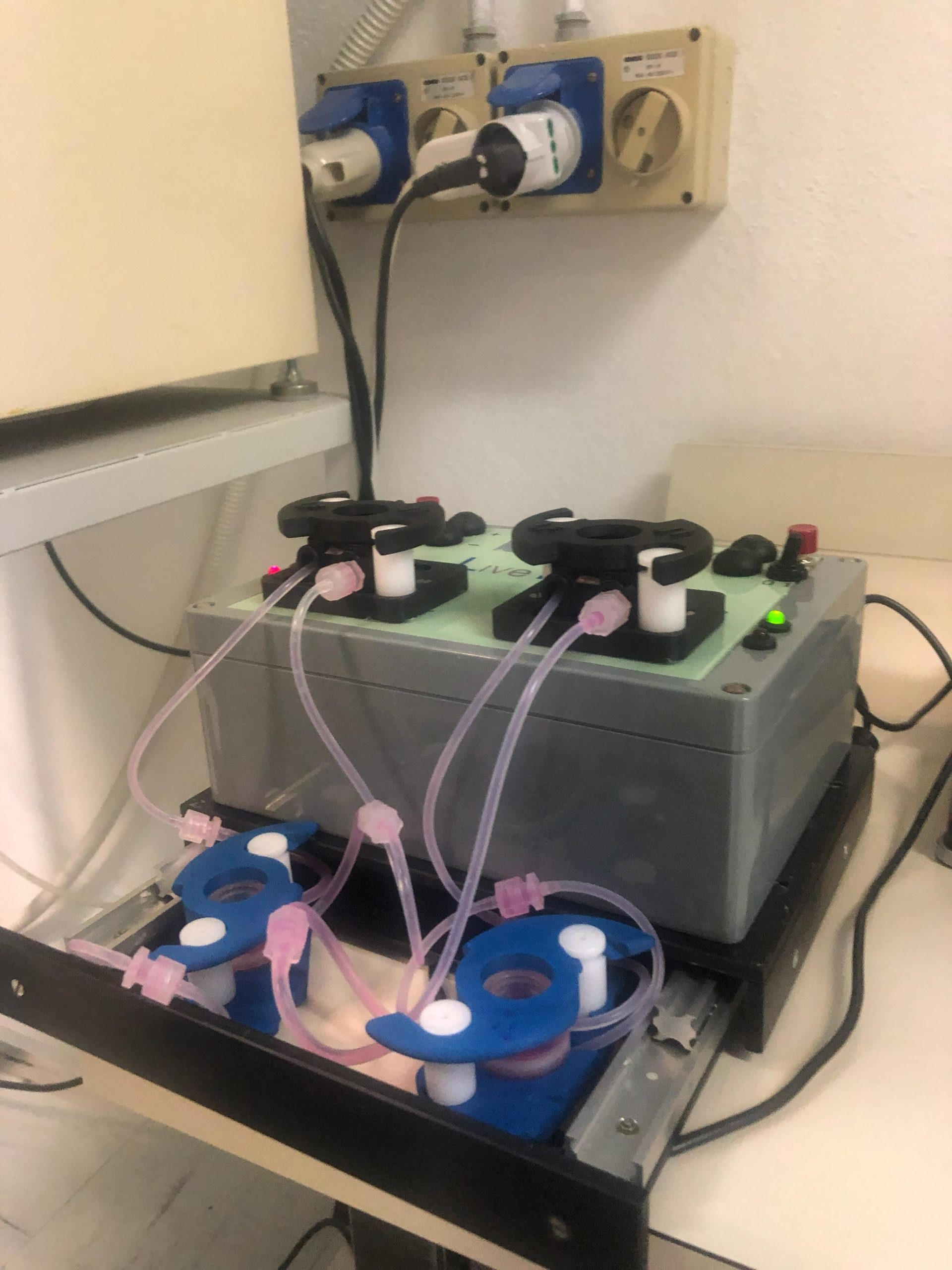
“What was particularly interesting was that honey seemed to help the cells find a healthier balance after UV stress,” Kavak said. “Rather than pushing the cells into an exaggerated repair response, it appeared to support protective mechanisms while keeping renewal-related signals under control.”
Honey is no substitute for sunscreen
The findings offer an early indication that multifloral honey could support skin protection, although the researchers have not established whether these effects occur in people.
“Our study was performed in cell-based experimental models, not in humans, so further laboratory, preclinical, and clinical studies are needed before any practical recommendation can be made,” Kavak said. Honey should therefore not be considered an alternative to sunscreen.
From cell signals to potential treatments
The team is now investigating the molecular mechanisms behind these responses. “We have been working on protein-level validation studies to confirm whether the molecular changes observed at the mRNA level are also reflected at the protein level,” Kavak said.
Researchers are also exploring a nanofiber-based system that could eventually deliver honey’s active compounds in a controlled, skin-compatible form for cosmetic or medical applications.
“These nanofibers have already been characterized, and their biological evaluation is currently ongoing,” Kavak said. “This represents an important next step, as nanofiber-based systems may provide a more advanced platform for studying the potential skin-related applications of natural bioactive compounds such as multifloral honey.”

News – Curated by Amanda Scott, Alias Group Creative
Follow her on Bluesky
Scientists Discover a Surprising New Power of Honey That Could Protect Your Skin
Honey’s medical uses may go beyond healing wounds, as laboratory experiments suggest multifloral honey could strengthen human skin cells’ defenses against damaging UV radiation. Ultraviolet (UV) radiation from sunlight can accelerate skin aging and [...]

Scientists Discover That Male and Female Hearts Age in Surprisingly Different Ways
A new study reveals surprising differences in how male and female hearts age at the cellular level. The heart may age very differently from one region to another. A detailed study of mouse hearts [...]
An Ancient Virus May Hold the Secret to What Makes the Human Brain Different
Could a virus that infected chimpanzees millions of years ago help explain how the human brain became different? Researchers at Lund University have discovered that ancient viral DNA embedded in the chimpanzee genome silences [...]
Could a Nasal Spray Stop Alzheimer’s Before Memory Loss Begins?
Protecting memory from Alzheimer’s may one day involve a nasal spray, with encouraging results in animals and evidence that its particles also protect human neurons grown in the lab. Alzheimer’s disease damages the connections [...]
A sceptical guide to AI agents in drug discovery
In conversation with Dr Eric Ma, Senior Principal Data Scientist at Moderna, Dr Raminderpal Singh examines what AI agents are actually good for, where the lock-in hides and why expertise has become more valuable [...]
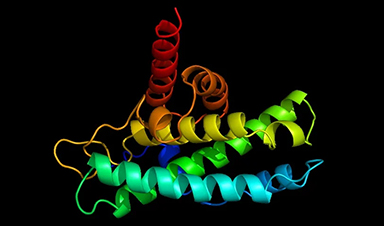
Study identifies new targets for antiviral drugs against coronaviruses
A study led by researchers at the University of California San Diego School of Medicine and University of California, Riverside (UCR) School of Medicine has identified new targets for antiviral drugs against coronaviruses, including [...]
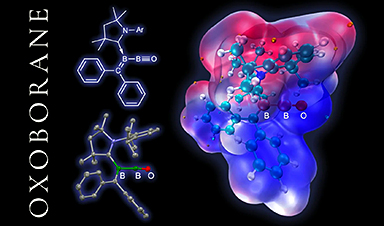
“Nearly Everybody Had Given Up” – Scientists Finally Solve a 60-Year Chemistry Mystery
After more than six decades of failed attempts, chemists have achieved a breakthrough involving a class of molecules long considered too unstable to isolate. Chemists have succeeded in isolating a group of molecules that [...]
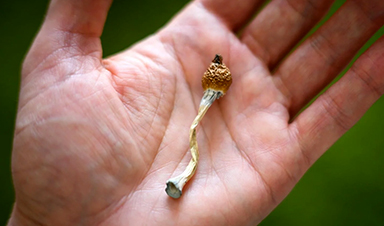
Depression Symptoms Improved in Just 48 Hours After a Single Psychedelic Dose
A single dose of psilocybin produced rapid antidepressant effects in a small Swedish clinical trial, with improvements lasting for weeks. A single dose of psilocybin, the psychedelic compound found in magic mushrooms, produced rapid [...]

GHCE Concept
From the preface of the book Global Health Care Equivalency in the Age of Nanotechnology, Nanomedicine and Artificial Intelligence, Edited by Frank Boehm: Since the publication of my first book (Nanomedical Device and Systems [...]

Human Bodies Are Producing Two Billion Tons of CO2 a Year
A new study reveals that the amount of carbon dioxide produced by human metabolism has increased dramatically over three decades. The carbon dioxide produced by human bodies as they convert food into energy increased [...]
A Hidden DNA Mechanism Could Explain How 20% of Human Cancers Develop
Researchers have identified an unexpected molecular vulnerability in cancers carrying BAF mutations. Mutations found in roughly 20% of human cancers may promote tumor growth by changing how DNA is organized inside cells. Researchers have [...]
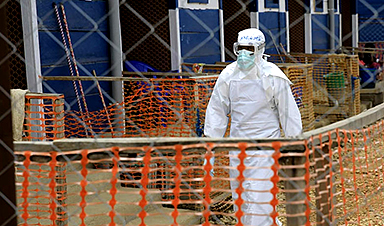
Ebola kills over 5,300 in fastest-growing outbreak on record
Africa’s latest Ebola outbreak has killed nearly 5,400 people, the vast majority of them in the Democratic Republic of Congo (DRC), according to the continent’s top health agency. Africa Centres for Disease Control and [...]
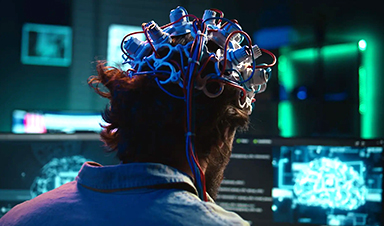
China makes early progress in using sound waves to stimulate damaged brains
Chinese researchers are testing whether focused ultrasound can help restore consciousness in patients with severe brain injuries, adding to a growing international effort to use sound waves to stimulate deep brain structures without surgery. [...]
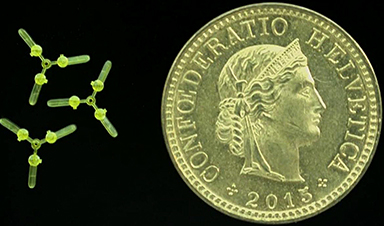
Micro-drones fly through the body thanks to ultrasound
At the EPFL, micro-drones have been developed that can be moved without a motor or battery.No motors, no batteries, no electronics on board, just small cavities that convert sound waves into thrust: this is [...]
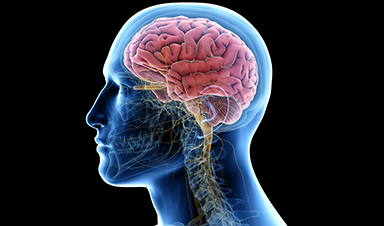
A Single Enzyme Could Hold the Key to Treating a Devastating Brain Disorder
Blocking an enzyme’s production restored brain growth and healthy behaviors in mice engineered to develop Angelman syndrome, pointing to a possible treatment target. Children with Angelman syndrome begin to show difficulties with thinking and [...]
Scientists Develop a Clever New Way To Kill Cancer Cells From the Inside
Scientists have developed an experimental strategy that exploits a chemical byproduct of cancer cells to produce anticancer drugs directly inside them. Scientists in Japan have developed an experimental method that uses a chemical produced [...]