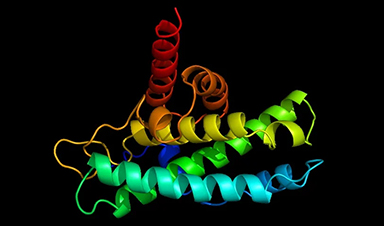
A study led by researchers at the University of California San Diego School of Medicine and University of California, Riverside (UCR) School of Medicine has identified new targets for antiviral drugs against coronaviruses, including SARS-CoV-2, the virus that causes COVID-19. These new targets could help scientists discover treatments that are less vulnerable to the rapid evolution of these viruses.
“There’s so much we don’t know about coronaviruses at a fundamental biological level, and everything we learn gives us more options when developing treatments,” said senior study author Gene Yeo, PhD, professor of cellular and molecular medicine at UC San Diego School of Medicine, director of the Center for RNA Technologies and Therapeutics and director of the Sanford Stem Cell Innovation Center. “If we want to stay ahead of these viruses, we have to understand them from the inside out.”
The research, published in Nature Communications, mapped previously unknown interactions between the RNA that makes up the SARS-CoV-2 genome and proteins involved in the virus’s replication and regulation. The team identified specific RNA binding sites for three proteins – primase cofactor (NSP8), RNA-dependent RNA polymerase (NSP12) and nucleocapsid (N) – and found that disrupting these interactions significantly reduced viral replication.
SARS-CoV-2 evolves very quickly, so it’s important to understand the really basic and essential machinery of the virus. If we target something essential that the virus depends on to function and can’t easily change, the virus is less likely to evolve away from it, which would lead to drug resistance.”
Joy Xiang, PhD, assistant professor of biomedical sciences, UCR School of Medicine
Current antiviral drugs already illustrate the value of targeting essential viral machinery. Remdesivir targets the enzyme that copies the virus’s RNA genome, while nirmatrelvir targets viral proteins involved in processing the long protein chains produced during infection.
The researchers used a technique known as enhanced cross-linking and immunoprecipitation, or eCLIP, to survey the viral genome and determine where viral proteins interact with RNA. Rather than examining only regions previously predicted to be important, this approach allowed the researchers to map interactions across the whole genome and identify unexpected sites.
One finding involved the N protein and a region at the beginning of the viral genome known as the 5′ untranslated region. This region contains a complex RNA structure that is present in many coronaviruses, but whose precise functions are not fully understood. The researchers found that its interaction with the N protein appears to regulate translation, an essential process in which RNA is used to make proteins.
The researchers also identified a previously unknown interaction involving NSP12 and the RNA encoding viral protein NSP3. This finding suggests that viral RNA may play regulatory roles beyond simply serving as a template for producing proteins.
“Viruses look simpler than humans at first glance, but there’s a lot of underlying complexity to their molecular biology we’re only just beginning to unravel,” said Yeo. “Our findings suggest that viral RNA may have a more significant role in regulating fundamental cellular processes than we previously understood.”
The researchers next tested whether the newly identified regions could be disrupted using locked nucleic acids (LNAs) – short, modified nucleic acid sequences designed to bind specific regions of RNA, blocking these regions from interacting with proteins. Blocking the interaction sites significantly reduced viral replication in animal cells.
The team found similar results in human lung cells, providing additional evidence that the interactions could be relevant to human infection. Their findings suggest that targeting conserved viral processes can work across diverse cells, organs, and host organisms, which is a crucial factor in preparing for future viral pandemics, which often begin when a virus jumps from animals to humans.
The research also points toward the possibility of developing treatments that could work against multiple coronaviruses. Because some of the proteins and RNA sequences involved in these viral life cycle processes are conserved among coronaviruses, targeting them could be less dependent on the emergence of individual viral variants.
“The goal is to understand these core interactions so that, eventually, drug developers can develop therapies that specifically target them,” Xiang said.
According to the researchers, the broader significance of the research also extends beyond COVID-19 and the development of a single drug.
“We need to understand the fundamental biology of these viruses instead of just being reactive to outbreaks,” Xiang said. “There’s value in studying these biological differences, because that understanding can give us new opportunities to develop better treatments.”
Xiang, J. S., et al. (2026). Genome-scale eCLIP mapping of SARS-CoV-2 RNA interactions with NSP8, NSP12, and N reveals regulatory sites. Nature Communications. DOI: 10.1038/s41467-026-78788-z. https://www.nature.com/articles/s41467-026-78788-z

News – Curated by Amanda Scott, Alias Group Creative
Follow her on Bluesky
Study identifies new targets for antiviral drugs against coronaviruses
A study led by researchers at the University of California San Diego School of Medicine and University of California, Riverside (UCR) School of Medicine has identified new targets for antiviral drugs against coronaviruses, including [...]
“Nearly Everybody Had Given Up” – Scientists Finally Solve a 60-Year Chemistry Mystery
After more than six decades of failed attempts, chemists have achieved a breakthrough involving a class of molecules long considered too unstable to isolate. Chemists have succeeded in isolating a group of molecules that [...]

Depression Symptoms Improved in Just 48 Hours After a Single Psychedelic Dose
A single dose of psilocybin produced rapid antidepressant effects in a small Swedish clinical trial, with improvements lasting for weeks. A single dose of psilocybin, the psychedelic compound found in magic mushrooms, produced rapid [...]

GHCE Concept
From the preface of the book Global Health Care Equivalency in the Age of Nanotechnology, Nanomedicine and Artificial Intelligence, Edited by Frank Boehm: Since the publication of my first book (Nanomedical Device and Systems [...]

Human Bodies Are Producing Two Billion Tons of CO2 a Year
A new study reveals that the amount of carbon dioxide produced by human metabolism has increased dramatically over three decades. The carbon dioxide produced by human bodies as they convert food into energy increased [...]
A Hidden DNA Mechanism Could Explain How 20% of Human Cancers Develop
Researchers have identified an unexpected molecular vulnerability in cancers carrying BAF mutations. Mutations found in roughly 20% of human cancers may promote tumor growth by changing how DNA is organized inside cells. Researchers have [...]
Ebola kills over 5,300 in fastest-growing outbreak on record
Africa’s latest Ebola outbreak has killed nearly 5,400 people, the vast majority of them in the Democratic Republic of Congo (DRC), according to the continent’s top health agency. Africa Centres for Disease Control and [...]
China makes early progress in using sound waves to stimulate damaged brains
Chinese researchers are testing whether focused ultrasound can help restore consciousness in patients with severe brain injuries, adding to a growing international effort to use sound waves to stimulate deep brain structures without surgery. [...]
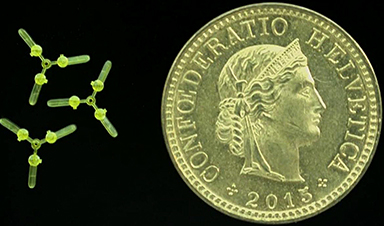
Micro-drones fly through the body thanks to ultrasound
At the EPFL, micro-drones have been developed that can be moved without a motor or battery.No motors, no batteries, no electronics on board, just small cavities that convert sound waves into thrust: this is [...]
A Single Enzyme Could Hold the Key to Treating a Devastating Brain Disorder
Blocking an enzyme’s production restored brain growth and healthy behaviors in mice engineered to develop Angelman syndrome, pointing to a possible treatment target. Children with Angelman syndrome begin to show difficulties with thinking and [...]

Scientists Develop a Clever New Way To Kill Cancer Cells From the Inside
Scientists have developed an experimental strategy that exploits a chemical byproduct of cancer cells to produce anticancer drugs directly inside them. Scientists in Japan have developed an experimental method that uses a chemical produced [...]
Our books are available worldwide!
Online Sellers other than Amazon, Routledge, and IOPP Indigo Global Health Care Equivalency in the Age of Nanotechnology, Nanomedicine and Artifcial Intelligence Global Health Care Equivalency In The Age Of Nanotechnology, Nanomedicine And Artificial [...]

After only a short training, people in a coma managed to send targeted signals
Researchers have succeeded in communicating with brain-injured patients who are unconscious. They see enormous potential in this for future treatments. Patients who lie motionless in bed after a severe brain injury and do not [...]
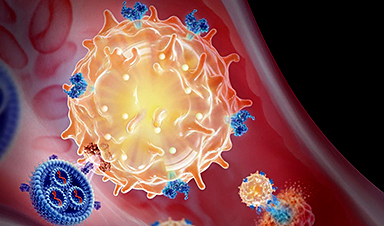
MIT Scientists Reprogram Immune Cells Inside the Body To Destroy Cancer
Natural killer cells reprogrammed inside mice eliminated lymphoma tumors and helped damaged livers heal, though whether this approach could help people with cancer or autoimmune disease remains unknown. To make a cancer treatment from [...]

Melanoma mRNA Vaccine Shows Promise in Preventing Disease Recurrence
Key takeaways: Phase 3 trial finds personalized intismeran plus pembrolizumab may better prevent high-risk melanoma recurrence after surgery The trial enrolled 1,137 patients and builds on phase 2 results showing about half the recurrence [...]
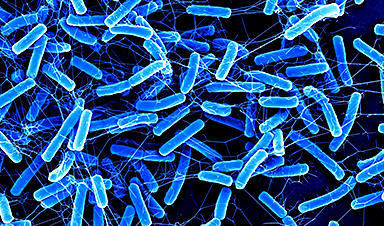
Scientists Discover a Powerful New Weapon Against a Dangerous Gut Infection
The promise of an experimental treatment for C. difficile gut infections lies partly in the bacteria it leaves alive, according to early laboratory and mouse research. Broad-spectrum antibiotics can disrupt the gut’s microbial community, [...]