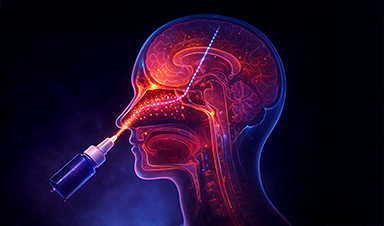
Protecting memory from Alzheimer’s may one day involve a nasal spray, with encouraging results in animals and evidence that its particles also protect human neurons grown in the lab.
Alzheimer’s disease damages the connections that allow brain cells to communicate, threatening memory. A nasal spray containing tiny particles naturally released by cells has helped protect those connections in an animal model of the disease. The treatment both prevented memory deficits and countered cognitive decline after it had begun.
The particles, called extracellular vesicles, are small packages that cells release into their surroundings. Those used in this study came from cells of the amniotic membrane, the tissue lining the sac that surrounds a developing fetus. Researchers at the Università Cattolica del Sacro Cuore, Fondazione Policlinico Universitario A. Gemelli IRCCS, and the E. Menni Research Center of Fondazione Poliambulanza reported the findings in Translational Neurodegeneration.
When administered through the nose to animals that mimic features of Alzheimer’s disease, the vesicles reached the hippocampus, a brain region crucial for memory and particularly vulnerable to the disease. There, they entered both neurons and microglia, cells that monitor conditions in the brain and help defend it. The treatment counteracted neuroinflammation and protected neuronal function, particularly at synapses, the connections through which nerve cells transmit information. These effects were accompanied by a significant improvement in cognitive abilities.
From placental cells to brain protection
The choice of amniotic membrane cells grew out of years of placental research by Professor Ornella Parolini, a full professor of applied biology and scientific director of IRCCS Ospedale “Casa Sollievo della sofferenza.” Her work has focused on these cells and the substances they release, collectively known as the secretome, investigating their protective and regenerative effects in various experimental models. The E. Menni Research Center, led by Parolini, contributed expertise in isolating and characterizing the cells and identifying the molecules they produce.
The research combined the expertise of Professor Claudio Grassi, whose team at the Università Cattolica studies brain inflammation and plasticity, with work by Professor Salvatore Fusco on the vesicles’ effects in the brain. Lead authors Dr. Andrea Papait and Dr. Francesca Natale helped connect these findings, investigating how amniotic extracellular vesicles influence brain inflammation, neuronal function, and memory.
The findings also suggest that effective Alzheimer’s treatments may need to address more than the buildup of harmful proteins in the brain.
Professor Fusco explains: “The study suggests the need to direct research into Alzheimer’s therapies by focusing not only on counteracting the accumulation of toxic compounds like beta-amyloid and tau, but also by paying close attention to the cellular environment in which neurons live (e.g., microglia and astrocytes) and the molecular signals (e.g., cytokines or microRNAs) exchanged by these cells, which can influence synapse function.”
Protection extends to laboratory-grown human neurons
To investigate the protective effects in human cells, researchers used skin biopsies collected from patients with Alzheimer’s disease and healthy individuals at the Policlinico’s Memory Clinic. From those samples, they generated pluripotent stem cells, which can develop into different cell types, and then used those cells to produce human neurons.
The vesicles also showed protective effects in these laboratory-grown neurons, extending the evidence to experimental human models and giving the study a closer connection to patients.
Professor Grassi emphasizes that the findings are encouraging but still preliminary.
“These are preclinical results that require further validation in humans and do not yet represent an available therapy for Alzheimer’s disease, but they point to a very promising direction: understanding whether some of the mechanisms through which the placenta naturally regulates inflammation and protects tissues could offer new tools for the treatment of neurodegenerative diseases and, more generally, whether the use of extracellular vesicles represents a new frontier for the treatment of neurological diseases.”
Reference: “Human amniotic mesenchymal stromal cell-derived extracellular vesicles reprogram microglia and prevent neurodegeneration in experimental models of Alzheimer’s disease” by Andrea Papait, Francesca Natale, Antonietta Rosa Silini, Ida Nifo Sarrapochiello, Elisa Orecchini, Raimondo Sollazzo, Marco Rinaudo, Serafina Farigu, Nicoletta Garofalo, Giulia Mantini, Guido Maria Giuffrè, Pietro Romele, Elvira Ragozzino, Alice Dellaria, Luciano Giacò, Camillo Marra, Cristian Ripoli, Claudio Grassi, Ornella Parolini and Salvatore Fusco, 9 September 2026, Translational neurodegeneration.
DOI: 10.1186/s40035-026-00581-1

News – Curated by Amanda Scott, Alias Group Creative
Follow her on Bluesky
Could a Nasal Spray Stop Alzheimer’s Before Memory Loss Begins?
Protecting memory from Alzheimer’s may one day involve a nasal spray, with encouraging results in animals and evidence that its particles also protect human neurons grown in the lab. Alzheimer’s disease damages the connections [...]

A sceptical guide to AI agents in drug discovery
In conversation with Dr Eric Ma, Senior Principal Data Scientist at Moderna, Dr Raminderpal Singh examines what AI agents are actually good for, where the lock-in hides and why expertise has become more valuable [...]
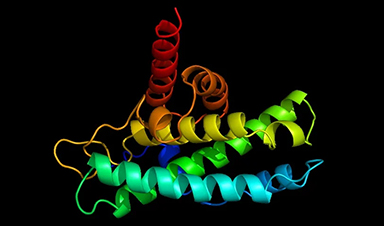
Study identifies new targets for antiviral drugs against coronaviruses
A study led by researchers at the University of California San Diego School of Medicine and University of California, Riverside (UCR) School of Medicine has identified new targets for antiviral drugs against coronaviruses, including [...]
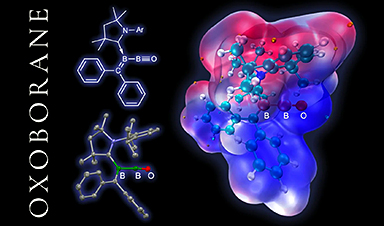
“Nearly Everybody Had Given Up” – Scientists Finally Solve a 60-Year Chemistry Mystery
After more than six decades of failed attempts, chemists have achieved a breakthrough involving a class of molecules long considered too unstable to isolate. Chemists have succeeded in isolating a group of molecules that [...]

Depression Symptoms Improved in Just 48 Hours After a Single Psychedelic Dose
A single dose of psilocybin produced rapid antidepressant effects in a small Swedish clinical trial, with improvements lasting for weeks. A single dose of psilocybin, the psychedelic compound found in magic mushrooms, produced rapid [...]
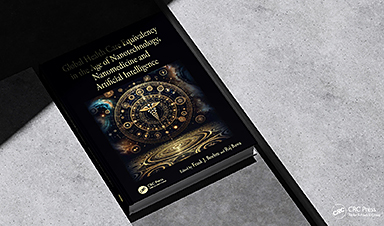
GHCE Concept
From the preface of the book Global Health Care Equivalency in the Age of Nanotechnology, Nanomedicine and Artificial Intelligence, Edited by Frank Boehm: Since the publication of my first book (Nanomedical Device and Systems [...]

Human Bodies Are Producing Two Billion Tons of CO2 a Year
A new study reveals that the amount of carbon dioxide produced by human metabolism has increased dramatically over three decades. The carbon dioxide produced by human bodies as they convert food into energy increased [...]
A Hidden DNA Mechanism Could Explain How 20% of Human Cancers Develop
Researchers have identified an unexpected molecular vulnerability in cancers carrying BAF mutations. Mutations found in roughly 20% of human cancers may promote tumor growth by changing how DNA is organized inside cells. Researchers have [...]

Ebola kills over 5,300 in fastest-growing outbreak on record
Africa’s latest Ebola outbreak has killed nearly 5,400 people, the vast majority of them in the Democratic Republic of Congo (DRC), according to the continent’s top health agency. Africa Centres for Disease Control and [...]
China makes early progress in using sound waves to stimulate damaged brains
Chinese researchers are testing whether focused ultrasound can help restore consciousness in patients with severe brain injuries, adding to a growing international effort to use sound waves to stimulate deep brain structures without surgery. [...]
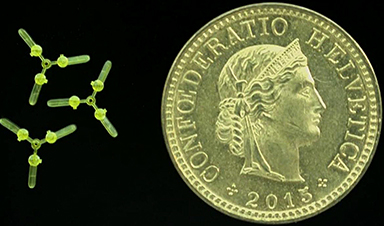
Micro-drones fly through the body thanks to ultrasound
At the EPFL, micro-drones have been developed that can be moved without a motor or battery.No motors, no batteries, no electronics on board, just small cavities that convert sound waves into thrust: this is [...]
A Single Enzyme Could Hold the Key to Treating a Devastating Brain Disorder
Blocking an enzyme’s production restored brain growth and healthy behaviors in mice engineered to develop Angelman syndrome, pointing to a possible treatment target. Children with Angelman syndrome begin to show difficulties with thinking and [...]

Scientists Develop a Clever New Way To Kill Cancer Cells From the Inside
Scientists have developed an experimental strategy that exploits a chemical byproduct of cancer cells to produce anticancer drugs directly inside them. Scientists in Japan have developed an experimental method that uses a chemical produced [...]
Our books are available worldwide!
Online Sellers other than Amazon, Routledge, and IOPP Indigo Global Health Care Equivalency in the Age of Nanotechnology, Nanomedicine and Artifcial Intelligence Global Health Care Equivalency In The Age Of Nanotechnology, Nanomedicine And Artificial [...]

After only a short training, people in a coma managed to send targeted signals
Researchers have succeeded in communicating with brain-injured patients who are unconscious. They see enormous potential in this for future treatments. Patients who lie motionless in bed after a severe brain injury and do not [...]
MIT Scientists Reprogram Immune Cells Inside the Body To Destroy Cancer
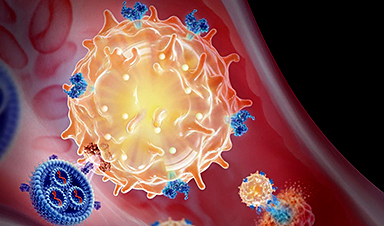
Natural killer cells reprogrammed inside mice eliminated lymphoma tumors and helped damaged livers heal, though whether this approach could help people with cancer or autoimmune disease remains unknown. To make a cancer treatment from [...]