A multidisciplinary team at the University of Miami Miller School of Medicine has developed a breakthrough nanodrug platform that may prove beneficial for rapid, targeted therapeutic hypothermia after traumatic brain injury (TBI).
Their work, published in ACS Applied Materials & Interfaces, demonstrates that intranasal nanovanilloids can lower brain temperature by 2.0° C to 3.6° C for up to three hours in pre-clinical models. The results offer a promising new approach for protecting the brain at the point of injury.

“This work exemplifies how nanotechnology and neuroscience principles can be applied together to create therapeutic solutions for critical medical problems that have the potential of saving human lives,” said Sylvia Daunert, Ph.D., Lucille P. Markey Chair in Biochemistry and Molecular Biology and director at the Dr. John T. Macdonald Foundation Biomedical Nanotechnology Institute (BioNIUM), one of the study’s lead investigators.
Study Overview: From Chemistry to Clinical Potential
Vanilloids are natural compounds that activate the TRPV1 receptor, which is involved in pain, inflammation and body temperature regulation. The Miller School researchers created nanovanilloids using three cooling compounds: rinvanil, arvanil and olvanil. They used a special process that mixes the drug in alcohol with water while applying sound waves, which helps the particles form and stay evenly sized. Tests showed these particles are very small (all smaller than 200 nanometers), consistent in size and can stay stable for a long time at room temperature.
Importantly, these particles don’t need any extra carriers or coatings. The drug itself forms the particle. This means more medicine can be delivered safely and easily through the nose to reach the brain in a faster and more targeted manner.
The team checked if the nanovanilloids were safe for cells and didn’t cause stress or damage. They found that the particles didn’t harm cell health or increase stress levels. To make sure the nanovanilloid drugs worked as intended, they ran tests showing that the particles activated the target receptor, TRPV1, which is needed to trigger cooling in the brain.
Why the intranasal route?
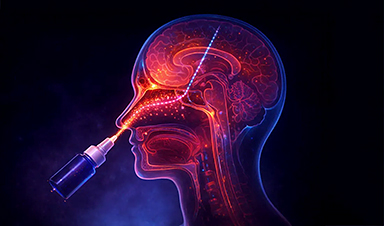
Delivering the medicine through the nose lets it reach the brain quickly and avoids being filtered out by the body’s usual barriers. This means the treatment works faster and needs a smaller dose compared to giving it through an IV. The research team used a custom designed, 3D-printed spray nozzle to make sure the nanodrug was spread evenly and gently inside the nose.
The researchers also pointed out that similar nasal spray devices are already used for other brain medicines. These devices can be made safely and consistently by following standard manufacturing and quality controls.

Using the device, the team administered nanovanilloids and found:
• Nano-olvanil reduced head temperature by about 2 °C for more than 100 minutes for pre-clinical models with no injury.
• Nano-rinvanil achieved a 3.6 °C drop in brain temperature in pre-clinical models with moderate TBI, with core body temperature remaining stable. That indicated targeted brain cooling, and researchers confirmed no liver or kidney toxicity.
Implications for Patient Care
• Prehospital neuroprotection: Enables rapid brain cooling at the scene or during transport for TBI, spinal cord injury, stroke or heat-related illness.
• Targeted therapy: Localized cooling minimizes systemic side effects, a major limitation of traditional hypothermia methods.
• Scalable platform: The carrier-free nano-assembly approach can be adapted for other hydrophobic drugs, broadening its impact on acute neurological care.
“This approach offers a new pathway to protect the brain during the most critical window, with the potential to improve survival and recovery for patients,” said lead investigator Helen Bramlett, Ph.D., professor of neurological surgery at the Miller School and The Miami Project to Cure Paralysis.
Next Steps
The Miller School researchers plan to advance this technology toward clinical translation, including dose optimization, device compatibility and human factors testing. Their work sets the stage for innovative, patient-first neuroprotection strategies that could be deployed outside hospital settings.

“In my opinion, these results mark one of the most important technological developments in therapeutic hypothermia and targeted temperature management research over the past 30 years,” said W. Dalton Dietrich, Ph.D., scientific director of The Miami Project and professor of neurological surgery and senior associate dean for team science at the Miller School.
“It is important to highlight that the developed technology stems from a team science approach, and that without a multidisciplinary team of scientists, complex problems like this cannot be solved,” Dr. Daunert said.
The Miller School Research Team
The research team was led by Dr. Daunert, Dr. Dietrich, Dr. Bramlett and Sapna Deo, Ph.D., professor of biochemistry and molecular biology at the Miller School.


Other key contributors included:
• Emre Dikici, Ph.D., senior scientist and director of the Bionanotechnology Laboratory
• Alexia Kafkoutsou, a Ph.D. candidate in the Department of Biochemistry and Molecular Biology
• Jorge David Tovar, a Ph.D. candidate in the Department of Biochemistry and Molecular Biology
• Juliana Sànchez, M.D., assistant scientist at the Miami Project to Cure Paralysis

News
AI to antibody in days: breaking the wet lab bottleneck via high-throughput integration
The role of artificial intelligence (AI) in drug design has fundamentally shifted from a speculative tool to a central pillar of pharmaceutical research and development (R&D). Sino Biological plays a critical role in this [...]

Regenerative Healthcare by Design: Engineering Health-Centric Buildings and Urban Ecosystems
Introduction The next evolution of healthcare will not be confined to hospitals, clinics, or episodic interventions—it will be embedded into the infrastructure of everyday life. Regenerative health ecosystems require a systemic re-architecture of how [...]

Scientists Warn: Humanity Has Pushed the Planet Past Its Limits
Human population and consumption have surpassed Earth’s limits, increasing risks to climate and global stability. The Earth is already operating beyond its capacity to sustainably support the global population, according to new research highlighting [...]
Breakthrough Study Reveals Why Damaged Nerves Struggle To Heal
A newly identified molecular mechanism reveals how neurons weigh survival against repair after injury. Scientists at the Icahn School of Medicine at Mount Sinai have identified a molecular switch in neurons that limits the regrowth of [...]
Popular Vitamin B3 Supplements May Help Cancer Cells Survive, Scientists Warn
A new study raises important questions about widely used NAD+ supplements, suggesting that compounds often taken to boost energy and support healthy aging may have unintended consequences in cancer treatment. Millions of Americans take [...]
Scientists Discover Cancer Tumors Are “Addicted” to This Common Antioxidant
Cancer cells may be exploiting a common antioxidant as fuel, revealing a potential weakness that future therapies could target. Cancer cells may be tapping into an unexpected energy source: an antioxidant long associated with [...]
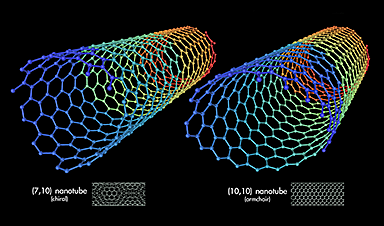
Nanotube injector transfers cytoplasmic contents and organelles between living cells safely
Cells are not isolated units; they continuously exchange proteins, genetic material, and even entire organelles with their neighbors. Intercellular transfer influences how tissues develop, respond to stress, and repair damage. In certain cancers, for [...]

CEO of America’s largest public hospital system is ready to replace radiologists with AI
The chief executive of America’s largest public hospital system says he is prepared to start replacing radiologists with artificial intelligence in some circumstances, once the regulatory landscape catches up. Mitchell H. Katz, MD, president [...]
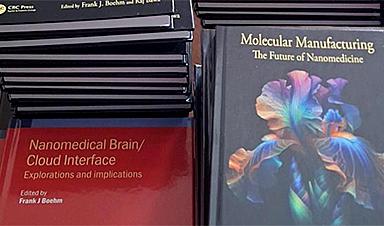
Our books now available worldwide!
Online Sellers other than Amazon, Routledge, and IOPP Indigo Global Health Care Equivalency in the Age of Nanotechnology, Nanomedicine and Artifcial Intelligence Global Health Care Equivalency In The Age Of Nanotechnology, Nanomedicine And Artificial [...]

Study finds higher heart disease risk in long COVID patients
People with long COVID are at increased risk of developing cardiovascular disease, according to a new study from Karolinska Institutet published in eClinicalMedicine. The results show that the risk of conditions such as cardiac arrhythmias [...]
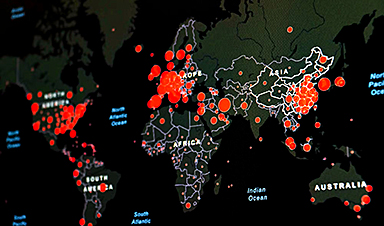
The Corona variant Cicada is here – we know that
Online and on social media, reports are piling up about a new Sars-Cov-2 variant that is currently on the rise: BA.3.2, also known as Cicada. That's what it's all about: The Omicron variant BA.3.2, [...]

A Simple Blood Test Could Predict Dementia Risk 25 Years Early
A single blood marker may quietly signal dementia risk decades in advance. Scientists at the University of California, San Diego, have identified a blood signal that could forecast dementia risk decades before symptoms begin. Their [...]

Sperm Get Lost in Space and Scientists Finally Know Why
Having a baby in space may be far more complicated than expected, as new research shows sperm struggle to find their way in microgravity. Starting a family beyond Earth could be more complicated than [...]
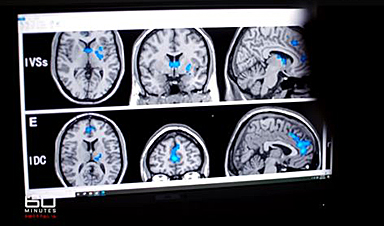
Digital Dementia – Brain fog and disassociation from being chronically online
New medical evidence, featured on 60 Minutes Australia, indicates excessive screen time is causing "digital dementia" in young Australians, with brain scans showing physical shrinkage and damage. Experts warn that high device usage (6-8 hours [...]

A new, highly mutated COVID variant called ‘Cicada’ is spreading in the US.
BA.3.2, a heavily mutated new COVID-19 variant which may be better able to escape immunity from vaccines or prior infection, is now spreading in the United States. Although COVID cases are currently low nationally, [...]
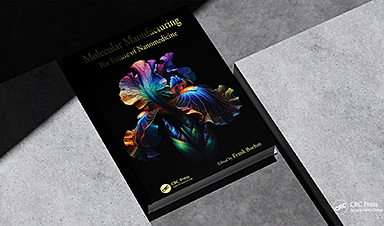
Molecular Manufacturing: The Future of Nanomedicine – New book from NanoappsMedical Inc.
This book explores the revolutionary potential of atomically precise manufacturing technologies to transform global healthcare, as well as practically every other sector across society. This forward-thinking volume examines how envisaged Factory@Home systems might enable the cost-effective [...]