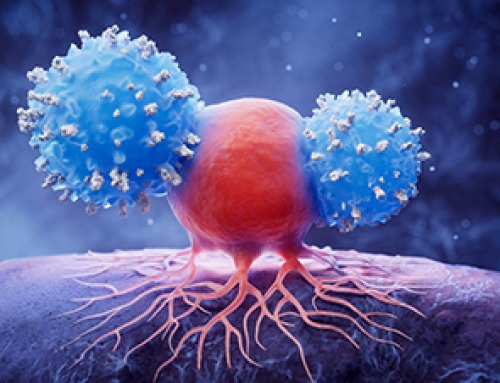
Researchers have resolved a 50-year-old scientific mystery by identifying the molecular mechanism that allows tissues to regenerate after severe damage. The discovery could help guide future treatments aimed at reducing the risk of cancer returning.
Many tissues in the body, including the skin and other epithelial layers that line organs, have a remarkable ability to recover after severe damage. Instead of simply breaking down, they can trigger a surge of new cell growth that restores lost tissue.
This process, known as compensatory proliferation, was first identified in the 1970s, when researchers observed that fly larvae could regrow fully functional wings after their epithelial tissue had been heavily damaged by high-dose radiation. Since then, similar regenerative responses have been observed across a wide range of species, including humans, although the underlying molecular mechanisms were not well understood.
When cell death fuels recovery
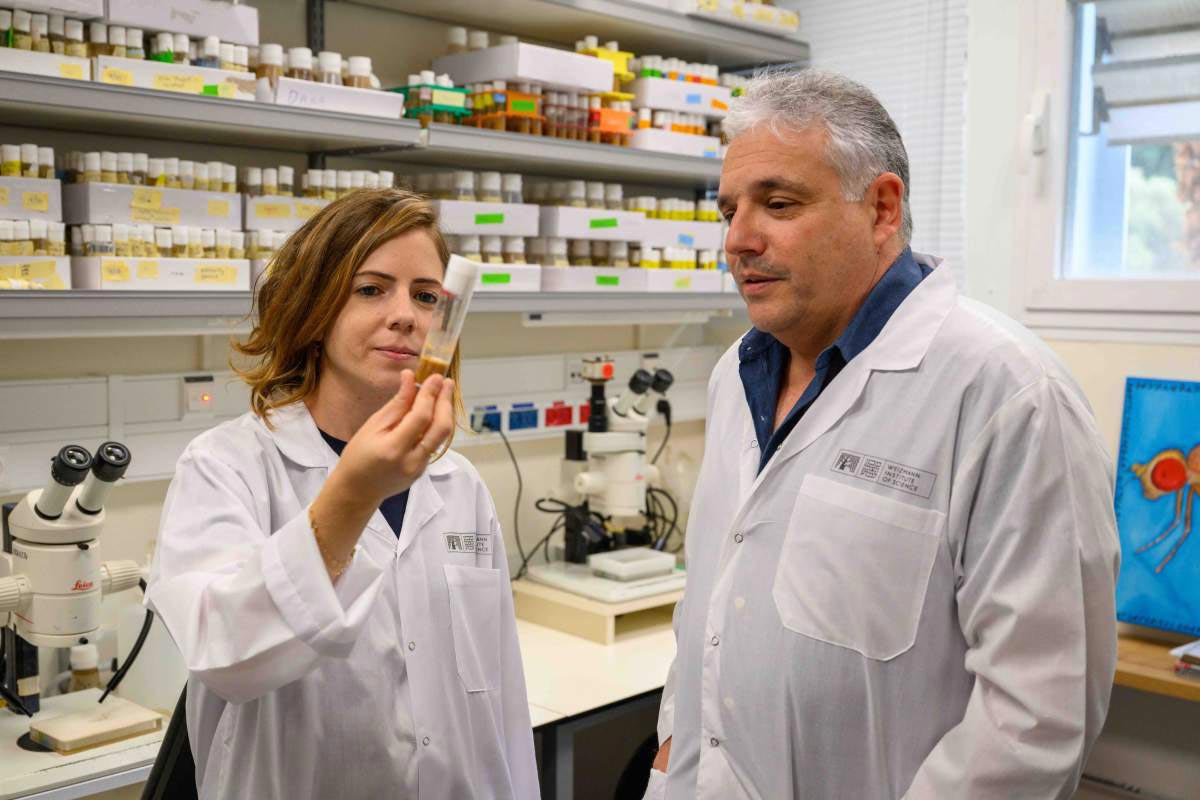
New research from the Weizmann Institute of Science, published in Nature Communications, sheds light on how this regeneration occurs. The study shows that caspases, enzymes best known for driving cell death, can also help certain cells survive and support tissue repair. By doing so, these cells enable damaged tissue not only to regrow but, in some cases, to become more resistant to future stress.
The researchers also found a potential downside to this process. The same survival mechanism may be exploited by cancer cells, helping tumors return in a more aggressive and treatment-resistant form. Understanding this pathway could therefore inform new strategies to improve wound healing and reduce the risk of cancer relapse.
Over the past twenty years, research from many laboratories, including the group led by Prof. Eli Arama in the Molecular Genetics Department at Weizmann, has shown that caspases are involved in much more than cell death alone. They also contribute to essential processes that keep cells and tissues functioning. These findings led Arama, a pioneer in studying nonlethal roles of caspases, to suspect that these enzymes might also drive compensatory proliferation.
Cells that refuse to die
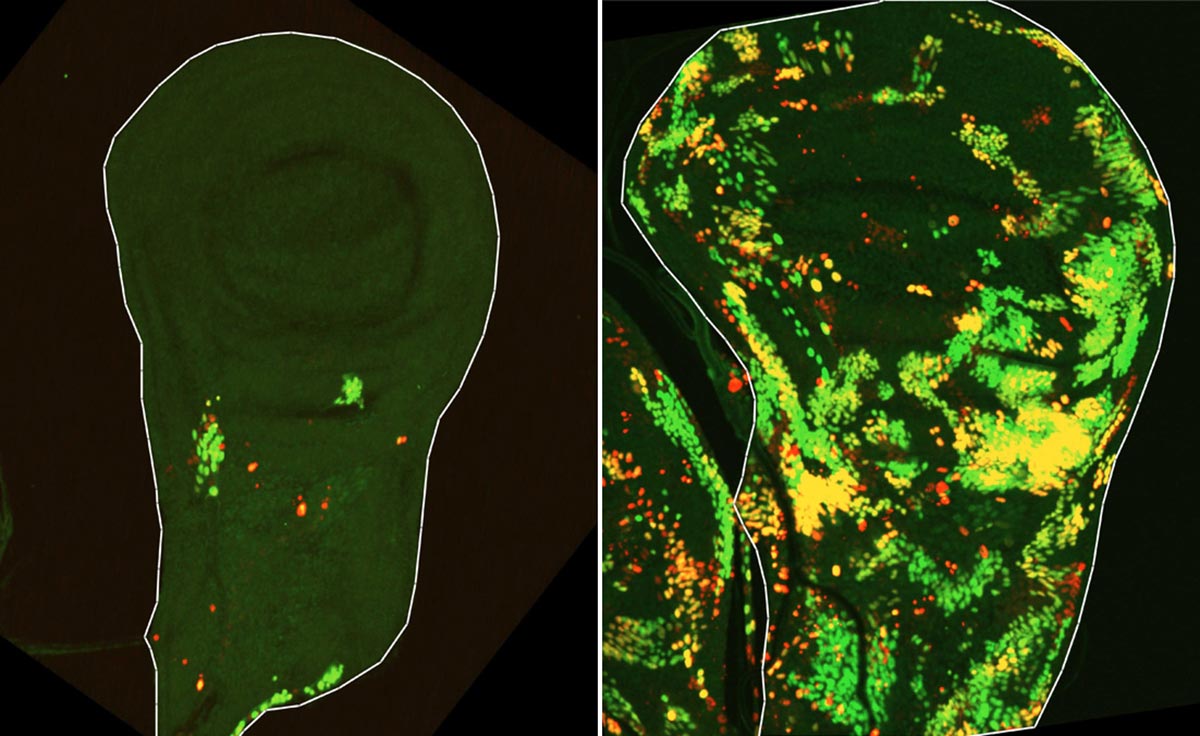
To test this idea, a team led by Dr. Tslil Braun in Arama's lab repeated the classic experiment that first revealed compensatory proliferation by exposing fruit fly larvae to ionizing radiation. This time, however, they used advanced genetic tools that made it possible to follow tissue regeneration in far greater detail.
"We set out to identify cells that push the self-destruct button but survive anyway," Braun explains. "To do this, we used a delayed sensor that reported on cells in which the initiator caspase had been activated but that nevertheless survived the irradiation. This is how we discovered a population of cells we named DARE cells. Not only did these cells survive the irradiation – they multiplied, repaired the damaged tissue, and replenished nearly half of it within 48 hours."
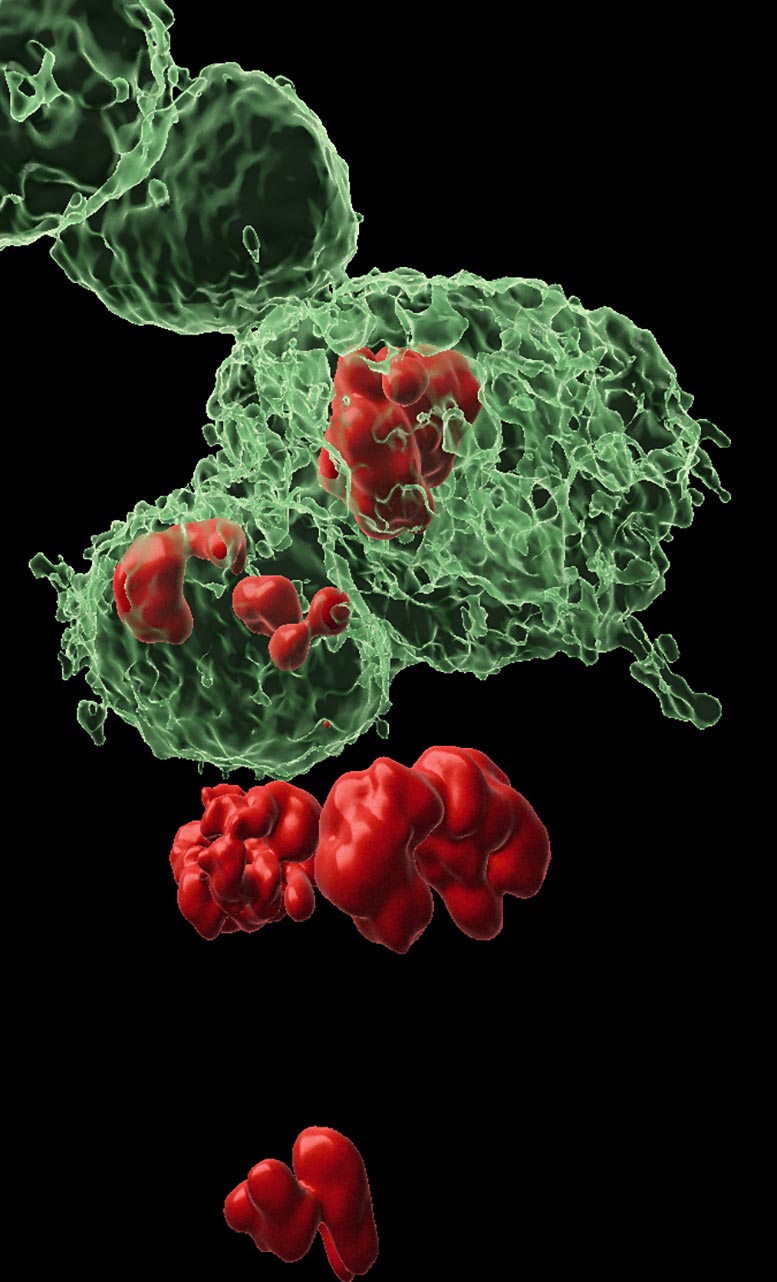
But the researchers also wanted to understand how the rest of the regenerating tissue contributed to this recovery.
Next, the researchers sought to decipher how DARE cells survive radiation doses that trigger apoptosis in neighboring cells.
"We observed that although the initiator caspase is activated in these cells, the cellular death process stops there and does not progress to the next stage," Arama explains. "We suspected that a protein known as a molecular motor was responsible for this – it can tether the initiator caspase to the cell membrane, preventing it from activating the executioner caspases. Indeed, when we silenced this motor protein, DARE cells proceeded to die and tissue regeneration was impaired. Overactivation of the same motor protein has previously been linked to cancerous tumor growth, which suggests that this might be one of the mechanisms that enables cancer cells to evade apoptosis."
How resistance becomes inherited
It is known that tumors that regrow after radiation therapy often become more aggressive and more resistant to treatment.
"We wanted to understand whether resistance to death is inherited by the descendants of death-resistant cells that survived the initial irradiation," Arama says. "We found that when the same tissue is irradiated a second time, the number of cells that die during the first few hours is half that seen after the first irradiation, and most of the dead cells belong to the NARE population. In other words, the descendants of DARE cells were found to be exceptionally resistant – seven times more resistant to cell death than cells in the original tissue. This may help explain why recurrent tumors become more resistant after radiation."
A delicate balance between tissue repair and excess growth is essential to any regenerative process. In the final part of their study, the researchers revealed how uncontrolled growth is prevented during tissue repair after injury. "DARE cells promote the growth of nearby NARE cells, apparently by secreting growth signals," Arama notes. "In turn, NARE cells secrete signals that inhibit the growth of DARE cells. In fact, we've discovered a negative-feedback loop between the two cell populations that prevents overgrowth."
Reference: "Apoptosis-resistant cells drive compensatory proliferation via cell-autonomous and non-autonomous functions of the initiator caspase Dronc" by Tslil Braun, Naama Afgin, Lena Sapozhnikov, Ehud Sivan, Andreas Bergmann, Luis Alberto Baena-Lopez, Keren Yacobi-Sharon and Eli Arama, 4 December 2025, Nature Communications.
DOI: 10.1038/s41467-025-65996-2
This research was supported by a grant from the Israel Science Foundation (grant No. 1378/24) and a grant from the European Research Council under the EU's Seventh Framework Program (FP/2007-2013)/ERC grant agreement (616088).

News

Back and shoulder surgery is often worse than useless
Millions of operations should be scrapped SIX IN TEN Britons have surgery at some point. So do lots of Americans, at a cost of perhaps $500bn a year, a third of all spending on [...]
Cocaine plays with mind, hijacks brain circuit, drives increasingly rigid and repetitive behavior
Researchers have found that cocaine hijacks brain circuit, which to drive increasingly rigid and repetitive behavior. The brain circuit that normally participates in selecting natural mouth and face movements, but which becomes disproportionately engaged [...]
Injectable nanodevices could provide effective treatment for drug-resistant glioblastoma
The brain cancer glioblastoma is one of the most aggressive and treatment-resistant cancers known to medicine, carrying a median survival of just 12-15 months, even with the best available care. Now, researchers at the [...]
New Treatment Cuts “Bad” Cholesterol in Half for a Full Year
A single infusion of an experimental CRISPR-Cas9 therapy was reported to safely lower LDL cholesterol by 52.5% and triglycerides by 47.8%, as measured 12 months after treatment. What if one infusion could keep cholesterol [...]
Too Much RNA Can Drain a Cell’s Energy, Scientists Discover
A virus may cripple a cell’s power supply simply by producing too much of a molecule the cell needs to survive. New research from the Texas A&M College of Veterinary Medicine and Biomedical Sciences [...]
West African scientists warn of weakening health systems and urge stronger outbreak detection
LOME, Togo (AP) — West African laboratory scientists called on governments Friday to strengthen capacity to detect disease outbreaks to avoid another major outbreak, saying health systems across the region are becoming weaker. Participants [...]

A Little-Known Protein Could Point to a New Way To Treat Alzheimer’s
A study suggests that increasing SORLA protein levels could help treat Alzheimer’s disease and other disorders involving tau protein. Increasing SORLA, a protein with a protective role in the brain, helped mice withstand damage [...]
Cancer’s Hidden Antioxidant Shield Helps It Escape the Immune System
Blocking an antioxidant protein that tumors use to suppress immune attacks improved cancer immunotherapy responses in mice. Cancer cells can release antioxidants that interfere with the immune cells trying to kill them. Researchers have [...]

Scientists Find a Berry Compound That Helps Muscle Cells Burn Fat
Pterostilbene, a compound found naturally in some foods, affects how skeletal muscles process fats by stabilizing a protein called PPARδ and increasing its signaling activity. Pterostilbene, a natural compound found in blueberries, grapes, and [...]
Two Hidden Forces Help Build the Human Brain Before Birth
Scientists have uncovered two surprising forces that help guide how the human brain forms before birth. Before birth, the human brain is shaped in large part by an unusual class of stem cells known [...]
Researchers Uncover a Hidden Trigger Behind Chronic Inflammation
The findings offer new insights that could help guide the development of future therapies. A protein called human resistin may help flip on one of the immune system’s most powerful inflammatory switches. Researchers at [...]
Scientists Have Uncovered Previously Hidden Microbial Activity on Human Skin
The most abundant microbes on your skin may not be the ones doing most of the work. Human skin supports vast communities of bacteria, fungi, and viruses that can influence its protective barrier, immune [...]
Brazilian Tree Compounds Fight COVID-19 on Multiple Fronts
Scientists found compounds in a Brazilian tree that hit SARS-CoV-2 on multiple fronts, revealing a promising new lead in the search for COVID-19 treatments. Researchers have found that galloylquinic acids extracted from the leaves [...]
Cutting Two Amino Acids Slowed Prostate Cancer in Mice
A newly identified link between amino acid metabolism and cholesterol production may help prostate tumors adapt to hormone therapy. Prostate cancer can find ways around treatments designed to deprive tumors of the hormones they [...]
Largest-Ever Physics Survey Raises New Doubts About Our Model of the Universe
Physicists around the world remain deeply divided on key mysteries of the universe, from dark matter to quantum gravity. The standard cosmological model failed to gain majority support, and no leading theory dominated the [...]
Scientists Just Overturned a 100-Year-Old Belief About Bacteria in the Lungs
New findings raise questions about the role of microbes living in the lungs. More than 35 trillion bacteria live throughout the human body, forming microbiomes in the gut, mouth, lungs, skin, and urogenital tract. [...]