Scientists in Japan say a common supplement may actually help “unclog” certain diseased heart arteries from the inside out.
A simple food supplement sold in Japan may have helped reverse a dangerous form of heart disease that often resists standard treatment, according to researchers at Osaka University. The findings, originally published in the European Heart Journal, continue to attract attention because they describe something rarely seen in cardiology: clogged heart arteries becoming noticeably clearer after a nutritional intervention rather than conventional cholesterol lowering alone.
Scientists Target a Hidden Form of Heart Disease
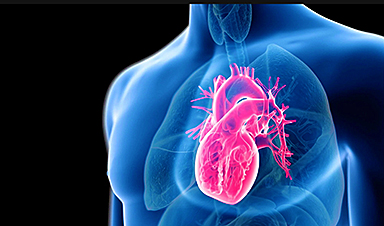
Coronary artery disease (CAD) is one of the world’s leading causes of death. In most cases, the condition develops when cholesterol-rich plaque narrows the arteries that supply blood to the heart, increasing the risk of chest pain, heart attack, and heart failure.
But researchers in Japan have spent years studying a lesser-known and often overlooked condition called triglyceride deposit cardiomyovasculopathy (TGCV). Unlike classic atherosclerosis, TGCV is driven by the buildup of triglycerides inside cells within the heart and blood vessel walls. The disorder appears to stem from defective intracellular fat breakdown, which allows fatty deposits to accumulate where they should not.
“Almost 15 years ago, we identified a new type of CAD called triglyceride deposit cardiomyovasculopathy (TGCV), in which the coronary arteries are occluded by triglyceride deposits generated by defective intracellular breakdown of triglycerides in vascular smooth muscle cells,” said lead author Ken-ichi Hirano. “This mechanism makes TGCV distinct from classic cholesterol-induced atherosclerosis, and accounts for patients who are resistant to standard remedies for CAD.”
Researchers say TGCV appears especially common in people with diabetes mellitus and in patients undergoing hemodialysis. Because the condition can resemble conventional coronary artery disease, many cases may go undiagnosed.

Tricaprin Produced “Remarkable” Changes
The Osaka University team focused on tricaprin, a commercially available dietary supplement believed to stimulate fat metabolism in heart muscle cells.
The published report described two patients in their 60s who had diabetes mellitus, severe chest pain, and persistent coronary artery disease that did not respond adequately to existing treatments. After being diagnosed with TGCV, both patients began taking tricaprin regularly. Within months, their symptoms improved significantly.
More surprisingly, follow-up scans revealed visible changes inside the arteries themselves. Imaging showed reduced triglyceride buildup and widening of previously narrowed blood vessels. Researchers also observed evidence of increased fat breakdown activity within heart tissue.
“Now we report a remarkable regression of diffuse coronary atherosclerosis in two patients with TGCV,” stated Hirano. “Both had suffered from refractory chest pain and diabetes until diagnosis with TGCV, and subsequent dietary intake of tricaprin led to symptom relief.”
The researchers emphasized that the improvements occurred without major changes in standard blood lipid measurements, suggesting the supplement may have worked through a different biological pathway than traditional cholesterol-lowering therapies.

Why the Findings Stood Out
Cardiologists have long known that aggressive cholesterol reduction can sometimes slow or partially reverse plaque buildup. However, the Japanese team says this may represent a different mechanism entirely.
“While atherosclerosis regression following decreased serum lipid levels is well-described, this is the first report of regression due to increased triglyceride lipolysis within cells, and as such is a conceptually novel treatment for coronary atherosclerosis,” said Hirano.
That distinction has drawn scientific interest because it points toward a new strategy for treating patients who do not improve with conventional therapies such as statins, stents, or other interventions aimed primarily at cholesterol.
Follow-Up Research Continues
Since the 2023 publication, researchers have continued investigating TGCV and tricaprin-based therapies. A Phase IIa clinical trial in Japan evaluated CNT-01 (tricaprin/trisdecanoin) in patients with idiopathic TGCV, reflecting growing interest in whether boosting intracellular fat metabolism could become a viable treatment strategy.
Scientists caution that the original report involved only two patients, meaning much larger studies are still needed before tricaprin could become a mainstream therapy for coronary artery disease. Researchers also stress that people should not replace prescribed cardiac treatments with supplements without medical supervision.
Still, the findings have raised hopes for patients with treatment-resistant forms of heart disease. For some experts, the study highlights how much remains unknown about the different ways artery disease can develop inside the human body.
As scientists continue exploring TGCV, the work from Osaka University suggests that future heart disease treatments may eventually focus not only on cholesterol in the bloodstream, but also on how fat is processed deep inside the cells of the heart itself.
Reference: “Remarkable regression of diffuse coronary atherosclerosis in patients with triglyceride deposit cardiomyovasculopathy” by Ken-ichi Hirano, Masahiro Higashi and Kenichi Nakajima, 30 December 2022, European Heart Journal.
DOI: 10.1093/eurheartj/ehac762

News – Curated by Amanda Scott, Alias Group Creative
Follow her on Bluesky
Too Much RNA Can Drain a Cell’s Energy, Scientists Discover
A virus may cripple a cell’s power supply simply by producing too much of a molecule the cell needs to survive. New research from the Texas A&M College of Veterinary Medicine and Biomedical Sciences [...]

West African scientists warn of weakening health systems and urge stronger outbreak detection
LOME, Togo (AP) — West African laboratory scientists called on governments Friday to strengthen capacity to detect disease outbreaks to avoid another major outbreak, saying health systems across the region are becoming weaker. Participants [...]

A Little-Known Protein Could Point to a New Way To Treat Alzheimer’s
A study suggests that increasing SORLA protein levels could help treat Alzheimer’s disease and other disorders involving tau protein. Increasing SORLA, a protein with a protective role in the brain, helped mice withstand damage [...]
Cancer’s Hidden Antioxidant Shield Helps It Escape the Immune System
Blocking an antioxidant protein that tumors use to suppress immune attacks improved cancer immunotherapy responses in mice. Cancer cells can release antioxidants that interfere with the immune cells trying to kill them. Researchers have [...]

Scientists Find a Berry Compound That Helps Muscle Cells Burn Fat
Pterostilbene, a compound found naturally in some foods, affects how skeletal muscles process fats by stabilizing a protein called PPARδ and increasing its signaling activity. Pterostilbene, a natural compound found in blueberries, grapes, and [...]
Two Hidden Forces Help Build the Human Brain Before Birth
Scientists have uncovered two surprising forces that help guide how the human brain forms before birth. Before birth, the human brain is shaped in large part by an unusual class of stem cells known [...]
Researchers Uncover a Hidden Trigger Behind Chronic Inflammation
The findings offer new insights that could help guide the development of future therapies. A protein called human resistin may help flip on one of the immune system’s most powerful inflammatory switches. Researchers at [...]
Scientists Have Uncovered Previously Hidden Microbial Activity on Human Skin
The most abundant microbes on your skin may not be the ones doing most of the work. Human skin supports vast communities of bacteria, fungi, and viruses that can influence its protective barrier, immune [...]
Brazilian Tree Compounds Fight COVID-19 on Multiple Fronts
Scientists found compounds in a Brazilian tree that hit SARS-CoV-2 on multiple fronts, revealing a promising new lead in the search for COVID-19 treatments. Researchers have found that galloylquinic acids extracted from the leaves [...]
Cutting Two Amino Acids Slowed Prostate Cancer in Mice
A newly identified link between amino acid metabolism and cholesterol production may help prostate tumors adapt to hormone therapy. Prostate cancer can find ways around treatments designed to deprive tumors of the hormones they [...]
Largest-Ever Physics Survey Raises New Doubts About Our Model of the Universe
Physicists around the world remain deeply divided on key mysteries of the universe, from dark matter to quantum gravity. The standard cosmological model failed to gain majority support, and no leading theory dominated the [...]
Scientists Just Overturned a 100-Year-Old Belief About Bacteria in the Lungs
New findings raise questions about the role of microbes living in the lungs. More than 35 trillion bacteria live throughout the human body, forming microbiomes in the gut, mouth, lungs, skin, and urogenital tract. [...]

GHCE Concept
From the preface of the book Global Health Care Equivalency in the Age of Nanotechnology, Nanomedicine and Artificial Intelligence, Edited by Frank Boehm: Since the publication of my first book (Nanomedical Device and Systems [...]
Novartis, Ionis drug failure spurs questions
Pelacarsen didn’t protect heart health despite lowering levels of a protein particle, “Lp(a),” in a large clinical trial — a result with important implications for cardiovascular drug research. Dive Brief: An RNA drug from [...]
New injectable treatment helps the brain rebuild after stroke
Biomedical engineers at Duke University have created an injectable biomaterial that may help the brain recover from damage left behind by an ischemic stroke. In experiments with mice, the material transformed the cavity created [...]
Scientists Discover a Hidden “Immune Organ” Inside the Skull
Researchers discovered lymph node-like immune hubs inside skull bone marrow that appear to act as rapid-response centers for the brain. For decades, the brain was thought to operate largely apart from the immune system. [...]