A strange bead-like motion inside cells may be the secret to keeping their DNA—and health—in balance.
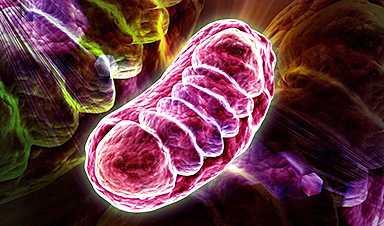
Mitochondria are often described as the power plants of the cell because they produce the energy cells need to survive. To support this role, they carry their own small set of genetic instructions called mitochondrial DNA (mtDNA).
Inside each cell, there are hundreds to thousands of copies of mtDNA. These copies are grouped into compact clusters known as nucleoids. Researchers have long observed that nucleoids are arranged at regular intervals within mitochondria. This orderly pattern helps ensure that mtDNA is properly inherited when cells divide and that its genes are expressed evenly throughout the mitochondria.
Why Mitochondrial DNA Organization Matters
When mitochondria or their DNA do not function correctly, the effects can be widespread. Disruptions have been linked to metabolic and neurological conditions such as liver failure and encephalopathy, as well as age-related diseases including Alzheimer's and Parkinson's.
Given how critical mtDNA is, scientists have been trying to understand how cells maintain such precise spacing of nucleoids. Until now, this question has remained unresolved.
"Proposed mechanisms related to mitochondrial fusion, fission, or molecular tethering cannot explain it, since nucleoid spacing is maintained even when they are disrupted," says Suliana Manley, professor at the Laboratory of Experimental Biophysics (LEB) at EPFL.
Discovery of Mitochondrial Pearling
Manley, together with Juan Landoni, a postdoctoral fellow at the LEB, has now identified the mechanism responsible for distributing mtDNA. Their findings point to a process called "mitochondrial pearling," which had previously been overlooked.
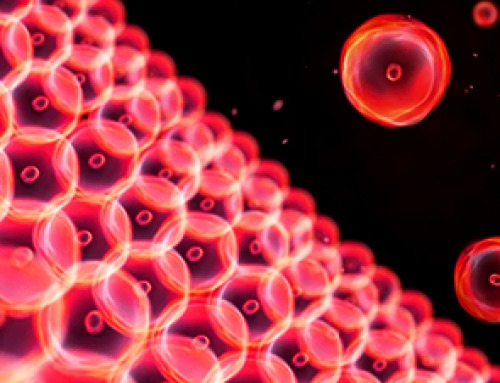
During this temporary transformation, mitochondria adopt a shape that resembles beads on a string. This structural change helps break apart clusters of mtDNA and spread nucleoids more evenly along the mitochondria, maintaining consistent spacing.
Imaging Mitochondria in Living Cells
To study this process in detail, the researchers used a combination of advanced microscopy techniques to observe mitochondria and their DNA inside living cells. These methods included super-resolution imaging and correlated light and electron microscopy, along with gentler approaches such as phase contrast microscopy.
Using these tools, the team was able to follow individual nucleoids, capture rapid shifts in mitochondrial shape, and better understand how their internal structure is organized.
What Happens During Pearling
Live-cell imaging showed that pearling events can occur several times per minute. During these moments, mitochondria briefly form a series of evenly spaced constrictions along their length. The distance between these bead-like sections closely matches the usual spacing between nucleoids.
Most of these "pearls" contain a nucleoid near the center, although the structures can also form without mtDNA.
As the process continues, larger nucleoid clusters often split into smaller groups that settle into neighboring pearls. Once the mitochondrion returns to its normal tubular shape, the nucleoids remain separated, preserving their regular distribution.
What Controls Mitochondrial Pearling
The researchers also identified factors that regulate this process. Through genetic and pharmacological experiments, they found that calcium entering the mitochondria can trigger pearling. Internal membrane structures also help maintain the separation of nucleoids.
When either of these regulatory elements is disrupted, nucleoids tend to clump together instead of remaining evenly spaced.
A Rediscovered Cellular Mechanism
"Since Margaret Reed Lewis first sketched mitochondrial pearling in 1915, it has largely been dismissed as an anomaly linked to cellular stress," says Landoni. "Over a century later, it is emerging as an elegantly conserved mechanism at the heart of mitochondrial biology. This biophysical process offers a simple and energy efficient means to distribute the mitochondrial genome."
Implications for Disease and Future Research
The findings highlight how cells rely on both physical processes and molecular systems to maintain order. Understanding how mitochondrial pearling works and how it is controlled could provide important insight into diseases linked to mtDNA.
This knowledge may also help guide future strategies for treating conditions associated with mitochondrial dysfunction.
Reference: "Pearling drives mitochondrial DNA nucleoid distribution" by Juan C. Landoni, Matthew D. Lycas, Josefa Macuada, Willi Stepp, Roméo Jaccard, Christopher J. Obara, Andrew S. Moore, David Hoffman, Jennifer Lippincott-Schwartz, Wallace Marshall, Gabriel Sturm and Suliana Manley, 2 April 2026, Science.
DOI: 10.1126/science.adu5646
Other Contributors
- Pontificia Universidad Católica de Chile
- Howard Hughes Medical Institute
- University of California, San Francisco

News – Curated by Amanda Scott, Alias Group Creative
Follow her on Bluesky
Cancer’s Hidden Antioxidant Shield Helps It Escape the Immune System
Blocking an antioxidant protein that tumors use to suppress immune attacks improved cancer immunotherapy responses in mice. Cancer cells can release antioxidants that interfere with the immune cells trying to kill them. Researchers have [...]

Scientists Find a Berry Compound That Helps Muscle Cells Burn Fat
Pterostilbene, a compound found naturally in some foods, affects how skeletal muscles process fats by stabilizing a protein called PPARδ and increasing its signaling activity. Pterostilbene, a natural compound found in blueberries, grapes, and [...]
Two Hidden Forces Help Build the Human Brain Before Birth
Scientists have uncovered two surprising forces that help guide how the human brain forms before birth. Before birth, the human brain is shaped in large part by an unusual class of stem cells known [...]

Researchers Uncover a Hidden Trigger Behind Chronic Inflammation
The findings offer new insights that could help guide the development of future therapies. A protein called human resistin may help flip on one of the immune system’s most powerful inflammatory switches. Researchers at [...]
Scientists Have Uncovered Previously Hidden Microbial Activity on Human Skin
The most abundant microbes on your skin may not be the ones doing most of the work. Human skin supports vast communities of bacteria, fungi, and viruses that can influence its protective barrier, immune [...]
Brazilian Tree Compounds Fight COVID-19 on Multiple Fronts
Scientists found compounds in a Brazilian tree that hit SARS-CoV-2 on multiple fronts, revealing a promising new lead in the search for COVID-19 treatments. Researchers have found that galloylquinic acids extracted from the leaves [...]
Cutting Two Amino Acids Slowed Prostate Cancer in Mice
A newly identified link between amino acid metabolism and cholesterol production may help prostate tumors adapt to hormone therapy. Prostate cancer can find ways around treatments designed to deprive tumors of the hormones they [...]
Largest-Ever Physics Survey Raises New Doubts About Our Model of the Universe
Physicists around the world remain deeply divided on key mysteries of the universe, from dark matter to quantum gravity. The standard cosmological model failed to gain majority support, and no leading theory dominated the [...]

Scientists Just Overturned a 100-Year-Old Belief About Bacteria in the Lungs
New findings raise questions about the role of microbes living in the lungs. More than 35 trillion bacteria live throughout the human body, forming microbiomes in the gut, mouth, lungs, skin, and urogenital tract. [...]

GHCE Concept
From the preface of the book Global Health Care Equivalency in the Age of Nanotechnology, Nanomedicine and Artificial Intelligence, Edited by Frank Boehm: Since the publication of my first book (Nanomedical Device and Systems [...]

Novartis, Ionis drug failure spurs questions
Pelacarsen didn’t protect heart health despite lowering levels of a protein particle, “Lp(a),” in a large clinical trial — a result with important implications for cardiovascular drug research. Dive Brief: An RNA drug from [...]
New injectable treatment helps the brain rebuild after stroke
Biomedical engineers at Duke University have created an injectable biomaterial that may help the brain recover from damage left behind by an ischemic stroke. In experiments with mice, the material transformed the cavity created [...]
Scientists Discover a Hidden “Immune Organ” Inside the Skull
Researchers discovered lymph node-like immune hubs inside skull bone marrow that appear to act as rapid-response centers for the brain. For decades, the brain was thought to operate largely apart from the immune system. [...]

Engineered tRNAs and lipid nanoparticles target nonsense mutation cystic fibrosis
Researchers have developed a potential new approach for treating a form of cystic fibrosis caused by so-called nonsense mutations, combining chemically modified transfer RNAs with lipid nanoparticles designed to deliver the therapy directly to [...]

New pancreatic cancer drug carries a $39,800 monthly list price
A groundbreaking treatment for one of the most common forms of pancreatic cancer has been approved in pill form by the FDA. Revolution Medicines’ oral tablet daraxonrasib, branded as Rasonque, reduced the risk of [...]
Researchers Have Discovered a New Way To Reduce Chronic Nerve Pain
A cancer-linked protein called BRAF may help drive chronic nerve pain, and existing cancer drugs targeting it reduced pain sensitivity in preclinical models. Chronic nerve pain can persist long after an injury and often [...]