A traditional medicinal plant, tormentil, shows promise against antibiotic-resistant bacteria in laboratory tests. Its compounds work by limiting bacterial growth and boosting antibiotic performance.
Before the development of modern antibiotics, plant-based remedies were commonly used to treat infections.
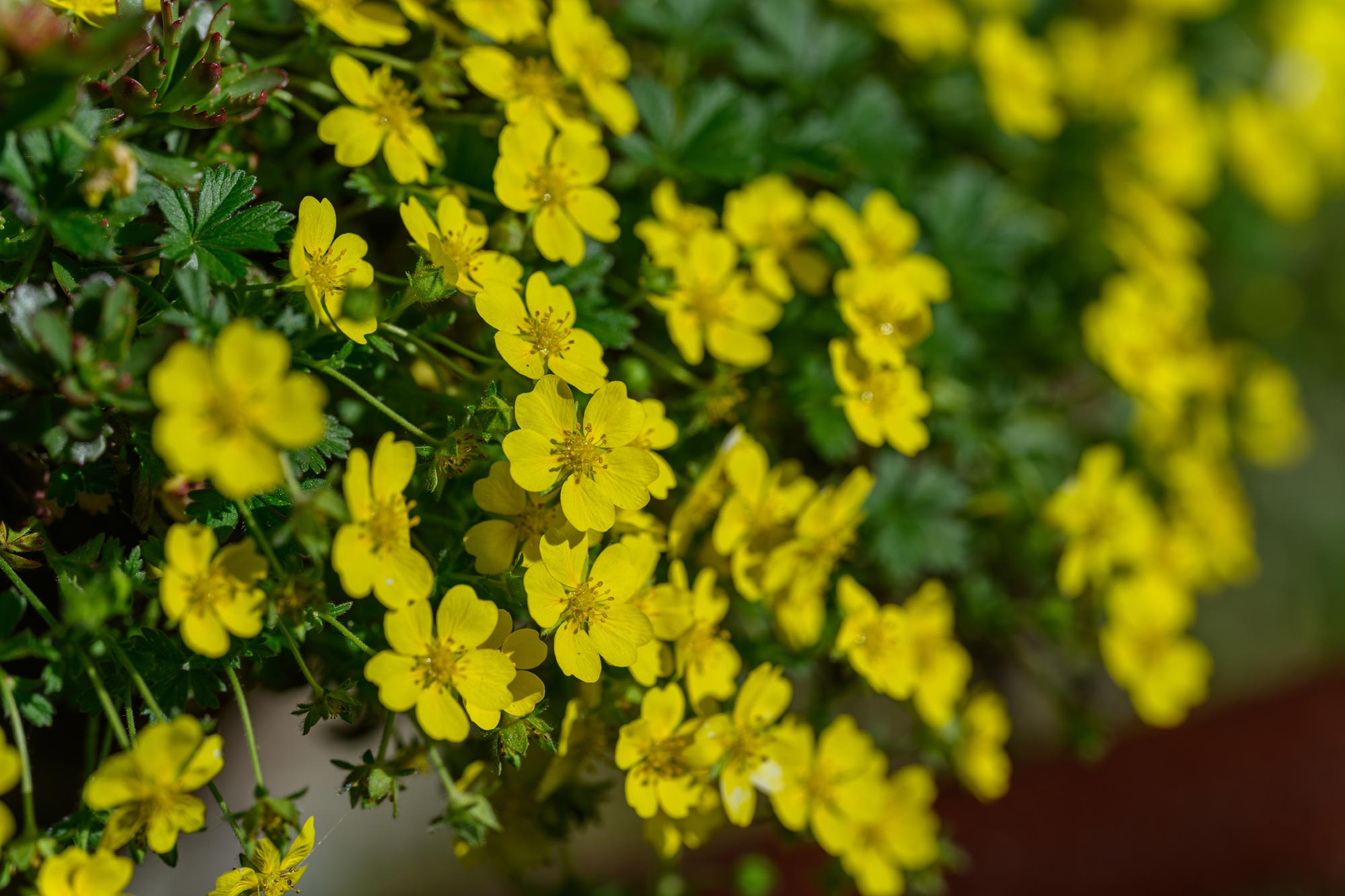
One such plant is tormentil (Potentilla erecta), a small yellow wildflower found across Ireland, the UK, and Europe. Its root has a long history in traditional Irish and European medicine, where it was used to treat wounds, sore throats, diarrhea, and gum disease. These longstanding uses hinted that tormentil might contain compounds capable of killing harmful microbes.
Our recent research has now shown that not only does tormentil have antimicrobial activity, it may also be powerful enough to fight microbes that are resistant to modern antibiotics.
Antimicrobial resistance is an increasing global concern. It arises when bacteria adapt in ways that allow them to survive drugs that once killed them. As a result, some infections are becoming extremely difficult, and in some cases impossible, to treat. This trend raises the risk of returning to a time when infections that are now manageable could once again become life-threatening.
Researchers are therefore searching for new antimicrobial compounds. Plants are a promising source, having evolved over millennia to produce a wide range of bioactive chemicals to defend themselves against microbes.
Traditional remedies inspire modern testing
In our recent study, we investigated whether various Irish bogland plants contain compounds that could help fight multidrug-resistant bacteria.
To do this, we prepared extracts from over 70 different plant species collected from bogs across Ireland. We then tested them against clinically relevant bacterial pathogens in the laboratory – including bacteria which cause severe pneumonia and urinary tract infections.
We used antimicrobial susceptibility testing to see whether the extracts inhibited bacterial growth. This involved exposing the bacteria to the various plant extracts to see which extract inhibited the growth of the bacteria.
We then tested these extracts on biofilms to determine whether the plant compounds could prevent bacteria from forming biofilms. Biofilms are bacterial communities surrounded by a slimy carbohydrate shield that protects them from antibiotics, disinfectants, and the immune system.
Tormentil shows strong antimicrobial effects
Excitingly, our initial screening showed that tormentil extracts were antimicrobial and limited the formation of biofilms. This suggested these extracts contained compounds with antimicrobial activity, which may explain their historical use to treat infection.
We also explored whether these plant extracts could work in combination with existing antibiotics, as some plant compounds don't kill bacteria directly but instead can make antibiotics work better. So we combined low levels of the antibiotic colistin – an antibiotic that is only used as a last resort against severe infections due to its potential toxicity to patients – with the tormentil extract. The low-level antibiotic dosage wasn't enough to kill the bacteria when used on its own. But when combined with the tormentil extract, the plant compound enhanced the antibiotic's efficacy.
Part of our team then performed an analysis to identify the compounds present in the tormentil extracts. Potentilla plants are known to contain naturally occurring compounds, such as ellagic acid and agrimoniin, which have antioxidant and anti-inflammatory properties.
We tested ellagic acid and agrimoniin compounds which were present in our bogland tormentil. We showed that these specific compounds could inhibit bacterial growth. This indicates they may be responsible for tormentil's antimicrobial activity.
We subsequently found these compounds were doing this by scavenging iron – a nutrient that's essential for bacterial growth. This effectively starved the bacterial cells, preventing them from growing. We are now focused on optimizing this antimicrobial activity and developing formulations to test its potential as a treatment in experimental models.
Plants offer new paths against resistance
Nature has always been a rich source of medicine. Many antibiotics that we use today originally came from natural sources. For instance, the potent, last-resort antibiotics vancomycin – which is used to treat MRSA (methicillin-resistant Staphylococcus aureus) and C difficile infections – came from soil microbes.
With antimicrobial resistance continuing to rise globally, we urgently need new approaches and treatments. Plants may be an underexplored source of both new antimicrobial compounds and of compounds that make existing drugs more effective.
The story of tormentil shows how nature and traditional medicine can work hand in hand with modern science to address today's challenges. It also highlights that solutions can be found in unexplored places – even in a small yellow wildflower growing in a bogland.
Reference: "Bogland plant Tormentil inhibits multidrug-resistant pathogen growth and potentiates antibiotics by disrupting iron homeostasis" by Kavita Gadar, Maria Pigott, Cillian Jacques Gately, Ismael Obaid, Shipra Nagar, John J. Walsh, Helen Sheridan and Ronan R. McCarthy, 23 March 2026, Microbiology.
DOI: 10.1099/mic.0.001675
Adapted from an article originally published in The Conversation.

News – Curated by Amanda Scott, Alias Group Creative
Follow her on Bluesky

After only a short training, people in a coma managed to send targeted signals
Researchers have succeeded in communicating with brain-injured patients who are unconscious. They see enormous potential in this for future treatments. Patients who lie motionless in bed after a severe brain injury and do not [...]
MIT Scientists Reprogram Immune Cells Inside the Body To Destroy Cancer
Natural killer cells reprogrammed inside mice eliminated lymphoma tumors and helped damaged livers heal, though whether this approach could help people with cancer or autoimmune disease remains unknown. To make a cancer treatment from [...]

Melanoma mRNA Vaccine Shows Promise in Preventing Disease Recurrence
Key takeaways: Phase 3 trial finds personalized intismeran plus pembrolizumab may better prevent high-risk melanoma recurrence after surgery The trial enrolled 1,137 patients and builds on phase 2 results showing about half the recurrence [...]
Scientists Discover a Powerful New Weapon Against a Dangerous Gut Infection
The promise of an experimental treatment for C. difficile gut infections lies partly in the bacteria it leaves alive, according to early laboratory and mouse research. Broad-spectrum antibiotics can disrupt the gut’s microbial community, [...]
Your Bones May Hold a Hidden Clue to Blood Cancer Survival
For people with blood cancers called myelodysplastic syndromes, osteoporosis may hold an overlooked clue to survival, a three-year observational study suggests. In blood cancers that develop in the bone marrow, an important clue to [...]

Researchers Discover What Reading for Pleasure May Be Doing to Your Brain
Reading for pleasure may offer surprising benefits for the brain, with research linking the habit to better mental health, stronger cognitive abilities, and a lower risk of dementia. Reading for pleasure may do far [...]
Scientists Discover a Hidden Trigger That Keeps Inflammation Alive
Inflammation persists after proteins detach from immune receptors, revealing a potential target for autoimmune treatments. Since a Nobel Prize-winning discovery in the 1990s identified molecules called Toll-like Receptors as the guardians of the human [...]
A Virus Gives Itself Away the Moment It Attacks
Researchers have found the trigger behind a powerful bacterial defense against viruses. Viruses that prey on bacteria could become an increasingly important tool for treating bacterial infections, particularly as antibiotic resistance makes some infections [...]

Scientists Discover Aspirin May Slash Dementia Risk by 70% – but Only for Certain People
Aspirin was linked to a sharply lower dementia risk in some older adults, and their genes may hold the clue. A Monash University analysis found that older adults with a particular genetic profile had [...]
Inflammation May Awaken Dormant Cancer Cells Years After Treatment
The body’s response to inflammation may disturb cancer cells that have been lying silent for years, giving them an opportunity to grow again. Researchers at the Francis Crick Institute have found that gut inflammation [...]

Where do nanoparticles go once they enter the body?
New international best practice guidance, co-written at ANSTO, sets out how to measure where nanoparticles like titanium dioxide end up in the body and how long they remain. The guidance has been shared by [...]
Long-Acting HIV Shots Could Solve a Major Treatment Challenge for Young People
A major African trial suggests that changing how HIV treatment is delivered could significantly improve viral suppression in adolescents. Young people with HIV were more likely to keep the virus suppressed when they received [...]

WHO Factsheets – The top 10 causes of death
In 2023, the 10 leading causes of death accounted for 33 million deaths, or 54% of the total 61 million deaths worldwide. The top global causes of death, in order of total number of lives lost, [...]
Aging Cells May Be Hiding From the Immune System – Scientists Think They Know How
Your immune system is supposed to clear out damaged cells. Researchers may have found how some of them hide and linger as the body ages. Researchers led by Cedars-Sinai Health Sciences University have identified [...]

Your Voice May Reveal How Fast Your Brain Is Aging
Researchers have developed a machine-learning “speech clock” that estimates age from subtle patterns in how people speak and what they say. It is possible that people’s voices may contain certain signals of aging that [...]
Optogenetics Pioneers Win 2026 Nobel Prize in Physiology or Medicine
The 2026 Nobel Prize in Physiology or Medicine has been awarded to Peter Hegemann, Georg Nagel, and Karl Deisseroth for the development of optogenetics, a revolutionary technology that uses light to control individual neurons [...]