A newly identified weakness in "zombie" cells may open the door to more precise cancer treatments by turning their own survival strategy against them.
A new class of drugs takes advantage of a recently discovered weakness in "zombie-like" or senescent cells, opening the door to potential treatments for cancer and age-related diseases.
Researchers from the MRC Laboratory of Medical Sciences (LMS) and Imperial College London found that these cells exist in a delicate balance. They accumulate high levels of iron and other harmful molecules that push them toward cell death, but survive by producing large amounts of a protective protein.
Disabling this defense removes their protection, making the cells vulnerable. This strategy could be used alongside existing therapies to improve outcomes for cancer patients.
The Double-Edged Role of Senescent Cells in Cancer
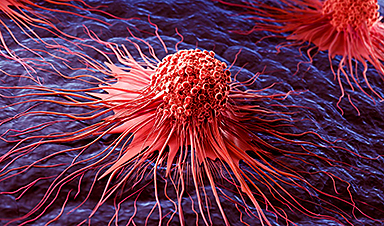
Cancer develops through uncontrolled cell division, yet many tumors also contain a subset of cells that no longer divide. These are known as senescent cells. Chemotherapy often increases their numbers as it works to slow tumor growth.
Although these cells do not directly expand the tumor, they still contribute to disease progression. Senescent cells release signaling molecules that affect nearby cells, encouraging tumor growth, spread, and harmful immune responses. They are also linked to age-related conditions such as fibrosis. Because of these effects, scientists are increasingly focused on finding ways to selectively eliminate senescent cells.
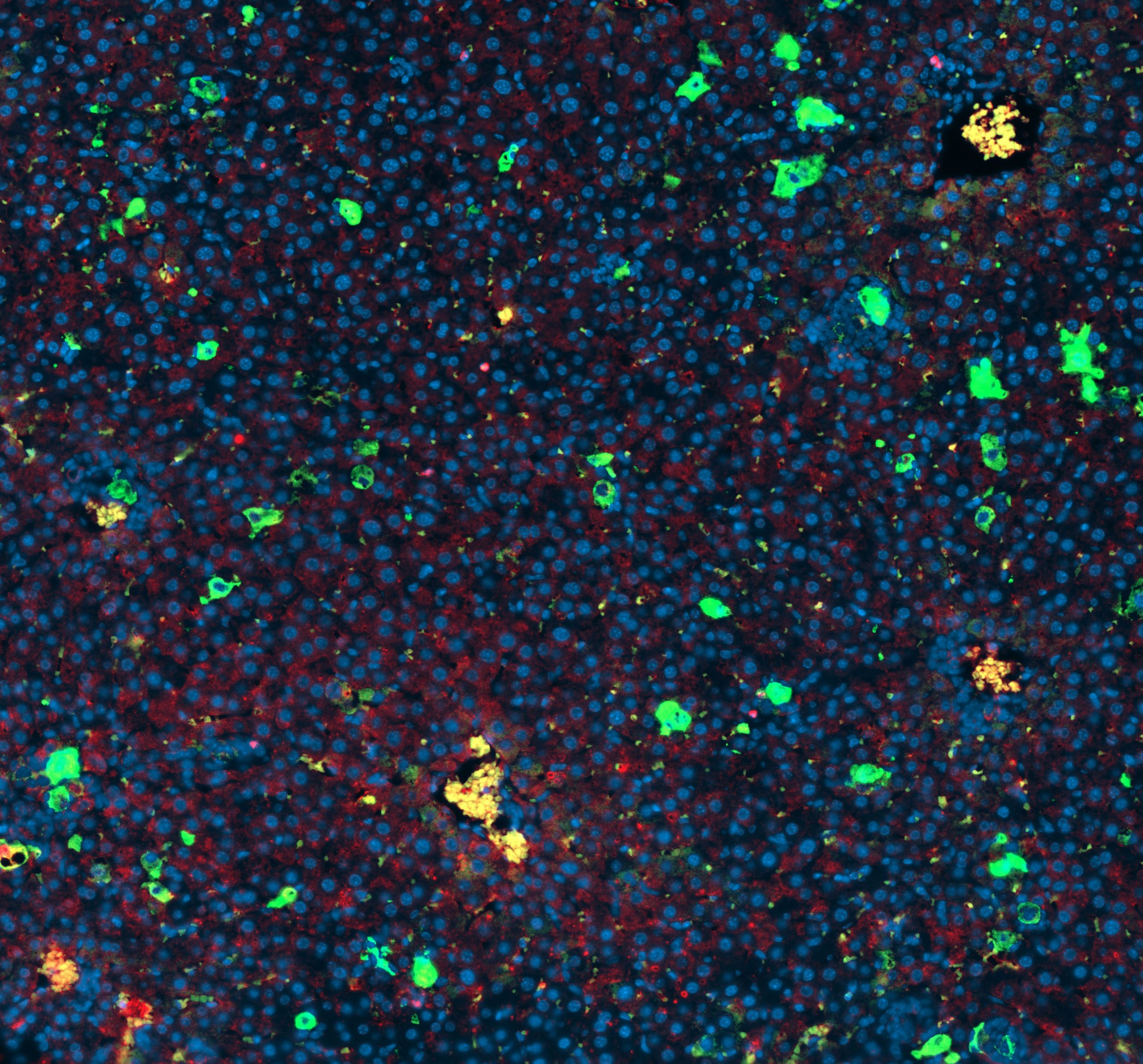
Mariantonietta D'Ambrosio, a postdoctoral researcher at LMS and lead author of the study published in Nature Cell Biology, describes how views on these cells have changed: "Senescence was considered for a long time to be positive, because senescent cells don't proliferate, which is the core feature of cancer. Normal chemotherapy induces senescence blocking the proliferation of cancer cells, so the tumor doesn't get bigger. But with time, you also see the negative side of the senescent cells, because they secrete a lot of factors that influence neighbouring cells and induce even more proliferation, metastasis, and recruitment of bad parts of the immune system that will provoke even more aggressiveness in the tumor. For this reason, we tried to find some drugs that were able to kill the senescent cells."
Testing 10,000 possible drugs
To identify possible treatments, the researchers carried out a large screening effort. Working with collaborators in Imperial's Department of Medicinal Chemistry, they focused on a group of inhibitors known as "covalent compounds." These molecules form strong chemical bonds with their targets, allowing them to block proteins that are often difficult to target with traditional drugs.
The team tested 10,000 different compounds on both senescent and normal cells. Their goal was to find compounds that selectively killed senescent cells. Drugs with this property are known as "senolytic," meaning they specifically eliminate senescent cells.
From this process, four promising candidates emerged. Three of them targeted a protein called GPX4, which plays a key role in protecting cells from damage.
GPX4 helps prevent ferroptosis, a type of cell death triggered by high iron levels and harmful molecules known as reactive oxygen species. Scientists have only recently identified ferroptosis as a vulnerability in senescent cells.
Mariantonietta says, "recent papers have shown this predisposition of senescent cells to ferroptosis, but it's a new senescence vulnerability. That creates an opportunity for us to exploit. So now there is research to find senolytic drugs to kill cells through ferroptosis."
Senescent cells accumulate high levels of iron and other damaging factors, which makes them especially prone to ferroptosis. To survive, they produce elevated levels of GPX4. This can be compared to taking a painkiller to keep running on an injured ankle. The underlying damage is still present, but its immediate effects are masked. Removing that protection exposes the full impact of the injury.
When GPX4 is blocked, this protective system fails, and ferroptosis becomes unavoidable. The result is the selective death of senescent cells.
Improved outcomes in three cancer models
The researchers tested these compounds in three mouse models of cancer and observed improved results in each case due to the removal of senescent cells. These findings suggest that targeting such cells could strengthen current cancer treatments.
"In mouse models, we saw that these drugs reduced tumor size, and improved survival. Now we need to see the effect on the immune system. Is the improvement also awakening the 'good side' of the immune system (T cells, natural killer cells) that helps to kill the tumor?" says Professor Jesus Gil, senior author and Head of the Senescence group at the LMS. "Once we know more, the next step is to understand which cancer cell types or specific patients might better respond to this treatment. For example, if a patient undergoing chemotherapy overexpressed GPX4 then you could use this approach in combination with existing drugs to improve efficacy."
This work highlights senescent cells as a promising but underused target in cancer therapy. Mariantonietta adds: "Targeting senescence is a huge opportunity for cancer treatments, and ultimately it can play a supporting role in addition to chemotherapy and immunotherapy."
Reference: "Electrophilic compound screening identifies GPX4-dependent ferroptosis as a senescence vulnerability" by Mariantonietta D'Ambrosio, Matthew E. H. White, Efthymios S. Gavriil, Laura Bousset, Jodie Birch, Aleksandra Gruevska, Emiliano Pasquini, Manuel Colucci, Winnie Fong, Simone Mosole, Aurora Valdata, Dimitris Veroutis, Katie Tyson, Vikas Ranvir, Sandra Prokosch, Joaquim Pombo, Aoki Ardisson, Sanjay Khadayate, George Young, Alex Montoya, Georgia Roumelioti, Jack Houghton, Jianan Lu, Pavel V. Shliaha, Elena De Vita, Santiago Vernia, Vassilis G. Gorgoulis, Suchira Gallage, Mathias Heikenwälder, Zoe Hall, Andrea Alimonti, Iain A. McNeish, Edward W. Tate and Jesús Gil, 24 April 2026, Nature Cell Biology.
DOI: 10.1038/s41556-026-01921-z

News – Curated by Amanda Scott, Alias Group Creative
Follow her on Bluesky
Scientists Have Uncovered Previously Hidden Microbial Activity on Human Skin
The most abundant microbes on your skin may not be the ones doing most of the work. Human skin supports vast communities of bacteria, fungi, and viruses that can influence its protective barrier, immune [...]
Brazilian Tree Compounds Fight COVID-19 on Multiple Fronts
Scientists found compounds in a Brazilian tree that hit SARS-CoV-2 on multiple fronts, revealing a promising new lead in the search for COVID-19 treatments. Researchers have found that galloylquinic acids extracted from the leaves [...]
Cutting Two Amino Acids Slowed Prostate Cancer in Mice
A newly identified link between amino acid metabolism and cholesterol production may help prostate tumors adapt to hormone therapy. Prostate cancer can find ways around treatments designed to deprive tumors of the hormones they [...]

Largest-Ever Physics Survey Raises New Doubts About Our Model of the Universe
Physicists around the world remain deeply divided on key mysteries of the universe, from dark matter to quantum gravity. The standard cosmological model failed to gain majority support, and no leading theory dominated the [...]

Scientists Just Overturned a 100-Year-Old Belief About Bacteria in the Lungs
New findings raise questions about the role of microbes living in the lungs. More than 35 trillion bacteria live throughout the human body, forming microbiomes in the gut, mouth, lungs, skin, and urogenital tract. [...]

GHCE Concept
From the preface of the book Global Health Care Equivalency in the Age of Nanotechnology, Nanomedicine and Artificial Intelligence, Edited by Frank Boehm: Since the publication of my first book (Nanomedical Device and Systems [...]

Novartis, Ionis drug failure spurs questions
Pelacarsen didn’t protect heart health despite lowering levels of a protein particle, “Lp(a),” in a large clinical trial — a result with important implications for cardiovascular drug research. Dive Brief: An RNA drug from [...]

New injectable treatment helps the brain rebuild after stroke
Biomedical engineers at Duke University have created an injectable biomaterial that may help the brain recover from damage left behind by an ischemic stroke. In experiments with mice, the material transformed the cavity created [...]

Scientists Discover a Hidden “Immune Organ” Inside the Skull
Researchers discovered lymph node-like immune hubs inside skull bone marrow that appear to act as rapid-response centers for the brain. For decades, the brain was thought to operate largely apart from the immune system. [...]

Engineered tRNAs and lipid nanoparticles target nonsense mutation cystic fibrosis
Researchers have developed a potential new approach for treating a form of cystic fibrosis caused by so-called nonsense mutations, combining chemically modified transfer RNAs with lipid nanoparticles designed to deliver the therapy directly to [...]
New pancreatic cancer drug carries a $39,800 monthly list price
A groundbreaking treatment for one of the most common forms of pancreatic cancer has been approved in pill form by the FDA. Revolution Medicines’ oral tablet daraxonrasib, branded as Rasonque, reduced the risk of [...]
Researchers Have Discovered a New Way To Reduce Chronic Nerve Pain
A cancer-linked protein called BRAF may help drive chronic nerve pain, and existing cancer drugs targeting it reduced pain sensitivity in preclinical models. Chronic nerve pain can persist long after an injury and often [...]

Our books now available worldwide!
Online Sellers other than Amazon, Routledge, and IOPP Indigo Global Health Care Equivalency in the Age of Nanotechnology, Nanomedicine and Artifcial Intelligence Global Health Care Equivalency In The Age Of Nanotechnology, Nanomedicine And Artificial [...]

Quantum-Enabled Regenerative Health: Reimagining Wellness, Precision Health and Longevity Medicine
Introduction Healthcare is approaching a frontier where the quantum portfolio could influence not only how disease is diagnosed and treated, but how health itself is measured, modeled, predicted and preserved. Quantum computing, quantum simulation, [...]

FDA Clears First-of-Its-Kind Nonmedication Treatment for PTSD
The FDA has cleared a system that uses brain activity data to personalize magnetic stimulation for PTSD, adding a new nonmedication treatment option. Every day in the United States, approximately 17.5 veterans die by suicide, [...]

FDA approves breakthrough drug to treat advanced pancreatic cancer
The Food and Drug Administration (FDA) approved on Wednesday a drug that could extend the survival of those with metastatic pancreatic cancer. The drug, called daraxonrasib, will be sold under the brand name Rasonque [...]