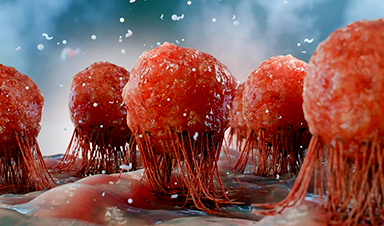
Cancer cells may be exploiting a common antioxidant as fuel, revealing a potential weakness that future therapies could target.
Cancer cells may be tapping into an unexpected energy source: an antioxidant long associated with protecting healthy cells. Researchers have discovered that tumors appear to be "addicted" to glutathione, a molecule widely known for preventing cellular damage, which they use as a key fuel source. The discovery not only challenges conventional thinking about antioxidants but also highlights a possible new target for cancer treatment.
The study, published March 18 in Nature, comes from scientists at the Wilmot Cancer Institute at the University of Rochester, led by Isaac Harris, PhD. The work was carried out by Fabio Hecht, PhD, and Marco Zocchi, PhD, in Harris's lab in the Department of Biomedical Genetics.
How Cancer Cells Adapt to Scarcity
Tumors often grow in environments where nutrients are limited. Even so, cancer cells have developed efficient ways to capture and use available resources.
Glutathione, a powerful antioxidant that Harris has studied for years, has now emerged as one of those resources. The researchers found that cancer cells can break it down and use it as fuel.
"Cancer cells and normal cells potentially use different food sources," Harris explained, "and we discovered how cancer cells, specifically, break down this antioxidant and use it as fuel."
This role is unexpected. Scientists have long focused on glutathione for its ability to protect cells from damage, not as something that can support tumor growth.
"Maybe we need to re-examine the pantry that cancer relies on and look at things that we never thought could actually be used as food for tumors," Harris said. "There are additional complex metabolites that others are looking at, so we're potentially opening a whole new interest into how cancer cells acquire nutrients and how to block that activity. It's a really exciting time."
What is glutathione?
The body produces glutathione naturally, and it is also widely sold as a dietary supplement. It is often promoted for its health benefits, but the National Cancer Institute has issued more cautious guidance about how nutrients and supplements may relate to cancer.
"It's important to understand how cancer hijacks certain substances that we may think of as harmless," Harris said, emphasizing that antioxidants can be a double-edged sword in some circumstances.
Earlier research from the Harris team, in collaboration with Tom Campbell, PhD, and Erin Campbell, PhD, found that a whole-food plant-based diet may reduce nutrients that tumors depend on. That work helped set the stage for the current study, which examines the complex links between antioxidants, metabolism, and cancer.
To investigate further, researchers analyzed breast tumor samples donated to Wilmot's Biobank. They examined fluid from inside the tumors and found high levels of glutathione, showing that tumors are actively using it.
In preclinical models of breast cancer, blocking the tumor's ability to use glutathione slowed its growth.
Early evidence suggests this may not be limited to breast cancer. Many tumor types appear to consume glutathione, according to preliminary data.
Bringing Basic Science Closer to the Clinic
Harris stressed that these findings do not mean people should avoid antioxidant-rich foods.
"Eating a balanced diet with fruits and vegetables is important. It can control weight, reduce inflammation, and support a healthy immune system," Harris said. "But people should be cautious about taking supplements in general, particularly glutathione. Taking a pill that is unregulated by the FDA and has a high concentration of glutathione can present risks."
The team also used advanced tools to search for ways to block glutathione use in tumors. They identified a promising candidate, a drug first developed nearly a decade ago.
University of Rochester chemist Tom Driver, PhD, and biochemist Joshua Munger, PhD, are now working to refine this drug and identify the specific proteins that allow tumors to process glutathione. Future research will also test combinations of anticancer drugs alongside dietary strategies that may improve outcomes.
The long-term goal is to create treatments that destroy cancer cells while leaving healthy cells unharmed.
"Even though glutathione was discovered 100 years ago, we are finding completely new aspects to its biology," Harris said. "There is a lot left to understand but we're hopeful we can translate these discoveries to new therapies."
Reference: "Catabolism of extracellular glutathione supplies cysteine to support tumours" by Fabio Hecht, Marco Zocchi, Emily T. Tuttle, Nathan P. Ward, Fatemeh Alimohammadi, Amal Afzal Khan, Veronica C. Gomes, Bradley Smith, Jennifer J. Twardowski, Bradley N. Mills, Kevin A. Welle, Sina Ghaemmaghami, Zhuoran Zhou, Yuhan Gan, Yun Pyo Kang, Juliana Cazarin, Zamira G. Soares, Mete Emir Ozgurses, Huiping Zhao, Colin Sheehan, Guillaume Cognet, Lila D. Munger, Dhvani Trivedi, Gloria Asantewaa, Sara K. Blick-Nitko, Jason J. Zoeller, Ying Chen, Vasilis Vasiliou, Bradley M. Turner, Stephano S. Mello, Brian J. Altman, Alexander Muir, Jonathan L. Coloff, Joshua Munger, Gina M. DeNicola and Isaac S. Harris, 18 March 2026, Nature.
DOI: 10.1038/s41586-026-10268-2
Several sources funded the research, including the Wilmot Cancer Institute, the American Association for Cancer Research and Breast Cancer Research Foundation, Breast Cancer Coalition of Rochester, American Cancer Society, and the National Institutes of Health.

News – Curated by Amanda Scott, Alias Group Creative
Follow her on Bluesky

A Surprising Brain Signal Could Explain Why Eating Less Protein Extends Lifespan
A new paper suggests that limiting protein intake triggers a coordinated response throughout the body that may help explain how protein restriction affects healthy aging. Animals respond to protein restriction, or reduced protein in [...]

Back and shoulder surgery is often worse than useless
Millions of operations should be scrapped SIX IN TEN Britons have surgery at some point. So do lots of Americans, at a cost of perhaps $500bn a year, a third of all spending on [...]

Cocaine plays with mind, hijacks brain circuit, drives increasingly rigid and repetitive behavior
Researchers have found that cocaine hijacks brain circuit, which to drive increasingly rigid and repetitive behavior. The brain circuit that normally participates in selecting natural mouth and face movements, but which becomes disproportionately engaged [...]
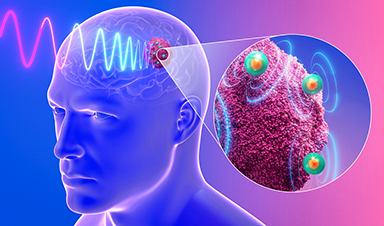
Injectable nanodevices could provide effective treatment for drug-resistant glioblastoma
The brain cancer glioblastoma is one of the most aggressive and treatment-resistant cancers known to medicine, carrying a median survival of just 12-15 months, even with the best available care. Now, researchers at the [...]
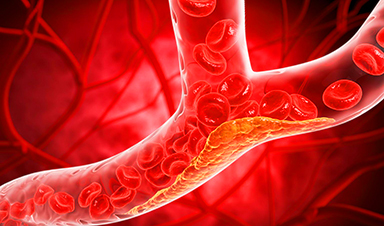
New Treatment Cuts “Bad” Cholesterol in Half for a Full Year
A single infusion of an experimental CRISPR-Cas9 therapy was reported to safely lower LDL cholesterol by 52.5% and triglycerides by 47.8%, as measured 12 months after treatment. What if one infusion could keep cholesterol [...]
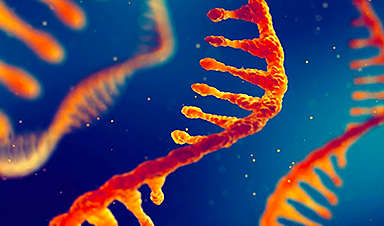
Too Much RNA Can Drain a Cell’s Energy, Scientists Discover
A virus may cripple a cell’s power supply simply by producing too much of a molecule the cell needs to survive. New research from the Texas A&M College of Veterinary Medicine and Biomedical Sciences [...]

West African scientists warn of weakening health systems and urge stronger outbreak detection
LOME, Togo (AP) — West African laboratory scientists called on governments Friday to strengthen capacity to detect disease outbreaks to avoid another major outbreak, saying health systems across the region are becoming weaker. Participants [...]

A Little-Known Protein Could Point to a New Way To Treat Alzheimer’s
A study suggests that increasing SORLA protein levels could help treat Alzheimer’s disease and other disorders involving tau protein. Increasing SORLA, a protein with a protective role in the brain, helped mice withstand damage [...]
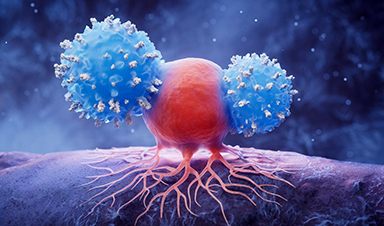
Cancer’s Hidden Antioxidant Shield Helps It Escape the Immune System
Blocking an antioxidant protein that tumors use to suppress immune attacks improved cancer immunotherapy responses in mice. Cancer cells can release antioxidants that interfere with the immune cells trying to kill them. Researchers have [...]

Scientists Find a Berry Compound That Helps Muscle Cells Burn Fat
Pterostilbene, a compound found naturally in some foods, affects how skeletal muscles process fats by stabilizing a protein called PPARδ and increasing its signaling activity. Pterostilbene, a natural compound found in blueberries, grapes, and [...]
Two Hidden Forces Help Build the Human Brain Before Birth
Scientists have uncovered two surprising forces that help guide how the human brain forms before birth. Before birth, the human brain is shaped in large part by an unusual class of stem cells known [...]

Researchers Uncover a Hidden Trigger Behind Chronic Inflammation
The findings offer new insights that could help guide the development of future therapies. A protein called human resistin may help flip on one of the immune system’s most powerful inflammatory switches. Researchers at [...]
Scientists Have Uncovered Previously Hidden Microbial Activity on Human Skin
The most abundant microbes on your skin may not be the ones doing most of the work. Human skin supports vast communities of bacteria, fungi, and viruses that can influence its protective barrier, immune [...]
Brazilian Tree Compounds Fight COVID-19 on Multiple Fronts
Scientists found compounds in a Brazilian tree that hit SARS-CoV-2 on multiple fronts, revealing a promising new lead in the search for COVID-19 treatments. Researchers have found that galloylquinic acids extracted from the leaves [...]
Cutting Two Amino Acids Slowed Prostate Cancer in Mice
A newly identified link between amino acid metabolism and cholesterol production may help prostate tumors adapt to hormone therapy. Prostate cancer can find ways around treatments designed to deprive tumors of the hormones they [...]
Largest-Ever Physics Survey Raises New Doubts About Our Model of the Universe
Physicists around the world remain deeply divided on key mysteries of the universe, from dark matter to quantum gravity. The standard cosmological model failed to gain majority support, and no leading theory dominated the [...]