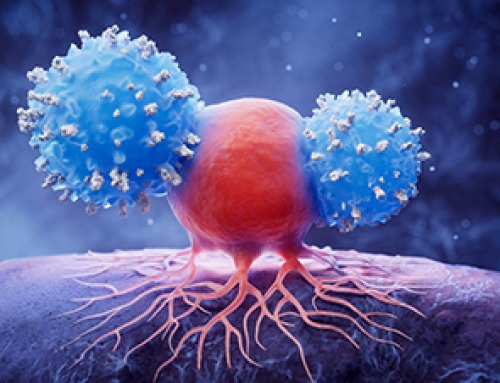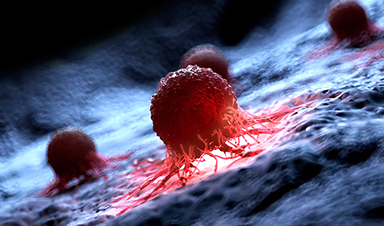
Scientists have uncovered a previously overlooked mechanism that may help melanoma cells become effectively "immortal."
Cancer cells face a major problem before they can become deadly: They have to figure out how to stop aging.
Scientists have uncovered one of melanoma's key tricks for solving that problem. Researchers at the University of Pittsburgh School of Medicine report that the skin cancer uses a previously overlooked genetic partnership to keep its cells effectively immortal, allowing tumors to continue dividing long after normal cells would shut down.
The findings, published in Science, help explain why melanoma often develops unusually long telomeres, the protective DNA caps at the ends of chromosomes that normally wear down over time. The study also points to a possible new weakness in cancer cells that future treatments could target.
"We did something that was, in essence, obvious based on previous basic research and connected back to something that is happening in patients," said Jonathan Alder, Ph.D., assistant professor in the Division of Pulmonary, Allergy and Critical Care Medicine at Pitt's School of Medicine.
Every time a healthy cell divides, its telomeres become slightly shorter. Scientists often compare telomeres to the plastic tips on shoelaces because they help protect chromosomes from fraying or breaking apart.
Eventually, telomeres shrink to a critical length, triggering a process called replicative senescence. At that point, the cell can no longer divide. This natural limit acts as one of the body's important defenses against cancer.
Tumors must bypass that barrier to survive.
Many cancers accomplish this by reactivating telomerase, an enzyme that rebuilds telomeres and extends a cell's lifespan. In melanoma, mutations in the TERT gene, which produces telomerase, are especially common. About 75% of melanoma tumors carry these mutations.
But there was a puzzle researchers could not explain.
Even though TERT mutations increase telomerase activity, they did not fully account for the exceptionally long telomeres seen in melanoma tumors. When scientists recreated those mutations in laboratory cells, the telomeres still did not match what was observed in patients.
That suggested melanoma had another mechanism helping it preserve its chromosomes.
The missing partner hiding in plain sight
The breakthrough came when Pattra Chun-on, M.D., an internist and Ph.D. student in Alder's lab, focused on another gene called ACD, which produces a telomere-binding protein known as TPP1.
TPP1 is part of the "shelterin" complex, a group of proteins that protects telomeres and helps control access to them. One of TPP1's jobs is recruiting telomerase to chromosome ends.
While studying melanoma mutation databases, the researchers discovered recurring mutations in the promoter region of the ACD gene. Promoters are stretches of DNA that control how strongly a gene is turned on or off.
The mutations resembled the same type of promoter alterations already known to activate TERT. Both created new docking sites for ETS transcription factors, proteins that boost gene activity.
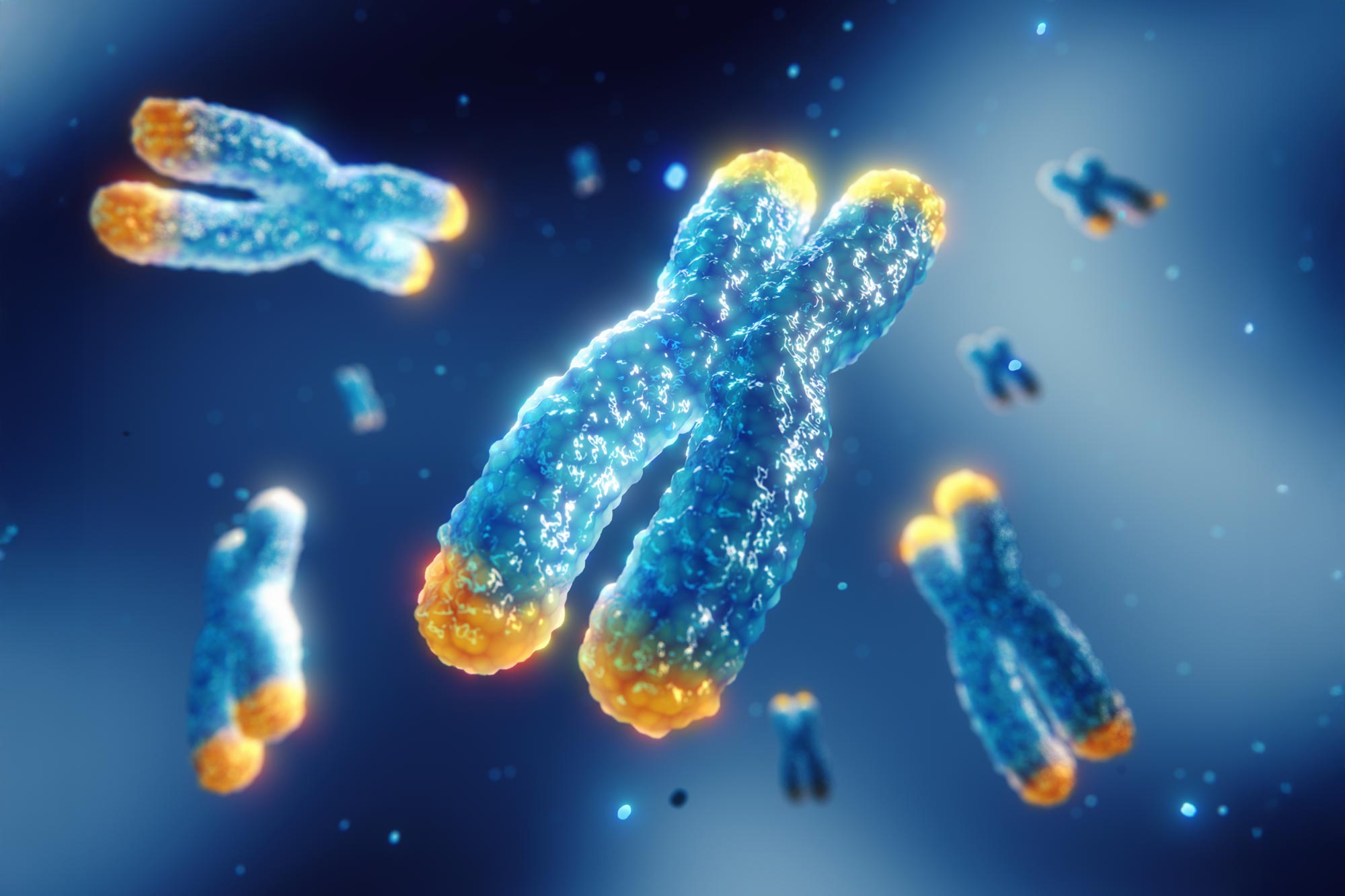
In effect, melanoma cells had evolved a two-part strategy. One mutation increased telomerase production through TERT, while the other improved the cell's ability to bring telomerase directly to telomeres through TPP1.
Together, the effects were far stronger than either mutation alone.
When the researchers introduced both mutated genes into cells, telomeres lengthened dramatically, closely matching the unusually long telomeres seen in melanoma tumors.
"Biochemists more than a decade before us showed that TPP1 increases the activity of telomerase in a test tube, but we never knew that this actually happened clinically," he said.
A discovery driven by persistence
Alder credited much of the breakthrough to Chun-on's determination.
"The fun part of this story is when Pattra joined my lab," Alder said. "She contacted me and told me that she was interested in studying cancer. I told her that I study short telomeres and not long telomeres. This went on until I realized that Pattra would never take 'no' for an answer."
Chun-on, who is also part of a Ph.D. program in the Department of Environmental and Occupational Health at Pitt's School of Public Health, ultimately helped identify the missing factor scientists had been searching for.
Lead author Pattra Chun-on later expanded on the findings in her 2023 Ph.D. dissertation at the University of Pittsburgh, which examined how melanoma cells use mutations in the TPP1 gene to maintain telomeres and bypass cellular aging. Her dissertation explored in greater detail how TPP1 mutations may cooperate with telomerase-related TERT mutations to help drive melanoma immortality.
Why melanoma may depend so heavily on telomeres
Melanoma develops from melanocytes, the pigment-producing cells in skin. These cells are routinely exposed to ultraviolet radiation from sunlight, which causes DNA damage over time.
Researchers believe melanocytes may face particularly intense pressure to maintain chromosome stability as mutations accumulate, making telomere control especially important in melanoma development.
"There's some special link between melanoma and telomere maintenance," said Alder. "For a melanocyte to transform into cancer, one of the biggest hurdles is to immortalize itself. Once it can do that, it's well on its way to cancer."
The study found that mutations in the TPP1 promoter appear in about 5% of cutaneous melanoma cases and frequently occur alongside TERT mutations instead of replacing them. That pattern suggests the mutations cooperate to help cancer cells overcome the normal limits on cell division.
A potential new target for cancer therapy
The discovery could eventually influence cancer treatment strategies.
Most healthy adult cells keep telomerase activity switched off, while cancer cells often depend on it for survival. By identifying a second component that helps melanoma sustain telomeres, researchers may have uncovered another potential therapeutic target.
Reference: "TPP1 promoter mutations cooperate with TERT promoter mutations to lengthen telomeres in melanoma" by Pattra Chun-on, Angela M. Hinchie, Holly C. Beale, Agustin A . Gil Silva, Elizabeth Rush, Cindy Sander, Carla J. Connelly, Brittani K.N. Seynnaeve, John M. Kirkwood, Olena M. Vaske, Carol W. Greider and Jonathan K. Alder, 10 November 2022, Science.
DOI: 10.1126/science.abq0607

News – Curated by Amanda Scott, Alias Group Creative
Follow her on Bluesky

Back and shoulder surgery is often worse than useless
Millions of operations should be scrapped SIX IN TEN Britons have surgery at some point. So do lots of Americans, at a cost of perhaps $500bn a year, a third of all spending on [...]
Cocaine plays with mind, hijacks brain circuit, drives increasingly rigid and repetitive behavior
Researchers have found that cocaine hijacks brain circuit, which to drive increasingly rigid and repetitive behavior. The brain circuit that normally participates in selecting natural mouth and face movements, but which becomes disproportionately engaged [...]
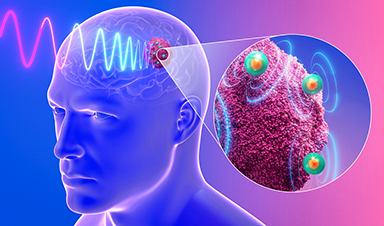
Injectable nanodevices could provide effective treatment for drug-resistant glioblastoma
The brain cancer glioblastoma is one of the most aggressive and treatment-resistant cancers known to medicine, carrying a median survival of just 12-15 months, even with the best available care. Now, researchers at the [...]
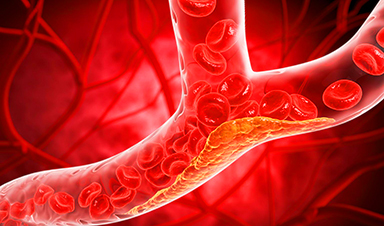
New Treatment Cuts “Bad” Cholesterol in Half for a Full Year
A single infusion of an experimental CRISPR-Cas9 therapy was reported to safely lower LDL cholesterol by 52.5% and triglycerides by 47.8%, as measured 12 months after treatment. What if one infusion could keep cholesterol [...]

Too Much RNA Can Drain a Cell’s Energy, Scientists Discover
A virus may cripple a cell’s power supply simply by producing too much of a molecule the cell needs to survive. New research from the Texas A&M College of Veterinary Medicine and Biomedical Sciences [...]

West African scientists warn of weakening health systems and urge stronger outbreak detection
LOME, Togo (AP) — West African laboratory scientists called on governments Friday to strengthen capacity to detect disease outbreaks to avoid another major outbreak, saying health systems across the region are becoming weaker. Participants [...]

A Little-Known Protein Could Point to a New Way To Treat Alzheimer’s
A study suggests that increasing SORLA protein levels could help treat Alzheimer’s disease and other disorders involving tau protein. Increasing SORLA, a protein with a protective role in the brain, helped mice withstand damage [...]
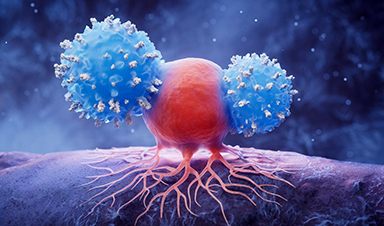
Cancer’s Hidden Antioxidant Shield Helps It Escape the Immune System
Blocking an antioxidant protein that tumors use to suppress immune attacks improved cancer immunotherapy responses in mice. Cancer cells can release antioxidants that interfere with the immune cells trying to kill them. Researchers have [...]

Scientists Find a Berry Compound That Helps Muscle Cells Burn Fat
Pterostilbene, a compound found naturally in some foods, affects how skeletal muscles process fats by stabilizing a protein called PPARδ and increasing its signaling activity. Pterostilbene, a natural compound found in blueberries, grapes, and [...]

Two Hidden Forces Help Build the Human Brain Before Birth
Scientists have uncovered two surprising forces that help guide how the human brain forms before birth. Before birth, the human brain is shaped in large part by an unusual class of stem cells known [...]

Researchers Uncover a Hidden Trigger Behind Chronic Inflammation
The findings offer new insights that could help guide the development of future therapies. A protein called human resistin may help flip on one of the immune system’s most powerful inflammatory switches. Researchers at [...]
Scientists Have Uncovered Previously Hidden Microbial Activity on Human Skin
The most abundant microbes on your skin may not be the ones doing most of the work. Human skin supports vast communities of bacteria, fungi, and viruses that can influence its protective barrier, immune [...]
Brazilian Tree Compounds Fight COVID-19 on Multiple Fronts
Scientists found compounds in a Brazilian tree that hit SARS-CoV-2 on multiple fronts, revealing a promising new lead in the search for COVID-19 treatments. Researchers have found that galloylquinic acids extracted from the leaves [...]
Cutting Two Amino Acids Slowed Prostate Cancer in Mice
A newly identified link between amino acid metabolism and cholesterol production may help prostate tumors adapt to hormone therapy. Prostate cancer can find ways around treatments designed to deprive tumors of the hormones they [...]

Largest-Ever Physics Survey Raises New Doubts About Our Model of the Universe
Physicists around the world remain deeply divided on key mysteries of the universe, from dark matter to quantum gravity. The standard cosmological model failed to gain majority support, and no leading theory dominated the [...]

Scientists Just Overturned a 100-Year-Old Belief About Bacteria in the Lungs
New findings raise questions about the role of microbes living in the lungs. More than 35 trillion bacteria live throughout the human body, forming microbiomes in the gut, mouth, lungs, skin, and urogenital tract. [...]