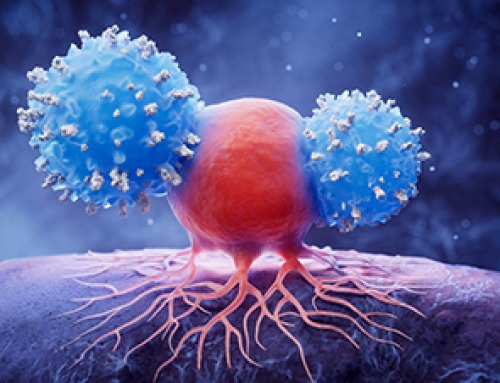
Last month marked continued progress as digital health moves into its next phase — from AI expanding into drug discovery and core infrastructure to new federal pathways accelerating device access and home-based care. Together, these shifts signal a turning point toward real-world scale.
Here’s a closer look at the key developments driving that momentum.
Technology, News, and Insights
CMS Launches First Wave of HealthTech Ecosystem Tools, Fast‑Tracking a Fully Digital, Patient‑Centered Health System
CMS introduced the first wave of its HealthTech Ecosystem initiative, rolling out new interoperable tools, a Medicare app library, and patient-facing applications designed to streamline how individuals access and manage their health data. The effort brings together hundreds of organizations aligned around shared standards for identity, security, and data exchange.
Read the full CMS press release here >>
Self-Powering Smart Fabrics Signal Next Phase of Wearables
Researchers are developing sensor-embedded fabrics that can track health metrics like heart rate, respiration, and temperature while generating power from body heat and movement. The technology could be integrated into everyday clothing, yoga mats, wristbands, or even bedsheets, enabling continuous tracking without the need for charging or standalone devices.
This points to a broader shift from device-based wearables to ambient health monitoring, where data collection becomes passive, always-on, and embedded into daily life.
Read the full TechRadar article here >>
OpenAI Partners with Novo Nordisk to Accelerate AI-Driven Drug Discovery
Novo Nordisk announced a strategic partnership with OpenAI to integrate advanced AI across its drug development pipeline, using large-scale data analysis to identify new drug candidates and accelerate time from research to patient delivery. The collaboration will also extend into manufacturing, supply chain, and commercial operations, signaling a broader shift toward end-to-end AI integration in pharma.
Read the full MobiHealthNews article here >>
Policy and Regulatory
FDA to Review Peptides for Potential Compounding Access in July Advisory Meeting
The FDA announced it will convene the Pharmacy Compounding Advisory Committee (PCAC) on July 23–24 to evaluate whether seven peptides should be added to the 503A bulk drug substances list. A key step that would allow licensed 503A pharmacies to compound them with a valid, patient-specific prescription. The substances under review include peptides tied to conditions like obesity, wound healing, inflammation, and sleep disorders.
Read the full FDA announcement here >>
FDA Launches READI-Home Innovation Challenge to Advance Home-Based Care
The FDA introduced the READI-Home Innovation Challenge, a new initiative aimed at accelerating development of medical devices designed for use in the home to reduce hospital readmissions. The program invites innovators to submit technologies that support patients and caregivers following acute care episodes, with a focus on improving outcomes and preventing avoidable returns to the hospital.
Read the full FDA announcement here >>
CMS and FDA announce RAPID Pathway to Accelerate Medical Device Coverage
CMS and the FDA introduced the RAPID (Regulatory Alignment for Predictable and Immediate Device) coverage pathway, designed to speed up Medicare access to breakthrough medical devices by aligning regulatory approval and reimbursement processes. The program enables earlier collaboration between regulators and manufacturers so that clinical evidence generated for FDA review can also support Medicare coverage decisions.
Read the full FDA announcement here >>
DOJ Moves to Reclassify Medical Marijuana, Expanding Access and Research Pathways
The Department of Justice announced it will place FDA-approved and state-regulated medical marijuana products into Schedule III, a move that recognizes their medical use while maintaining federal oversight. The decision expands access to approved therapies, supports state programs, and enables broader research into safety and efficacy — alongside an expedited process to evaluate full federal rescheduling.
Read the full DOJ announcement here >>
Read more at Openloop!

News – Curated by Amanda Scott, Alias Group Creative
Follow her on Bluesky

Back and shoulder surgery is often worse than useless
Millions of operations should be scrapped SIX IN TEN Britons have surgery at some point. So do lots of Americans, at a cost of perhaps $500bn a year, a third of all spending on [...]
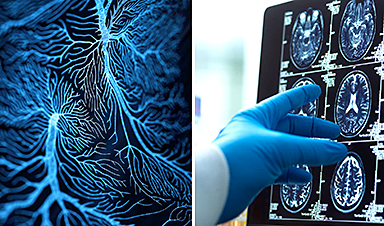
Cocaine plays with mind, hijacks brain circuit, drives increasingly rigid and repetitive behavior
Researchers have found that cocaine hijacks brain circuit, which to drive increasingly rigid and repetitive behavior. The brain circuit that normally participates in selecting natural mouth and face movements, but which becomes disproportionately engaged [...]
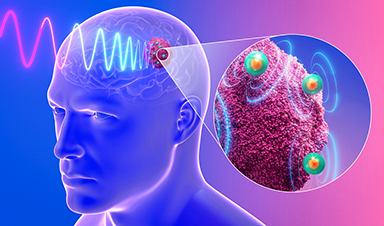
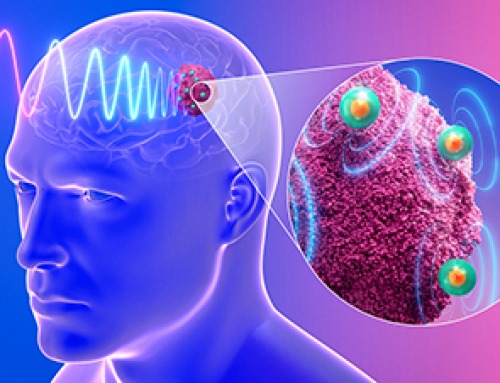
Injectable nanodevices could provide effective treatment for drug-resistant glioblastoma
The brain cancer glioblastoma is one of the most aggressive and treatment-resistant cancers known to medicine, carrying a median survival of just 12-15 months, even with the best available care. Now, researchers at the [...]
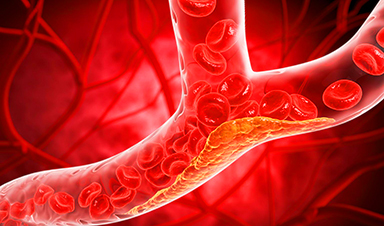
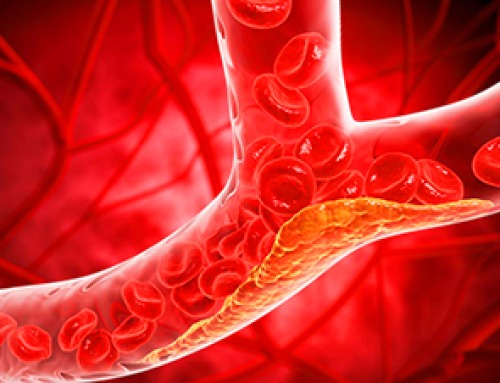
New Treatment Cuts “Bad” Cholesterol in Half for a Full Year
A single infusion of an experimental CRISPR-Cas9 therapy was reported to safely lower LDL cholesterol by 52.5% and triglycerides by 47.8%, as measured 12 months after treatment. What if one infusion could keep cholesterol [...]

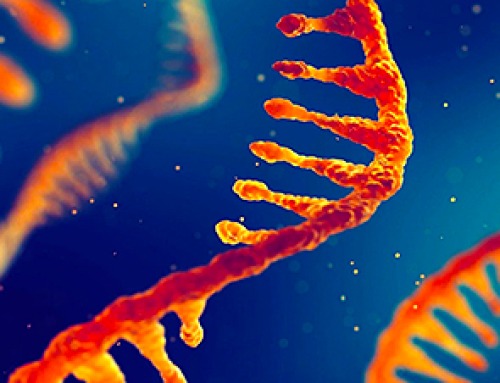
Too Much RNA Can Drain a Cell’s Energy, Scientists Discover
A virus may cripple a cell’s power supply simply by producing too much of a molecule the cell needs to survive. New research from the Texas A&M College of Veterinary Medicine and Biomedical Sciences [...]

West African scientists warn of weakening health systems and urge stronger outbreak detection
LOME, Togo (AP) — West African laboratory scientists called on governments Friday to strengthen capacity to detect disease outbreaks to avoid another major outbreak, saying health systems across the region are becoming weaker. Participants [...]

A Little-Known Protein Could Point to a New Way To Treat Alzheimer’s
A study suggests that increasing SORLA protein levels could help treat Alzheimer’s disease and other disorders involving tau protein. Increasing SORLA, a protein with a protective role in the brain, helped mice withstand damage [...]
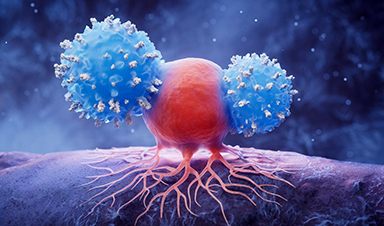
Cancer’s Hidden Antioxidant Shield Helps It Escape the Immune System
Blocking an antioxidant protein that tumors use to suppress immune attacks improved cancer immunotherapy responses in mice. Cancer cells can release antioxidants that interfere with the immune cells trying to kill them. Researchers have [...]

Scientists Find a Berry Compound That Helps Muscle Cells Burn Fat
Pterostilbene, a compound found naturally in some foods, affects how skeletal muscles process fats by stabilizing a protein called PPARδ and increasing its signaling activity. Pterostilbene, a natural compound found in blueberries, grapes, and [...]

Two Hidden Forces Help Build the Human Brain Before Birth
Scientists have uncovered two surprising forces that help guide how the human brain forms before birth. Before birth, the human brain is shaped in large part by an unusual class of stem cells known [...]
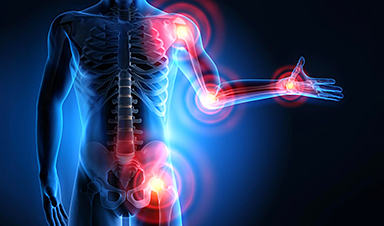
Researchers Uncover a Hidden Trigger Behind Chronic Inflammation
The findings offer new insights that could help guide the development of future therapies. A protein called human resistin may help flip on one of the immune system’s most powerful inflammatory switches. Researchers at [...]
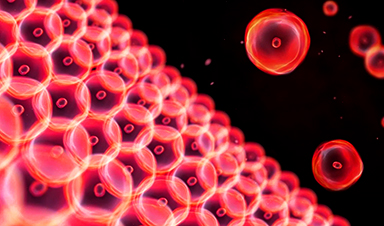
Scientists Have Uncovered Previously Hidden Microbial Activity on Human Skin
The most abundant microbes on your skin may not be the ones doing most of the work. Human skin supports vast communities of bacteria, fungi, and viruses that can influence its protective barrier, immune [...]
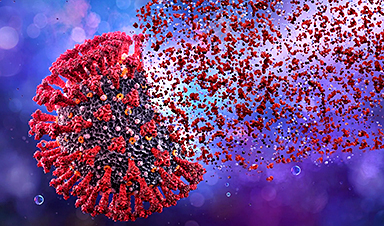
Brazilian Tree Compounds Fight COVID-19 on Multiple Fronts
Scientists found compounds in a Brazilian tree that hit SARS-CoV-2 on multiple fronts, revealing a promising new lead in the search for COVID-19 treatments. Researchers have found that galloylquinic acids extracted from the leaves [...]

Cutting Two Amino Acids Slowed Prostate Cancer in Mice
A newly identified link between amino acid metabolism and cholesterol production may help prostate tumors adapt to hormone therapy. Prostate cancer can find ways around treatments designed to deprive tumors of the hormones they [...]

Largest-Ever Physics Survey Raises New Doubts About Our Model of the Universe
Physicists around the world remain deeply divided on key mysteries of the universe, from dark matter to quantum gravity. The standard cosmological model failed to gain majority support, and no leading theory dominated the [...]

Scientists Just Overturned a 100-Year-Old Belief About Bacteria in the Lungs
New findings raise questions about the role of microbes living in the lungs. More than 35 trillion bacteria live throughout the human body, forming microbiomes in the gut, mouth, lungs, skin, and urogenital tract. [...]