Researchers have developed a targeted approach to combat periodontitis without disrupting the natural balance of the oral microbiome. The innovation could reshape how gum disease is treated while preserving beneficial bacteria.
The human mouth contains a remarkably complex community of more than 700 bacterial species, yet only a small fraction are responsible for periodontitis. These harmful microbes collect in dental plaque, especially along the gum line, where they trigger inflammation known as gingivitis.
If this inflammation becomes chronic, it can progress to periodontitis, a condition linked not only to gum recession and tooth loss but also to broader health risks. When disease-causing bacteria enter the bloodstream, they have been associated with conditions such as diabetes, rheumatic disease, arthritis, cardiovascular disease, chronic inflammatory bowel disease, and even Alzheimer's disease.
Traditional oral care products, including alcohol based mouthwashes and those containing chlorhexidine, kill harmful bacteria but also wipe out beneficial microorganisms. As the oral microbiome rebuilds after treatment, pathogens such as Porphyromonas gingivalis often recover more quickly because inflamed gum tissue provides an environment in which they thrive. Beneficial bacteria grow back more slowly, and the microbial balance can quickly shift again into dysbiosis, increasing the likelihood that disease will return.
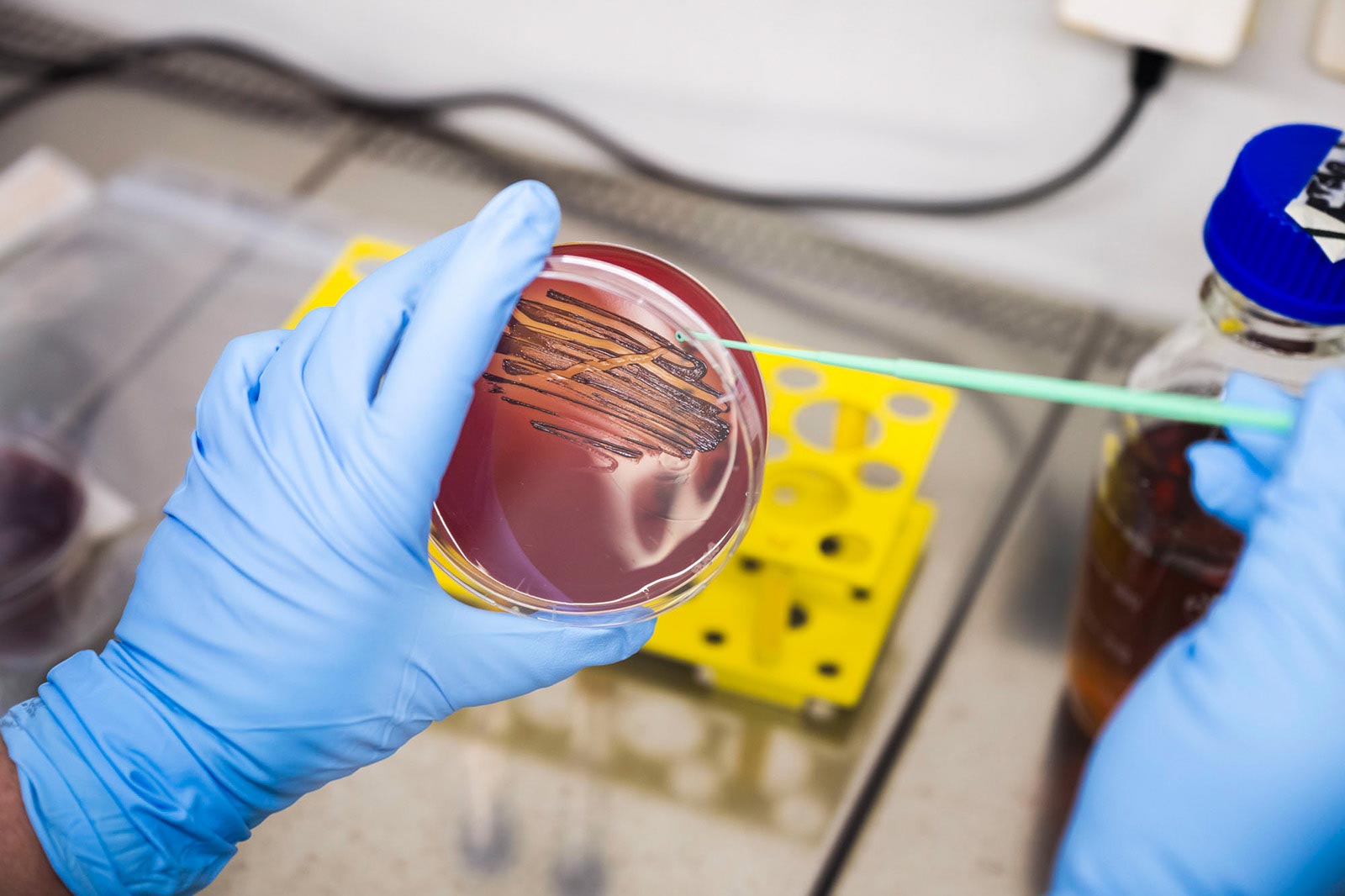
At the Halle branch of the Fraunhofer Institute for Cell Therapy and Immunology IZI, researchers have identified a compound that specifically targets pathogens like Porphyromonas gingivalis without disturbing the broader microbial community.
Stephan Schilling, Head of the Fraunhofer IZI branch Molecular Drug Biochemistry and Therapy Development, describes how the compound, called guanidinoethylbenzylamino imidazopyridine acetate, works: "Rather than simply killing gingivitis pathogens, it inhibits their growth. They are unable to exert their toxic effects, so beneficial bacteria can occupy niches that would otherwise be inaccessible to them. In this way, the substance works in harmony with healthy bacteria to gently rebuild and stabilize the microbial balance in the mouth," says Schilling.
From concept to product
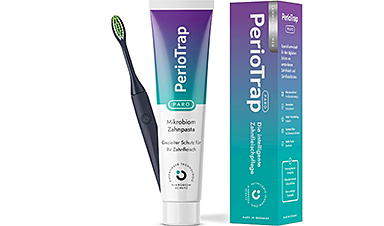
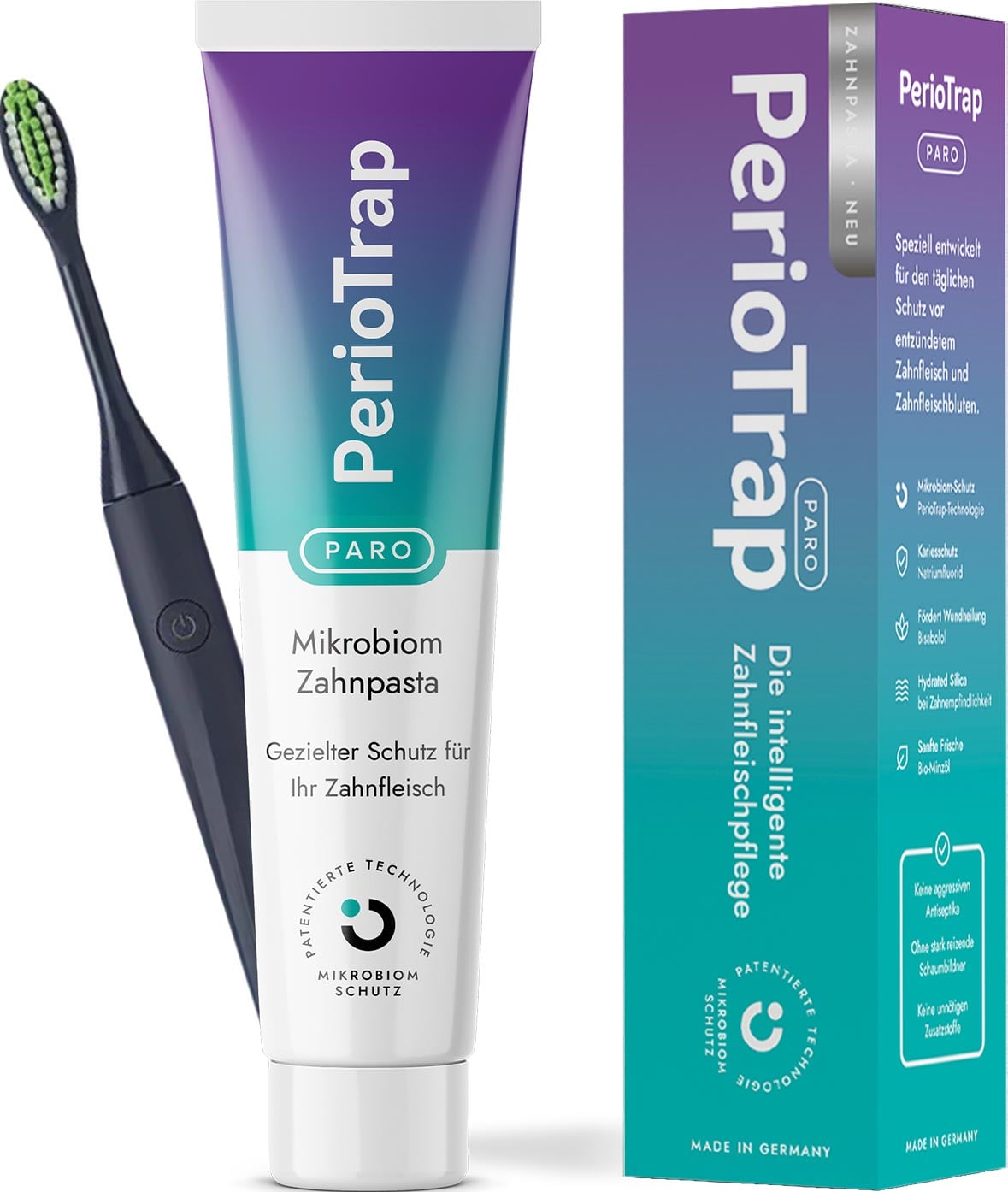
The foundation for this technology was laid through an EU funded research project involving international partners. In 2018, the spin off company Periotrap Pharmaceuticals GmbH was established in Halle to translate the research into practical oral care solutions. Working closely with Fraunhofer IZI and the Fraunhofer Institute for Microstructure of Materials and Systems IMWS, PerioTrap developed a microbiome friendly toothpaste. "The product is designed to prevent periodontitis. Like conventional toothpaste, it also contains abrasives and fluoride to prevent tooth decay," explains Mirko Buchholz, one of the founders.
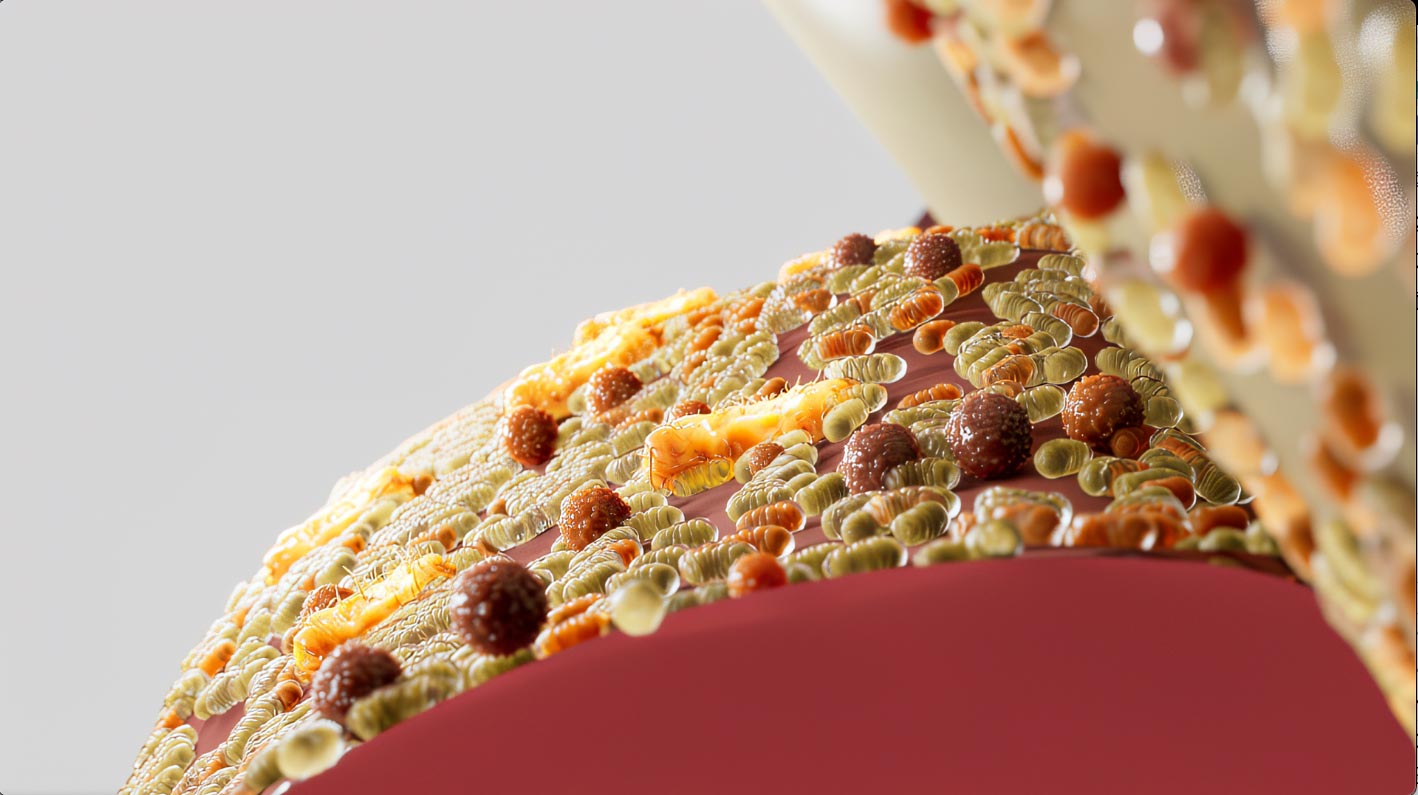
Transforming the laboratory discovery into a usable ingredient required extensive testing. The active compound had to effectively block harmful bacteria without being toxic, avoid entering the bloodstream, and prevent unwanted side effects such as tooth discoloration. Researchers at Fraunhofer IZI carried out biochemical and structural biology studies to refine the formulation.
"This allows us to gain a better understanding of how the substances work and determine the optimum composition of the toothpaste's active ingredients," Schilling explains. The institute draws on longstanding expertise in identifying and evaluating compounds that target disease mechanisms and infectious agents.
Fraunhofer IMWS contributed its materials science capabilities by examining how each formulation interacted with teeth and gum tissue. Andreas Kiesow, Group Manager Characterization of Medical and Cosmetic Care Products, explains: "Scanning electron microscopy, chemical characterization, and quantitative measurements enable us to draw detailed conclusions about a substance's compatibility and function. To put it simply: We ultimately find out whether the toothpaste works or not."
Quality ensured by Good Laboratory Practice (GLP)
All research was conducted in accordance with Good Laboratory Practice (GLP) standards, which require rigorous, officially recognized testing procedures. These standards ensure that results are accepted by national and international authorities. "Compliance with GLP guidelines was a key element of the project. We didn't just develop a good toothpaste with a new ingredient: we developed a high-quality oral care product of medical grade standard," says Schilling.
Development continues beyond toothpaste. In collaboration with the Fraunhofer institutes, PerioTrap has also created a care gel designed for use after professional dental cleaning. The gel is intended to suppress pathogenic bacteria, stabilize the oral microbiome, and maintain healthy gum tissue.
Additional products are in progress, including a mouthwash and other oral care applications. The technology may also extend to veterinary care, as periodontitis in dogs and cats arises from similar biological mechanisms, opening the door to future pet care products.
SciTechDaily is not affiliated with PerioTrap Pharmaceuticals GmbH, Fraunhofer IZI/IMWS, or any related company. This article is editorial content and was not sponsored. Content is for informational purposes only and does not constitute medical advice or an endorsement.

News
New Toothpaste Stops Gum Disease Without Harming Healthy Bacteria
Researchers have developed a targeted approach to combat periodontitis without disrupting the natural balance of the oral microbiome. The innovation could reshape how gum disease is treated while preserving beneficial bacteria. The human mouth [...]

Plastic Without End: Are We Polluting the Planet for Eternity?
The Kunming Montreal Global Biodiversity Framework calls for the elimination of plastic pollution by 2030. If that goal has been clearly set, why have meaningful measures that create real change still not been implemented? [...]
Scientists Rewire Natural Killer Cells To Attack Cancer Faster and Harder
Researchers tested new CAR designs in NK-92 cells and found the modified cells killed tumor cells more effectively, showing stronger anti-cancer activity. Researchers at the Ribeirão Preto Blood Center and the Center for Cell-Based [...]
New “Cellular” Target Could Transform How We Treat Alzheimer’s Disease
A new study from researchers highlights an unexpected player in Alzheimer’s disease: aging astrocytes. Senescent astrocytes have been identified as a major contributor to Alzheimer’s progression. The cells lose protective functions and fuel inflammation, particularly in [...]
Treating a Common Dental Infection… Effects That Extend Far Beyond the Mouth
Successful root canal treatment may help lower inflammation associated with heart disease and improve blood sugar and cholesterol levels. Treating an infected tooth with a successful root canal procedure may do more than relieve [...]
Microplastics found in prostate tumors in small study
In a new study, researchers found microplastics deep inside prostate cancer tumors, raising more questions about the role the ubiquitous pollutants play in public health. The findings — which come from a small study of 10 [...]

All blue-eyed people have this one thing in common
All Blue-Eyed People Have This One Thing In Common Blue Eyes Aren’t Random—Research Traces Them Back to One Prehistoric Human It sounds like a myth at first — something you’d hear in a folklore [...]
Scientists reveal how exercise protects the brain from Alzheimer’s
Researchers at UC San Francisco have identified a biological process that may explain why exercise sharpens thinking and memory. Their findings suggest that physical activity strengthens the brain's built in defense system, helping protect [...]

NanoMedical Brain/Cloud Interface – Explorations and Implications. A new book from Frank Boehm
New book from Frank Boehm, NanoappsMedical Inc Founder: This book explores the future hypothetical possibility that the cerebral cortex of the human brain might be seamlessly, safely, and securely connected with the Cloud via [...]
Deadly Pancreatic Cancer Found To “Wire Itself” Into the Body’s Nerves
A newly discovered link between pancreatic cancer and neural signaling reveals a promising drug target that slows tumor growth by blocking glutamate uptake. Pancreatic cancer is among the most deadly cancers, and scientists are [...]

This Simple Brain Exercise May Protect Against Dementia for 20 Years
A long-running study following thousands of older adults suggests that a relatively brief period of targeted brain training may have effects that last decades. Starting in the late 1990s, close to 3,000 older adults [...]
Scientists Crack a 50-Year Tissue Mystery With Major Cancer Implications
Researchers have resolved a 50-year-old scientific mystery by identifying the molecular mechanism that allows tissues to regenerate after severe damage. The discovery could help guide future treatments aimed at reducing the risk of cancer [...]

This New Blood Test Can Detect Cancer Before Tumors Appear
A new CRISPR-powered light sensor can detect the faintest whispers of cancer in a single drop of blood. Scientists have created an advanced light-based sensor capable of identifying extremely small amounts of cancer biomarkers [...]

Blindness Breakthrough? This Snail Regrows Eyes in 30 Days
A snail that regrows its eyes may hold the genetic clues to restoring human sight. Human eyes are intricate organs that cannot regrow once damaged. Surprisingly, they share key structural features with the eyes [...]
This Is Why the Same Virus Hits People So Differently
Scientists have mapped how genetics and life experiences leave lasting epigenetic marks on immune cells. The discovery helps explain why people respond so differently to the same infections and could lead to more personalized [...]
Rejuvenating neurons restores learning and memory in mice
EPFL scientists report that briefly switching on three “reprogramming” genes in a small set of memory-trace neurons restored memory in aged mice and in mouse models of Alzheimer’s disease to level of healthy young [...]