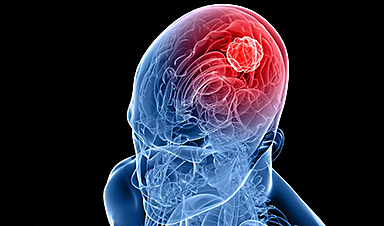
Researchers have identified a molecule that disrupts a critical gene in glioblastoma.
Scientists at the UVA Comprehensive Cancer Center say they have found a small molecule that can shut down a gene tied to glioblastoma, a discovery that could eventually point to a new way to treat this aggressive brain cancer.
The finding comes from the lab of Hui Li, PhD, who previously identified the "oncogene" that helps drive glioblastoma. In a new study published in Science Translational Medicine, Li reports that the newly identified compound blocked the gene's activity in both cell samples and laboratory mice. In the mouse experiments, the molecule worked without causing harmful side effects.
The research is still at an early stage, and the team emphasizes that much more work is needed before the approach could be considered for patients. Even so, Li says the results hint at something especially important for glioblastoma: slowing a tumor that spreads by infiltrating healthy brain tissue rather than staying in one clearly defined mass.
"Glioblastoma is a devastating disease. Essentially, no effective therapy exists," said Li, of the University of Virginia School of Medicine's Department of Pathology. "What's novel here is that we're targeting a protein that GBM cells uniquely depend on, and we can do it with a small molecule that has clear in vivo activity. To our knowledge, this pathway hasn't been therapeutically exploited before."

About Glioblastoma
Glioblastoma grows quickly and is almost always fatal. After diagnosis, average survival is about 15 months, and more than 14,000 Americans are diagnosed each year. Doctors often begin with surgery, but the cancer spreads through brain tissue in a way that makes complete removal extremely difficult.
Li hopes this line of work can help fill that gap by going after a specific genetic driver. In 2020, his team pinpointed the oncogene, a cancer-causing gene, behind glioblastoma. The gene, AVIL, normally helps cells maintain their size and shape, but the researchers found it can be pushed into an overactive state by a variety of factors, setting the stage for cancer cells to form and spread.
Earlier experiments showed that blocking AVIL activity could wipe out glioblastoma cells in laboratory mice without harming healthy cells. The problem was practicality: the method used to prove that point in the lab was not suitable for people. That challenge is what sent the researchers searching for a molecule that could interrupt the gene's harmful effects in a drug-like way.
Finding a Promising Molecule
Their pursuit has confirmed the role of AVIL in glioblastoma. The researchers found that the protein the gene produces is hardly found in the healthy human brain but is abundant in patients with glioblastoma.
The scientists used a technique called "high-throughput screening" to quickly and efficiently evaluate many compounds for their potential to block AVIL activity. The molecule they have found appears to affect only tumor cells, sparing healthy brain tissue. Further, the molecule can cross the brain's protective barrier that keeps out many potential treatments for neurological diseases.
Before the compound could become available for patients, much additional research will need to be done to optimize the molecule for use in people. If all goes according to plan, the resulting drug would then be tested extensively in human volunteers before the federal Food and Drug Administration decides whether it is sufficiently safe and effective to be offered as a treatment.
While there is much more work to be done, Li and his colleagues are excited by the promise of their latest findings.
"GBM patients desperately need better options. Standard therapy hasn't fundamentally changed in decades, and survival remains dismal," he said. "Our goal is to bring an entirely new mechanism of action into the clinic — one that targets a core vulnerability in glioblastoma biology."
Reference: "A first-in-class small-molecule inhibitor targeting AVIL exhibits safety and antitumor efficacy in preclinical models of glioblastoma" by Zhongqiu Xie, Pawel Ł. Janczyk, Robert Cornelison, Sarah Lynch, Martyna Glowczyk-Gluc, Becky Leifer, Yiwei Wang, Philip Hahn, Johnathon D. Dooley, Adelaide Fierti, Xinrui Shi, Yiyu Zhang, Tingxuan Li, Qiong Wang, Zhi Zhang, Laine Marrah, Angela Koehler, James W. Mandell, Michael Hilinski and Hui Li, 28 January 2026, Science Translational Medicine.
DOI: 10.1126/scitranslmed.adt1211
The research was supported by the National Institutes of Health, grants R01CA240601 and R01CA269594, and by the Ben & Catherine Ivy Foundation.
Li has founded a company, AVIL Therapeutics, to develop AVIL inhibitors. He and Xie also have obtained a patent related to the approach.

News

Molecular Manufacturing: The Future of Nanomedicine – New book from NanoappsMedical Inc.
This book explores the revolutionary potential of atomically precise manufacturing technologies to transform global healthcare, as well as practically every other sector across society. This forward-thinking volume examines how envisaged Factory@Home systems might enable the cost-effective [...]

Ancient bacteria strain discovered in ice cave is resistant to some modern antibiotics
In the depths of Scarisoara cave in Romania sits one of the world’s biggest underground glaciers, a monumental slab of ice the size of roughly 40 Olympic swimming pools that began to form around [...]

Scientists Identify “Good” Bacteria That May Prevent Long COVID
According to the WHO, about 6% of people worldwide who get COVID-19, roughly 400 million people, later develop a long-lasting form of the illness. That shows the condition remains a significant public health challenge. In [...]

New book from Nanoappsmedical Inc. – Global Health Care Equivalency
A new book by Frank Boehm, NanoappsMedical Inc. Founder. This groundbreaking volume explores the vision of a Global Health Care Equivalency (GHCE) system powered by artificial intelligence and quantum computing technologies, operating on secure [...]
RNA Recycling Extends Lifespan
Summary: Researchers discovered a biological “trash disposal” mechanism that directly controls how fast we age. While circular RNA has long been known to accumulate in cells as we get older, this study proves for the [...]
Cancer’s Deadly Paradox: How Tumors Break Their Own DNA To Keep Growing
Cancer’s strongest gene switches push DNA into damaging overdrive, creating repeated breaks and repairs that may fuel tumor evolution while exposing possible therapeutic weak spots. A new study indicates that cancer can harm its own genetic [...]

NanoMedical Brain/Cloud Interface – Explorations and Implications. A new book from Frank Boehm
New book from Frank Boehm, NanoappsMedical Inc Founder: This book explores the future hypothetical possibility that the cerebral cortex of the human brain might be seamlessly, safely, and securely connected with the Cloud via [...]
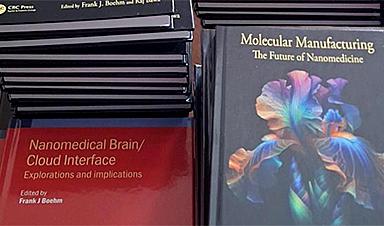
Our books now available worldwide!
Online Sellers other than Amazon, Routledge, and IOPP Indigo Global Health Care Equivalency in the Age of Nanotechnology, Nanomedicine and Artifcial Intelligence Global Health Care Equivalency In The Age Of Nanotechnology, Nanomedicine And Artificial [...]
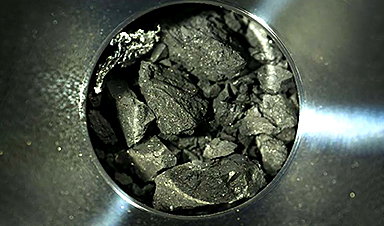
Ryugu asteroid samples contain all DNA and RNA building blocks, bolstering origin-of-life theories
All the essential ingredients to make the DNA and RNA underpinning life on Earth have been discovered in samples collected from the asteroid Ryugu, scientists said Monday. The discovery comes after these building blocks [...]

Is Berberine Really a “Natural Ozempic”?
Often labeled a “natural Ozempic,” berberine is widely discussed as a metabolic aid. Yet research suggests its influence may lie deeper. In recent years, berberine has gained significant attention as a supposed “natural way” [...]
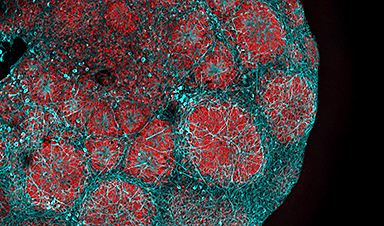
Viagra Ingredient Shows Promise for Rare Childhood Brain Disease in Surprising Study
A rare childhood disease with no approved treatment may have an unexpected new therapeutic candidate. Sildenafil, the active ingredient also sold under the brand name Viagra, may help reduce symptoms in people with Leigh [...]

In a first for China, Neuracle’s implantable brain-computer interface wins approval
In a landmark development, Neuracle Medical Technology has secured the country’s first-ever approval for an implantable brain-computer interface (BCI) system designed to restore hand motor function in patients with spinal cord injuries, in a [...]
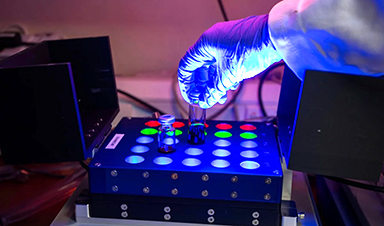
A Cambridge Lab Mistake Reveals a Powerful New Way to Modify Drug Molecules
A surprising lab discovery reveals a light-powered way to tweak complex drugs faster, cleaner, and later in development. Researchers at the University of Cambridge have created a new technique for altering complex drug molecules [...]
New book from NanoappsMedical Inc – Molecular Manufacturing: The Future of Nanomedicine
This book explores the revolutionary potential of atomically precise manufacturing technologies to transform global healthcare, as well as practically every other sector across society. This forward-thinking volume examines how envisaged Factory@Home systems might enable the cost-effective [...]

Scientists Discover Simple Saliva Test That Reveals Hidden Diabetes Risk
Researchers have identified a potential new way to assess metabolic health using saliva instead of blood. High insulin levels in the blood, known as hyperinsulinemia, can reveal metabolic problems long before obvious symptoms appear. It is [...]

One Nasal Spray Could Protect Against COVID, Flu, Pneumonia, and More
A single nasal spray vaccine may one day protect against viruses, pneumonia, and even allergies. For decades, scientists have dreamed of creating a universal vaccine capable of protecting against many different pathogens. The idea [...]