COVID-19 viral fragments shown to target and kill specific immune cells in UCLA-led study
Clues about extreme cases and omicron’s effects come from a cross-disciplinary international research team
New research shows that after the body’s defenses kill the virus behind COVID-19, leftover digested chunks of SARS-CoV-2 spike protein can target specific immune cells based on their shape. The revelations could explain why certain populations of cells that detect and fight infection are depleted in patients with severe COVID-19, and shed light on the omicron variant’s milder symptoms.
The study, published in the Proceedings of the National Academy of Sciences, may launch a line of inquiry that informs new strategies for quelling the most serious symptoms of COVID-19. Led by a UCLA team, the scientific collaboration comprises nearly three dozen engineers, microbiologists, immunologists, chemists, physicists, medical researchers and analytical experts. Authors are based at universities, medical centers and national laboratories and institutes in the United States, China, Germany, India and Italy. The research was funded in part by the National Science Foundation and the National Institutes of Health.
The team’s findings build on an earlier UCLA discovery identifying “zombie” coronavirus fragments that can imitate the activity of molecules from the body’s own immune system to drive inflammation. Now, not only have the researchers shown that human immune enzymes can break down the SARS-CoV-2 spike protein into such fragments, they found that some fragments can work together to attack important types of immune cells by targeting their cell shapes.
“One might expect this effect to involve a specific interaction with receptor proteins on cells surfaces, as is often the case with targeting mechanisms,” said co-corresponding author Gerard Wong, a professor of bioengineering in the UCLA Samueli School of Engineering and a member of the California NanoSystems Institute at UCLA. “Instead, these fragments target a specific kind of curvature on the membranes of cells. Cells that are spiky, that are star-shaped or that have lots of tentacles end up getting preferentially suppressed. It’s analogous to an uncanny ability to detect and preemptively defeat certain Pokémon monsters, such as Starmie, based just on their spiky shapes.”
Attacks on the sentinel cells and killer cells of the body’s natural defenses
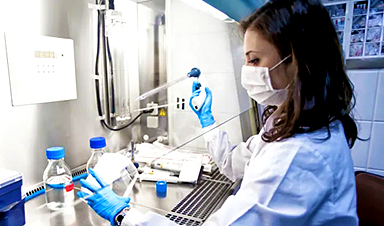
The team profiled how digested coronavirus fragments affect human immune cells. They used theoretical calculations, computer simulations and cell-based experiments, as well as small-angle X-ray measurements of protein fragments interacting with cells.
“The fragments are drawn to cells with the right membrane ‘terrain’ and then exploit that terrain to breach the membrane,” said study co-author Haleh Alimohamadi, a former UCLA postdoctoral researcher who is now an assistant professor at UC Irvine.
The SARS-CoV-2 fragments tended to selectively accumulate on the tentacled or star-shaped surfaces of two kinds of immune cells that were already activated by the coronavirus’s presence, then penetrate and kill these very cells that are the most prepared to mount a defense. One targeted population was a type of dendritic cell, which acts as an early-warning sentinel by detecting viruses and sending alarm signals that activate other defenses. The other was a T cell that eliminates infected cells in multiple ways.
“The viral fragments kill exactly the important types of immune cells that get clobbered in serious COVID-19,” said Wong, who holds appointments in chemistry and biochemistry and in microbiology, immunology and molecular genetics at UCLA. “Doctors actually measure those specific T cell numbers to determine how bad the disease is. Patients with severe cases will have low numbers; patients who bounce back will have robust numbers.”
Clues about why omicron was different
The study also looked at effects of the omicron variant, known to be highly infectious but somehow less dangerous. The team compared a piece of spike protein shown to be quite effective in punching holes in two types of immune cells with a piece from the same spot on the omicron version of the virus.
The omicron chunks destroyed only a small fraction of dendritic cells and had little effect on T cells at all.
“Omicron exhibits lots of mysterious behaviors,” said former UCLA postdoctoral researcher Yue Zhang, now an assistant professor at Westlake University in Hangzhou, China, and the first and co-corresponding author of the study. “No one could really explain why it replicated as fast as the original strain but generally did not cause infections that were as serious. We found that pieces of the omicron spike were much less able to kill these important immune cells — suggesting that a patient’s immune system is not going to be as depleted.”
Diverse fragments and what they tell us about COVID-19
Looking at the different viral protein fragments that can attack immune cells, the scientists found that no single specific fragment is responsible for the entire effect all by itself. Rather, the makeup of the proteins in the coronavirus can generate many different fragment variations capable of this type of activity, sometimes even working in concert. In fact, the effect was worse when viral pieces combined with the sort of native immune molecule they mimic.
These findings may account for the poor COVID-19 outcomes experienced by some with preexisting inflammatory or autoimmune conditions.
“The way that the virus tends to break up creates lots of different fragments, with multiple forms of activity,” Wong said. “If you already have certain inflammatory conditions, it’s likely to synergize with this emerging population of viral fragments.”
Because immune enzymes are responsible for destroying viruses, and because the activity of enzymes can vary enormously between different individuals, these results may also suggest why COVID-19 can have surprisingly devastating symptoms even in healthy patients who lack known preexisting conditions.
Future research directions
The scientists are continuing to investigate the ways that SARS-CoV-2 protein fragments impact the body. Their inquiries include long-haul COVID and a broad range of coronavirus health outcomes, such as damage to the cardiovascular system, skin lesions and symptoms that resemble arthritis and lupus.
“Viruses do so many things that we don’t understand,” Wong said. “It is important to learn how the virus infects and replicates, but that knowledge alone isn’t going to tell you everything about how the virus affects us. We want to understand what all the leftover viral matter does to us, both during COVID and after. With these viral fragments, all of a sudden there’s a whole new range of possibilities to consider.”
The study’s other co-authors are Jonathan Chen, Elizabeth Wei-Chia Luo, Jaime de Anda, HongKyu Lee, Liana Chan, Calvin Lee, Melody Li and Michael Yeaman of UCLA; Han Fu, Hongyu Wang, Xiaohan Wang, Yingrui Wang, Tiannan Guo and Dapeng Li of Westlake University; Carlos Silvestre-Roig, Anna Lívia Linard Matos, Mathis Richter and Oliver Soehnlein of the University of Münster in Germany; Taraknath Mandal of the Indian Institute of Technology Kanpur; Naixin Wang and Maomao Zhang of Harbin Medical University in China; Susmita Ghosh of the Institute for Spectrochemistry and Applied Spectroscopy (ISAS) at the Leibniz Institute for Scientific Analysis in Dortmund, Germany; Matthias Gunzer of ISAS and the University of Duisburg-Essen in Germany; Albert Sickmann of ISAS and Ruhr-Universität Bochum in Germany; Tsutomu Matsui and Thomas Weiss of Stanford University; Matthew Wolfgang and Robert Hagan of the University of North Carolina at Chapel Hill; Loredana Frasca and Roberto Lande of the Italian National Institute of Health; and Qiang Cui of Boston University.
In addition to support from the NSF and NIH, this research received funding from the National Natural Science Foundation of China; the German Research Foundation; the Zhejiang Natural Science Foundation; the American Heart Association; the UCLA W. M. Keck Foundation COVID-19 Research Award Program; and the Westlake Education Foundation and the Research Center for Industries of the Future at Westlake University.

News
Largest-Ever Physics Survey Raises New Doubts About Our Model of the Universe
Physicists around the world remain deeply divided on key mysteries of the universe, from dark matter to quantum gravity. The standard cosmological model failed to gain majority support, and no leading theory dominated the [...]
Scientists Just Overturned a 100-Year-Old Belief About Bacteria in the Lungs
New findings raise questions about the role of microbes living in the lungs. More than 35 trillion bacteria live throughout the human body, forming microbiomes in the gut, mouth, lungs, skin, and urogenital tract. [...]
GHCE Concept
From the preface of the book Global Health Care Equivalency in the Age of Nanotechnology, Nanomedicine and Artificial Intelligence, Edited by Frank Boehm: Since the publication of my first book (Nanomedical Device and Systems [...]
Novartis, Ionis drug failure spurs questions
Pelacarsen didn’t protect heart health despite lowering levels of a protein particle, “Lp(a),” in a large clinical trial — a result with important implications for cardiovascular drug research. Dive Brief: An RNA drug from [...]
New injectable treatment helps the brain rebuild after stroke
Biomedical engineers at Duke University have created an injectable biomaterial that may help the brain recover from damage left behind by an ischemic stroke. In experiments with mice, the material transformed the cavity created [...]
Scientists Discover a Hidden “Immune Organ” Inside the Skull
Researchers discovered lymph node-like immune hubs inside skull bone marrow that appear to act as rapid-response centers for the brain. For decades, the brain was thought to operate largely apart from the immune system. [...]
Engineered tRNAs and lipid nanoparticles target nonsense mutation cystic fibrosis
Researchers have developed a potential new approach for treating a form of cystic fibrosis caused by so-called nonsense mutations, combining chemically modified transfer RNAs with lipid nanoparticles designed to deliver the therapy directly to [...]
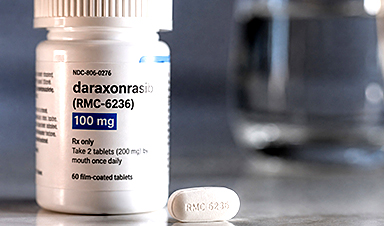
New pancreatic cancer drug carries a $39,800 monthly list price
A groundbreaking treatment for one of the most common forms of pancreatic cancer has been approved in pill form by the FDA. Revolution Medicines’ oral tablet daraxonrasib, branded as Rasonque, reduced the risk of [...]
Researchers Have Discovered a New Way To Reduce Chronic Nerve Pain
A cancer-linked protein called BRAF may help drive chronic nerve pain, and existing cancer drugs targeting it reduced pain sensitivity in preclinical models. Chronic nerve pain can persist long after an injury and often [...]

Our books now available worldwide!
Online Sellers other than Amazon, Routledge, and IOPP Indigo Global Health Care Equivalency in the Age of Nanotechnology, Nanomedicine and Artifcial Intelligence Global Health Care Equivalency In The Age Of Nanotechnology, Nanomedicine And Artificial [...]

Quantum-Enabled Regenerative Health: Reimagining Wellness, Precision Health and Longevity Medicine
Introduction Healthcare is approaching a frontier where the quantum portfolio could influence not only how disease is diagnosed and treated, but how health itself is measured, modeled, predicted and preserved. Quantum computing, quantum simulation, [...]

FDA Clears First-of-Its-Kind Nonmedication Treatment for PTSD
The FDA has cleared a system that uses brain activity data to personalize magnetic stimulation for PTSD, adding a new nonmedication treatment option. Every day in the United States, approximately 17.5 veterans die by suicide, [...]
FDA approves breakthrough drug to treat advanced pancreatic cancer
The Food and Drug Administration (FDA) approved on Wednesday a drug that could extend the survival of those with metastatic pancreatic cancer. The drug, called daraxonrasib, will be sold under the brand name Rasonque [...]
AI Decodes a Hidden DNA Signal Linked to Disease-Causing Mutations
Machine learning identifies the likely “initiator” and enables new predictions about DNA mutations that can cause disease. Every human cell depends on tens of thousands of genes being switched on at the right time [...]

Pope Leo Urges Global Response to Congo’s Deadliest Ebola Outbreak
Pope Leo called for international action to address the Ebola outbreak in the Democratic Republic of Congo. The epidemic has claimed over 2,500 lives and is the nation's largest recorded outbreak. The Pope emphasized [...]

Is there a summer COVID-19 surge this year? Yep, it’s ramping up again
Hantavirus. Ebola. West Nile. Measles. And, of course, cyclospora — that stomach parasite making people miserable across the country. Americans have plenty to worry about this summer. But remember COVID-19? It may not be [...]