By restructuring a common chemotherapy drug, scientists increased its potency by 20,000 times.
In a significant step forward for cancer therapy, researchers at Northwestern University have redesigned the molecular structure of a well-known chemotherapy drug, greatly increasing its solubility, effectiveness, and safety.
For this study, the scientists created the drug entirely from scratch as a spherical nucleic acid (SNA), a nanoscale structure that incorporates the drug into DNA strands surrounding tiny spheres. This innovative design transforms a compound that normally dissolves poorly and works weakly into a highly potent, precisely targeted treatment that spares healthy cells from damage.
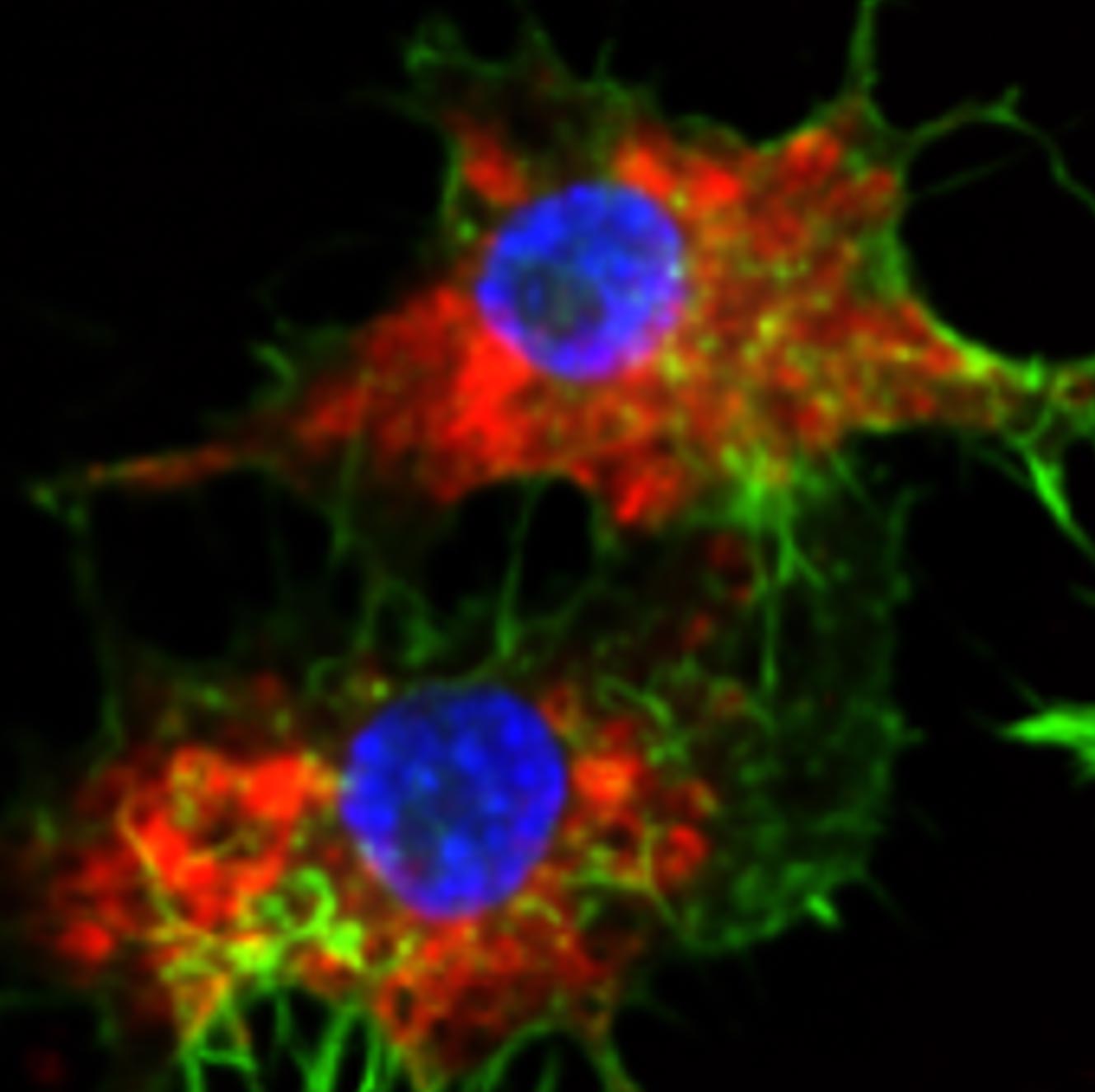
When tested in a small animal model of acute myeloid leukemia (AML), an aggressive and hard-to-treat blood cancer, the SNA-based version showed remarkable results. It entered leukemia cells 12.5 times more efficiently, destroyed them up to 20,000 times more effectively, and slowed cancer progression by a factor of 59, all without causing noticeable side effects.
According to the researchers, this achievement highlights the growing promise of structural nanomedicine, an emerging area of research where scientists carefully design both the structure and composition of nanomedicines to control how they behave inside the body. With seven SNA-based therapies already in clinical trials, this approach could pave the way for advanced vaccines and new treatments for cancer, infectious diseases, neurodegenerative disorders, and autoimmune conditions.
The findings were recently published in the journal ACS Nano.
A Breakthrough with Clinical Promise
"In animal models, we demonstrated that we can stop tumors in their tracks," said Northwestern's Chad A. Mirkin, who led the study. "If this translates to human patients, it's a really exciting advance. It would mean more effective chemotherapy, better response rates and fewer side effects. That's always the goal with any sort of cancer treatment."
A pioneer in chemistry and nanomedicine, Mirkin is the George B. Rathmann Professor of Chemistry, Chemical and Biological Engineering, Biomedical Engineering, Materials Science and Engineering and Medicine at Northwestern, where he has appointments in the Weinberg College of Arts and Sciences, McCormick School of Engineering and Feinberg School of Medicine. He also is the founding director of the International Institute for Nanotechnology and a member of the Robert H. Lurie Comprehensive Cancer Center of Northwestern University.
Credit: Mirkin Research Group/Northwestern University
For the new study, Mirkin and his team focused on the traditional chemotherapy drug 5-fluorouracil (5-Fu), which often fails to reach cancer cells efficiently. And, because it also attacks healthy tissue, 5-Fu causes myriad side effects, including nausea, fatigue and, in rare cases, even heart failure.
According to Mirkin, the drug itself is not the problem — it's how the body processes it. 5-Fu is poorly soluble, meaning less than 1% of it dissolves in many biological fluids. Most drugs need to dissolve in the bloodstream before they can travel through the body to enter cells. If a drug is poorly soluble, it clumps or retains a solid form, and the body cannot absorb it efficiently.
"We all know that chemotherapy is often horribly toxic," Mirkin said. "But a lot of people don't realize it's also often poorly soluble, so we have to find ways to transform it into water soluble forms and deliver it effectively."
The SNA Solution
To develop a more effective delivery system, Mirkin and his team turned to SNAs. Invented and developed by Mirkin at Northwestern, SNAs are globular nanostructures with a nanoparticle core surrounded by a dense shell of DNA or RNA. In previous studies, Mirkin discovered that cells recognize SNAs and invite them inside. In the new study, his team built new SNAs with the chemotherapy chemically incorporated into the DNA strands.
"Most cells have scavenger receptors on their surfaces," Mirkin said. "But myeloid cells overexpress these receptors, so there are even more of them. If they recognize a molecule, then they will pull it into the cell. Instead of having to force their way into cells, SNAs are naturally taken up by these receptors."
As Mirkin and his team suspected, the structural redesign completely changed how 5-Fu interacted with the cancer cells. Unlike with free-floating, unstructured chemotherapy molecules, the myeloid cells easily recognized and absorbed the SNA form. Once inside, enzymes broke down the DNA shell to release the drug molecules, which killed the cancer cell from within.
In the mouse experiments, the therapy eliminated the leukemia cells to near completion in the blood and spleen and significantly extended survival. And, because the SNAs selectively targeted AML cells, healthy tissues remained unharmed.
"Today's chemotherapeutics kill everything they encounter," Mirkin said. "So, they kill the cancer cells but also a lot of healthy cells. Our structural nanomedicine preferentially seeks out the myeloid cells. Instead of overwhelming the whole body with chemotherapy, it delivers a higher, more focused dose exactly where it's needed."
Next, Mirkin's team plans to test the new strategy in a larger cohort of small animal models, then move to a larger animal model and, eventually, in human clinical trials, once funding is secured.
Reference: "Chemotherapeutic Spherical Nucleic Acids" by Taokun Luo, Young Jun Kim, Zhenyu Han, Jeongmin Hwang, Sneha Kumari, Vinzenz Mayer, Alex Cushing, Roger A. Romero and Chad A. Mirkin, 29 October 2025, ACS Nano.
DOI: 10.1021/acsnano.5c16609
Funding: National Cancer Institute, National Institute of Diabetes and Digestive and Kidney Diseases

News
Scientists Discover a Hidden Trigger That Keeps Inflammation Alive
Inflammation persists after proteins detach from immune receptors, revealing a potential target for autoimmune treatments. Since a Nobel Prize-winning discovery in the 1990s identified molecules called Toll-like Receptors as the guardians of the human [...]
A Virus Gives Itself Away the Moment It Attacks
Researchers have found the trigger behind a powerful bacterial defense against viruses. Viruses that prey on bacteria could become an increasingly important tool for treating bacterial infections, particularly as antibiotic resistance makes some infections [...]
Scientists Discover Aspirin May Slash Dementia Risk by 70% – but Only for Certain People
Aspirin was linked to a sharply lower dementia risk in some older adults, and their genes may hold the clue. A Monash University analysis found that older adults with a particular genetic profile had [...]
Inflammation May Awaken Dormant Cancer Cells Years After Treatment
The body’s response to inflammation may disturb cancer cells that have been lying silent for years, giving them an opportunity to grow again. Researchers at the Francis Crick Institute have found that gut inflammation [...]

Where do nanoparticles go once they enter the body?
New international best practice guidance, co-written at ANSTO, sets out how to measure where nanoparticles like titanium dioxide end up in the body and how long they remain. The guidance has been shared by [...]
Long-Acting HIV Shots Could Solve a Major Treatment Challenge for Young People
A major African trial suggests that changing how HIV treatment is delivered could significantly improve viral suppression in adolescents. Young people with HIV were more likely to keep the virus suppressed when they received [...]

WHO Factsheets – The top 10 causes of death
In 2023, the 10 leading causes of death accounted for 33 million deaths, or 54% of the total 61 million deaths worldwide. The top global causes of death, in order of total number of lives lost, [...]
Aging Cells May Be Hiding From the Immune System – Scientists Think They Know How
Your immune system is supposed to clear out damaged cells. Researchers may have found how some of them hide and linger as the body ages. Researchers led by Cedars-Sinai Health Sciences University have identified [...]

Your Voice May Reveal How Fast Your Brain Is Aging
Researchers have developed a machine-learning “speech clock” that estimates age from subtle patterns in how people speak and what they say. It is possible that people’s voices may contain certain signals of aging that [...]
Optogenetics Pioneers Win 2026 Nobel Prize in Physiology or Medicine
The 2026 Nobel Prize in Physiology or Medicine has been awarded to Peter Hegemann, Georg Nagel, and Karl Deisseroth for the development of optogenetics, a revolutionary technology that uses light to control individual neurons [...]
Molecular Manufacturing: The Future of Nanomedicine – From NanoappsMedical Inc.
This book explores the revolutionary potential of atomically precise manufacturing technologies to transform global healthcare, as well as practically every other sector across society. This forward-thinking volume examines how envisaged Factory@Home systems might enable the cost-effective [...]

What is ‘American Covid’ and how bad is it?
Cases of so-called ‘American Covid’ are on the rise in the UK. The strain is officially called XFG, or ‘Stratus’, and is the most common variant in North America, hence the name. It might soon [...]
Researcher at Russian plague laboratory dies of ‘unknown’ infection
Russian authorities have imposed "anti-epidemic measures" after a laboratory worker at an institute in Siberia dedicated to studying the plague and other infectious diseases died of a mysterious illness. The researcher, a 28-year-old female [...]

GHCE Concept
From the preface of the book Global Health Care Equivalency in the Age of Nanotechnology, Nanomedicine and Artificial Intelligence, Edited by Frank Boehm: Since the publication of my first book (Nanomedical Device and Systems [...]

A Surprising Brain Signal Could Explain Why Eating Less Protein Extends Lifespan
A new paper suggests that limiting protein intake triggers a coordinated response throughout the body that may help explain how protein restriction affects healthy aging. Animals respond to protein restriction, or reduced protein in [...]

Back and shoulder surgery is often worse than useless
Millions of operations should be scrapped SIX IN TEN Britons have surgery at some point. So do lots of Americans, at a cost of perhaps $500bn a year, a third of all spending on [...]