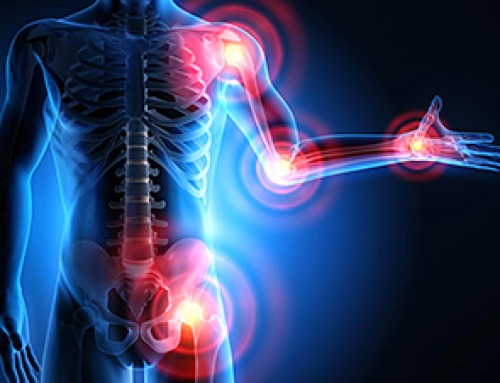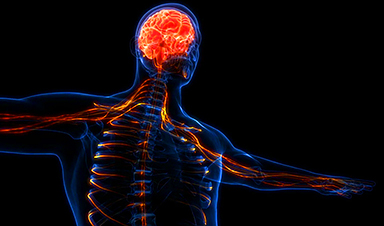
A single nerve injury can quietly reshape the immune system across the entire body.
Preclinical research from McGill University suggests that nerve injuries may lead to long-lasting changes in the immune system, and these effects appear to differ between males and females.
Nerve damage is relatively common and can result from stretching, pressure, or cuts. These injuries often cause lasting problems, including chronic pain. While the immune system usually plays a role in healing damaged tissue, new findings indicate that nerve injuries can interfere with immune activity throughout the entire body.
Blood samples taken from mice showed signs of widespread inflammation following nerve injury. Researchers were surprised to find that male and female mice responded in very different ways.
Male and Female Immune Responses Diverge
In male mice, inflammation-related markers in the blood increased and remained elevated over time. In female mice, however, those same markers did not rise. Despite this difference, blood taken from injured male or female mice caused increased pain sensitivity when transferred into healthy mice. This points to a circulating factor in the blood that spreads pain signals throughout the body, even though it appears to differ between the sexes.
“That means whatever is causing pain in females is working through a completely different biological pathway that we don’t yet understand,” said co-author Jeffrey Mogil, E.P. Taylor Professor of Pain Studies at McGill and a Distinguished James McGill Professor.
“By understanding how men and women react differently to nerve injuries, we can work toward more personalized and effective treatments for chronic pain,” added Sam Zhou, the study’s lead author and a PhD student at McGill.
Broader Health Implications
The findings suggest that nerve injuries may affect far more than the immediate area of damage. Ongoing changes in immune function could raise the risk of chronic conditions, including persistent pain as well as related issues such as anxiety and depression.
“Recognizing the full impact of nerve injuries is important for both doctors and patients,” said Dr. Ji Zhang, the senior author and a professor at McGill’s Department of Neurology and Neurosurgery and Faculty of Dental Medicine and Oral Health Sciences. “A localized nerve injury can affect whole body. Men and women may respond differently.”
Reference: “The impact of nerve injury on the immune system across the lifespan is sexually dimorphic” by Wen Bo S. Zhou, Xiang Q. Shi, Alain P. Zhang, Magali Millecamps, Jeffrey S. Mogil and Ji Zhang, 20 August 2025, Neurobiology of Pain.
DOI: 10.1016/j.ynpai.2025.100195
The study was funded by the Canadian Institutes of Health Research and the Louise and Alan Edwards Foundation.

News
Too Much RNA Can Drain a Cell’s Energy, Scientists Discover
A virus may cripple a cell’s power supply simply by producing too much of a molecule the cell needs to survive. New research from the Texas A&M College of Veterinary Medicine and Biomedical Sciences [...]
West African scientists warn of weakening health systems and urge stronger outbreak detection
LOME, Togo (AP) — West African laboratory scientists called on governments Friday to strengthen capacity to detect disease outbreaks to avoid another major outbreak, saying health systems across the region are becoming weaker. Participants [...]

A Little-Known Protein Could Point to a New Way To Treat Alzheimer’s
A study suggests that increasing SORLA protein levels could help treat Alzheimer’s disease and other disorders involving tau protein. Increasing SORLA, a protein with a protective role in the brain, helped mice withstand damage [...]
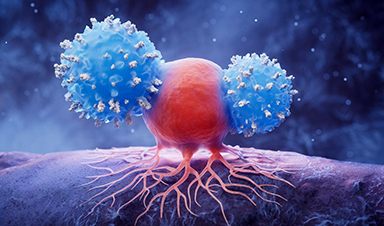
Cancer’s Hidden Antioxidant Shield Helps It Escape the Immune System
Blocking an antioxidant protein that tumors use to suppress immune attacks improved cancer immunotherapy responses in mice. Cancer cells can release antioxidants that interfere with the immune cells trying to kill them. Researchers have [...]

Scientists Find a Berry Compound That Helps Muscle Cells Burn Fat
Pterostilbene, a compound found naturally in some foods, affects how skeletal muscles process fats by stabilizing a protein called PPARδ and increasing its signaling activity. Pterostilbene, a natural compound found in blueberries, grapes, and [...]
Two Hidden Forces Help Build the Human Brain Before Birth
Scientists have uncovered two surprising forces that help guide how the human brain forms before birth. Before birth, the human brain is shaped in large part by an unusual class of stem cells known [...]
Researchers Uncover a Hidden Trigger Behind Chronic Inflammation
The findings offer new insights that could help guide the development of future therapies. A protein called human resistin may help flip on one of the immune system’s most powerful inflammatory switches. Researchers at [...]
Scientists Have Uncovered Previously Hidden Microbial Activity on Human Skin
The most abundant microbes on your skin may not be the ones doing most of the work. Human skin supports vast communities of bacteria, fungi, and viruses that can influence its protective barrier, immune [...]
Brazilian Tree Compounds Fight COVID-19 on Multiple Fronts
Scientists found compounds in a Brazilian tree that hit SARS-CoV-2 on multiple fronts, revealing a promising new lead in the search for COVID-19 treatments. Researchers have found that galloylquinic acids extracted from the leaves [...]
Cutting Two Amino Acids Slowed Prostate Cancer in Mice
A newly identified link between amino acid metabolism and cholesterol production may help prostate tumors adapt to hormone therapy. Prostate cancer can find ways around treatments designed to deprive tumors of the hormones they [...]
Largest-Ever Physics Survey Raises New Doubts About Our Model of the Universe
Physicists around the world remain deeply divided on key mysteries of the universe, from dark matter to quantum gravity. The standard cosmological model failed to gain majority support, and no leading theory dominated the [...]
Scientists Just Overturned a 100-Year-Old Belief About Bacteria in the Lungs
New findings raise questions about the role of microbes living in the lungs. More than 35 trillion bacteria live throughout the human body, forming microbiomes in the gut, mouth, lungs, skin, and urogenital tract. [...]

GHCE Concept
From the preface of the book Global Health Care Equivalency in the Age of Nanotechnology, Nanomedicine and Artificial Intelligence, Edited by Frank Boehm: Since the publication of my first book (Nanomedical Device and Systems [...]
Novartis, Ionis drug failure spurs questions
Pelacarsen didn’t protect heart health despite lowering levels of a protein particle, “Lp(a),” in a large clinical trial — a result with important implications for cardiovascular drug research. Dive Brief: An RNA drug from [...]
New injectable treatment helps the brain rebuild after stroke
Biomedical engineers at Duke University have created an injectable biomaterial that may help the brain recover from damage left behind by an ischemic stroke. In experiments with mice, the material transformed the cavity created [...]
Scientists Discover a Hidden “Immune Organ” Inside the Skull
Researchers discovered lymph node-like immune hubs inside skull bone marrow that appear to act as rapid-response centers for the brain. For decades, the brain was thought to operate largely apart from the immune system. [...]