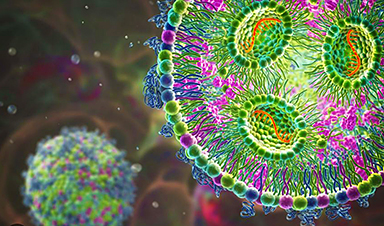
Capstan Therapeutics scientists demonstrate that lipid nanoparticles can engineer CAR T cells within the body without laboratory cell manufacturing and ex vivo expansion. The method using targeted lipid nanoparticles (tLNPs) is designed to deliver messenger RNA specifically to CD8+ T cells.
CAR T therapy has revolutionized the treatment of B-cell cancers, with lasting remissions in lupus, myositis, and leukemia and other B-cell–driven autoimmune disorders. The method requires the use of a patient’s own T cells, reengineering those T cells in a lab, growing the population of the modified cells and placing them back in the patient.
More than 20 million U.S. patients living with autoimmune conditions remain without access to the treatment as it depends on costly personalized lab processes, available at only a few specialized centers.
Capstan’s lipid-nanoparticle drug is formulated once, then administered to many patients without tailoring the genetic payload for each recipient, making it a universal option without the specialty center price tag or access obstacles.
In the study, “In vivo CAR T cell generation to treat cancer and autoimmune disease,” published in Science, researchers designed a lipid-nanoparticle delivery system to convert CD8+ T cells inside the body into transient anti-B-cell CAR T cells.
Experiments spanned humanized mice, primary human immune cells, and 22 cynomolgus monkeys given three doses of the therapeutic nanoparticle L829 (0.1–2.0 mg/kg).
A second cohort of 15 monkeys tested a two-dose schedule, and four additional animals examined steroid–antihistamine premedication. Pharmacokinetics, flow cytometry, imaging, and histology tracked CAR expression, B-cell counts, cytokines, and organ distribution.
Bioluminescent and fluorescent reporters confirmed reduced off-target expression in the liver and enhanced accumulation in spleen and lymphoid tissues compared with benchmark lipids used in mRNA vaccines. CD8-L829-tLNPs preferentially modified CD8+ T cells over CD4+ T cells, monocytes, and B cells.
CAR expression was detectable within six hours, declining by 72 hours. CAR T cells engineered in vivo exhibited antigen-specific cytotoxicity, cytokine production, proliferation, and serial killing capacity. Transfected T cells demonstrated effective clearance of CD19+ target cells in vitro.
In humanized mice, a single intravenous dose of 10 or 30 µg CD8-L829-tLNP-CD19 induced near-complete B cell depletion within three hours, with measurable CAR expression on CD8+ T cells persisting at 24 hours.
Nalm6 leukemia-bearing mice receiving the 30 µg dose exhibited near-total tumor clearance in four of five animals within two days of the first dose and complete clearance by the third day after treatment with a second dose.
In cynomolgus monkeys, two or three infusions of CD8-L829-tLNPs encoding an anti-CD20 CAR at 0.1 to 2.0 mg/kg resulted in rapid and profound B cell depletion across blood, spleen, and lymph nodes. CAR expression was observed in up to 85% of CD8+ T cells and 95% of CD8+ NK cells, with minimal expression in CD4+ populations. B cell repopulation began by day 21 and was characterized by a predominantly naive phenotype.
Mild and transient elevations in liver enzymes and pro-inflammatory cytokines, including interleukin-6 and interferon-gamma, were recorded at higher doses. One animal in the 1.5 mg/kg group was euthanized due to clinical features consistent with immune effector cell-associated hemophagocytic lymphohistiocytosis. A compact two-dose regimen replicated depletion efficacy while reducing cytokine release.
Targeted lipid nanoparticles enable in vivo generation of functional CAR T cells without requiring ex vivo cell manipulation or integrating viral vectors.
Researchers at Capstan Therapeutics demonstrated that lipid nanoparticle formulations bearing mRNA and conjugated to CD8-targeting antibodies can program T cells directly inside the body, offering a platform that bypasses conventional manufacturing, lymphodepletion, and the costly infrastructure required for existing CAR T therapies.
As lipid nanoparticle therapeutics are commercially scalable and already validated in mRNA vaccines, this technology may represent a foundational shift toward broader clinical use of engineered immunotherapy from within the patient’s body.
Written for you by our author Justin Jackson, edited by Sadie Harley, and fact-checked and reviewed by Robert Egan—this article is the result of careful human work. We rely on readers like you to keep independent science journalism alive. If this reporting matters to you, please consider a donation (especially monthly). You’ll get an ad-free account as a thank-you.

News
Scientists Discover Cancer Tumors Are “Addicted” to This Common Antioxidant
Cancer cells may be exploiting a common antioxidant as fuel, revealing a potential weakness that future therapies could target. Cancer cells may be tapping into an unexpected energy source: an antioxidant long associated with [...]
Nanotube injector transfers cytoplasmic contents and organelles between living cells safely
Cells are not isolated units; they continuously exchange proteins, genetic material, and even entire organelles with their neighbors. Intercellular transfer influences how tissues develop, respond to stress, and repair damage. In certain cancers, for [...]

CEO of America’s largest public hospital system is ready to replace radiologists with AI
The chief executive of America’s largest public hospital system says he is prepared to start replacing radiologists with artificial intelligence in some circumstances, once the regulatory landscape catches up. Mitchell H. Katz, MD, president [...]

Our books now available worldwide!
Online Sellers other than Amazon, Routledge, and IOPP Indigo Global Health Care Equivalency in the Age of Nanotechnology, Nanomedicine and Artifcial Intelligence Global Health Care Equivalency In The Age Of Nanotechnology, Nanomedicine And Artificial [...]

Study finds higher heart disease risk in long COVID patients
People with long COVID are at increased risk of developing cardiovascular disease, according to a new study from Karolinska Institutet published in eClinicalMedicine. The results show that the risk of conditions such as cardiac arrhythmias [...]
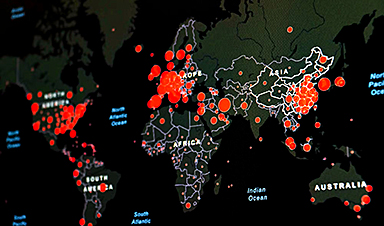
The Corona variant Cicada is here – we know that
Online and on social media, reports are piling up about a new Sars-Cov-2 variant that is currently on the rise: BA.3.2, also known as Cicada. That's what it's all about: The Omicron variant BA.3.2, [...]

A Simple Blood Test Could Predict Dementia Risk 25 Years Early
A single blood marker may quietly signal dementia risk decades in advance. Scientists at the University of California, San Diego, have identified a blood signal that could forecast dementia risk decades before symptoms begin. Their [...]

Sperm Get Lost in Space and Scientists Finally Know Why
Having a baby in space may be far more complicated than expected, as new research shows sperm struggle to find their way in microgravity. Starting a family beyond Earth could be more complicated than [...]
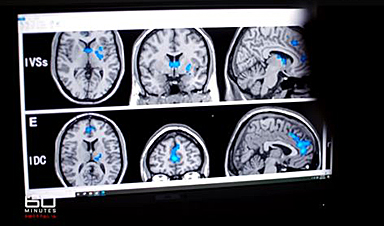
Digital Dementia – Brain fog and disassociation from being chronically online
New medical evidence, featured on 60 Minutes Australia, indicates excessive screen time is causing "digital dementia" in young Australians, with brain scans showing physical shrinkage and damage. Experts warn that high device usage (6-8 hours [...]

A new, highly mutated COVID variant called ‘Cicada’ is spreading in the US.
BA.3.2, a heavily mutated new COVID-19 variant which may be better able to escape immunity from vaccines or prior infection, is now spreading in the United States. Although COVID cases are currently low nationally, [...]
Molecular Manufacturing: The Future of Nanomedicine – New book from NanoappsMedical Inc.
This book explores the revolutionary potential of atomically precise manufacturing technologies to transform global healthcare, as well as practically every other sector across society. This forward-thinking volume examines how envisaged Factory@Home systems might enable the cost-effective [...]

Ancient bacteria strain discovered in ice cave is resistant to some modern antibiotics
In the depths of Scarisoara cave in Romania sits one of the world’s biggest underground glaciers, a monumental slab of ice the size of roughly 40 Olympic swimming pools that began to form around [...]

Scientists Identify “Good” Bacteria That May Prevent Long COVID
According to the WHO, about 6% of people worldwide who get COVID-19, roughly 400 million people, later develop a long-lasting form of the illness. That shows the condition remains a significant public health challenge. In [...]

New book from Nanoappsmedical Inc. – Global Health Care Equivalency
A new book by Frank Boehm, NanoappsMedical Inc. Founder. This groundbreaking volume explores the vision of a Global Health Care Equivalency (GHCE) system powered by artificial intelligence and quantum computing technologies, operating on secure [...]

RNA Recycling Extends Lifespan
Summary: Researchers discovered a biological “trash disposal” mechanism that directly controls how fast we age. While circular RNA has long been known to accumulate in cells as we get older, this study proves for the [...]
Cancer’s Deadly Paradox: How Tumors Break Their Own DNA To Keep Growing
Cancer’s strongest gene switches push DNA into damaging overdrive, creating repeated breaks and repairs that may fuel tumor evolution while exposing possible therapeutic weak spots. A new study indicates that cancer can harm its own genetic [...]