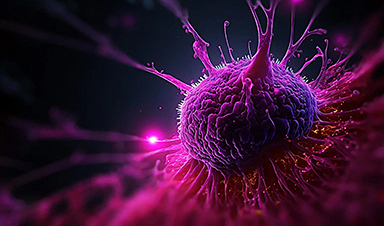
A newly discovered link between pancreatic cancer and neural signaling reveals a promising drug target that slows tumor growth by blocking glutamate uptake.
Pancreatic cancer is among the most deadly cancers, and scientists are still working to understand what drives its aggressive behavior. A research team at the Technical University of Munich (TUM) has identified a biological mechanism that helps explain this lethality.
Their findings show that pancreatic cancer cells can take advantage of the body's nervous system by forming structures called pseudosynapses. Using a specific receptor, these tumor cells take up the neurotransmitter glutamate, which then promotes their growth. The researchers believe this discovery could point to new drug targets that disrupt this process in patients.
The link between the nervous system and cancer progression has been recognized for years. One well-known example is "neural invasion," a process in which nerve fibers from nearby healthy tissue grow into tumors. This phenomenon is commonly associated with poorer outcomes and more aggressive disease.
About six years ago, scientists in the United States reported a surprising finding in brain tumors. They showed that some cancers can form their own synapses, allowing them to directly exploit neuronal signaling. Inspired by this work, Professor Ekin Demir, a clinician scientist in the Department of Surgery at the TUM University Hospital, and his team set out to investigate whether tumors outside the brain might use a similar tactic.
Searching for "tumor synapses"
Pancreatic tumors were an obvious candidate because neural invasion is especially common in this cancer type. The researchers analyzed pancreatic tumor samples, looking for clusters of receptors that interact with specific neurotransmitters.
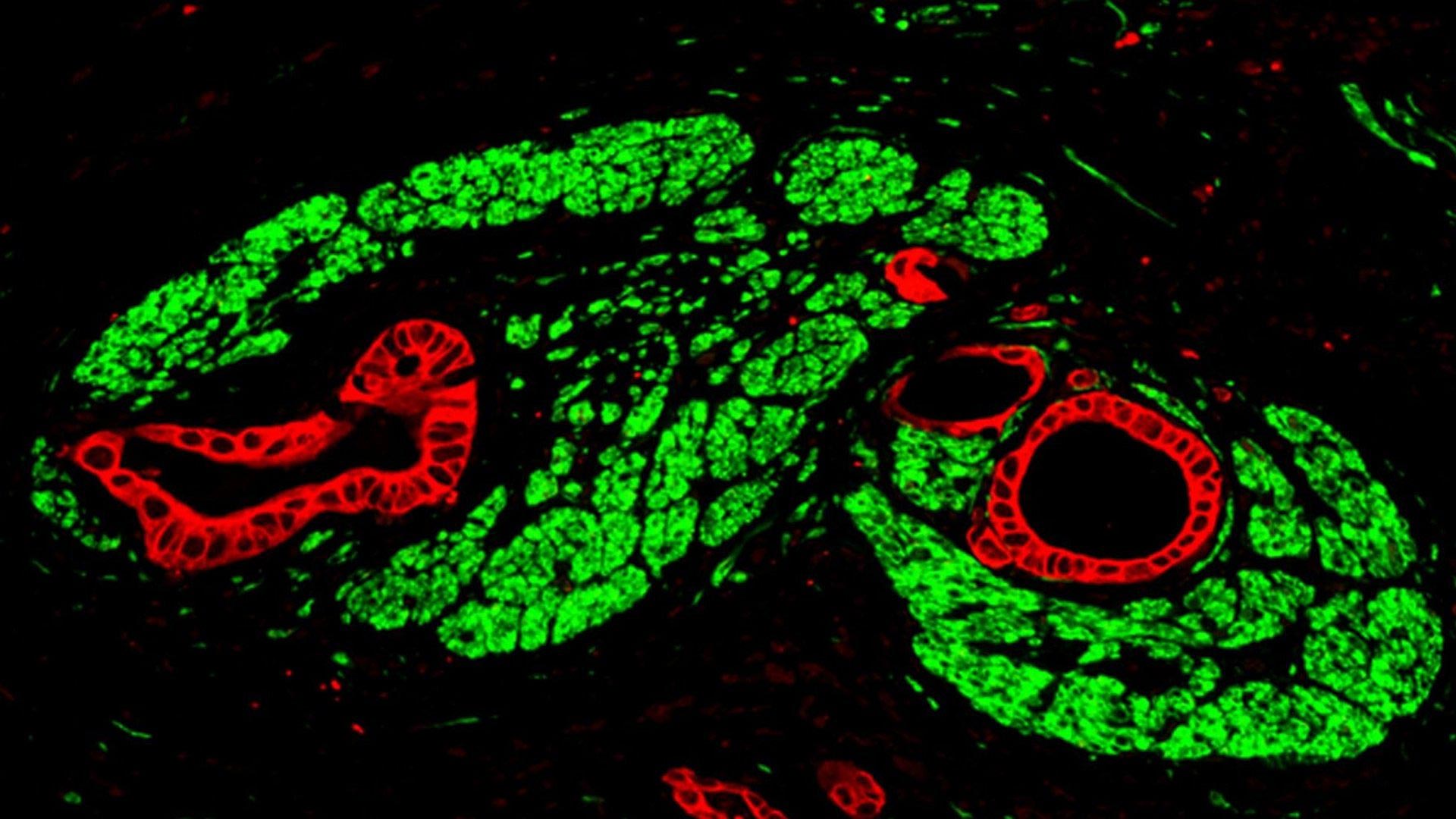
In several samples, they found elevated levels of NMDA receptors, which bind glutamate. Further analysis using electron microscopy revealed structures that closely resemble synapses. Because these formations differ in important physiological details from typical neuronal synapses, the team refers to them as pseudosynapses.
Calcium waves promote tumor growth
What advantage do pancreatic tumors gain by forming pseudosynapses? Like other glands, the pancreas is regulated by the nervous system. Depending on the body's needs, healthy pancreatic cells receive the neurotransmitter glutamate through their synapses. This triggers a series of processes. Pseudosynapses exploit this natural mechanism.
"When glutamate binds to the cancer cells' NMDA receptors, a channel opens, and calcium flows into the cell," explains Professor Demir. "This influx triggers molecular signaling cascades that drive tumor growth and metastasis." The team observed that the cancer cells generate characteristic slow, long-lasting calcium waves that drive tumor growth in a sustained way.
Yet this remarkable mechanism may open up a path to new cancer therapies. In mouse experiments, the researchers successfully blocked the NMDA receptors on tumor cells with a drug. The result: pancreatic tumors grew more slowly, developed fewer metastases, and the animals lived longer.
"We are currently using bioinformatic methods to identify approved drugs that, in addition to their primary effects, can also block these specific NMDA receptors in pancreatic cancer cells," says Professor Ekin Demir. "Therapies targeting the interface between the nervous system and tumors could open up entirely new treatment options." The team suspects that other tumor types may also form pseudosynapses to accelerate their growth.
Reference: "Sensory neurons drive pancreatic cancer progression through glutamatergic neuron-cancer pseudo-synapses" by Lei Ren, Chunfeng Liu, Kaan Çifcibaşı, Markus Ballmann, Gerhard Rammes, Carmen Mota Reyes, Sergey Tokalov, Andreas Klingl, Jennifer Grünert, Keshav Goyal, Peter H. Neckel, Ulrich Mattheus, Benjamin Schoeps, Saliha Elif Yıldızhan, Osman Ugur Sezerman, Nedim Can Cevik, Elif Arik Sever, Didem Karakas, Okan Safak, Katja Steiger, Alexander Muckenhuber, Kıvanç Görgülü, Zongyao Chen, JingCheng Zhang, Linhan Ye, Mohammed Inayatullah Maula Ali, Vijay K. Tiwari, Nataliya Romanyuk, Florian Giesert, Dieter Saur, Roland Rad, Roland M. Schmid, Hana Algül, Achim Krüger, Helmut Friess, Güralp O. Ceyhan, Rouzanna Istvanffy and Ihsan Ekin Demir, 25 September 2025, Cancer Cell.
DOI: 10.1016/j.ccell.2025.09.003
I.E.D. and L.R. were supported by a grant of the Deutsche Forschungsgemeinschaft (DFG, German Research Foundation)—Project-ID DE 2428/11-1. I.E.D. was supported by the Else Kröner Clinician Scientist Professorship Program of the Else Kroner-Fresenius Foundation.

News
Scientists Discover Cancer Tumors Are “Addicted” to This Common Antioxidant
Cancer cells may be exploiting a common antioxidant as fuel, revealing a potential weakness that future therapies could target. Cancer cells may be tapping into an unexpected energy source: an antioxidant long associated with [...]
Nanotube injector transfers cytoplasmic contents and organelles between living cells safely
Cells are not isolated units; they continuously exchange proteins, genetic material, and even entire organelles with their neighbors. Intercellular transfer influences how tissues develop, respond to stress, and repair damage. In certain cancers, for [...]

CEO of America’s largest public hospital system is ready to replace radiologists with AI
The chief executive of America’s largest public hospital system says he is prepared to start replacing radiologists with artificial intelligence in some circumstances, once the regulatory landscape catches up. Mitchell H. Katz, MD, president [...]
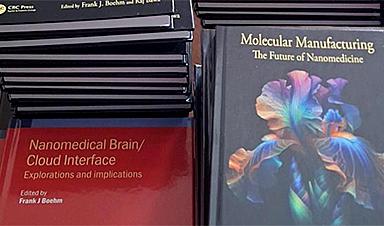
Our books now available worldwide!
Online Sellers other than Amazon, Routledge, and IOPP Indigo Global Health Care Equivalency in the Age of Nanotechnology, Nanomedicine and Artifcial Intelligence Global Health Care Equivalency In The Age Of Nanotechnology, Nanomedicine And Artificial [...]

Study finds higher heart disease risk in long COVID patients
People with long COVID are at increased risk of developing cardiovascular disease, according to a new study from Karolinska Institutet published in eClinicalMedicine. The results show that the risk of conditions such as cardiac arrhythmias [...]
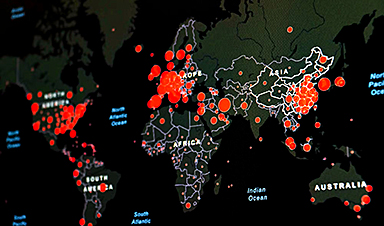
The Corona variant Cicada is here – we know that
Online and on social media, reports are piling up about a new Sars-Cov-2 variant that is currently on the rise: BA.3.2, also known as Cicada. That's what it's all about: The Omicron variant BA.3.2, [...]
A Simple Blood Test Could Predict Dementia Risk 25 Years Early
A single blood marker may quietly signal dementia risk decades in advance. Scientists at the University of California, San Diego, have identified a blood signal that could forecast dementia risk decades before symptoms begin. Their [...]

Sperm Get Lost in Space and Scientists Finally Know Why
Having a baby in space may be far more complicated than expected, as new research shows sperm struggle to find their way in microgravity. Starting a family beyond Earth could be more complicated than [...]
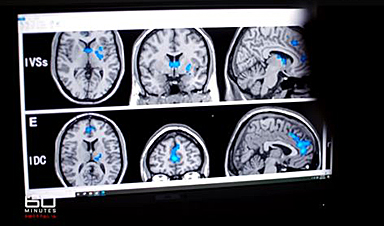
Digital Dementia – Brain fog and disassociation from being chronically online
New medical evidence, featured on 60 Minutes Australia, indicates excessive screen time is causing "digital dementia" in young Australians, with brain scans showing physical shrinkage and damage. Experts warn that high device usage (6-8 hours [...]
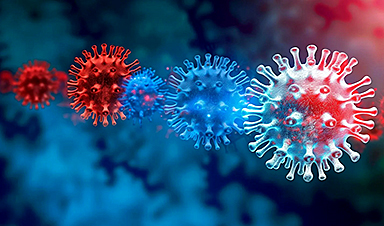
A new, highly mutated COVID variant called ‘Cicada’ is spreading in the US.
BA.3.2, a heavily mutated new COVID-19 variant which may be better able to escape immunity from vaccines or prior infection, is now spreading in the United States. Although COVID cases are currently low nationally, [...]
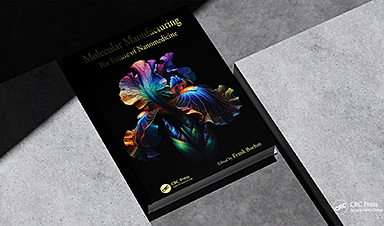
Molecular Manufacturing: The Future of Nanomedicine – New book from NanoappsMedical Inc.
This book explores the revolutionary potential of atomically precise manufacturing technologies to transform global healthcare, as well as practically every other sector across society. This forward-thinking volume examines how envisaged Factory@Home systems might enable the cost-effective [...]

Ancient bacteria strain discovered in ice cave is resistant to some modern antibiotics
In the depths of Scarisoara cave in Romania sits one of the world’s biggest underground glaciers, a monumental slab of ice the size of roughly 40 Olympic swimming pools that began to form around [...]

Scientists Identify “Good” Bacteria That May Prevent Long COVID
According to the WHO, about 6% of people worldwide who get COVID-19, roughly 400 million people, later develop a long-lasting form of the illness. That shows the condition remains a significant public health challenge. In [...]
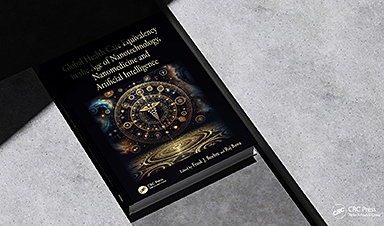
New book from Nanoappsmedical Inc. – Global Health Care Equivalency
A new book by Frank Boehm, NanoappsMedical Inc. Founder. This groundbreaking volume explores the vision of a Global Health Care Equivalency (GHCE) system powered by artificial intelligence and quantum computing technologies, operating on secure [...]
RNA Recycling Extends Lifespan
Summary: Researchers discovered a biological “trash disposal” mechanism that directly controls how fast we age. While circular RNA has long been known to accumulate in cells as we get older, this study proves for the [...]
Cancer’s Deadly Paradox: How Tumors Break Their Own DNA To Keep Growing
Cancer’s strongest gene switches push DNA into damaging overdrive, creating repeated breaks and repairs that may fuel tumor evolution while exposing possible therapeutic weak spots. A new study indicates that cancer can harm its own genetic [...]