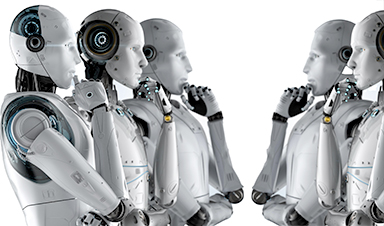
The chief executive of America’s largest public hospital system says he is prepared to start replacing radiologists with artificial intelligence in some circumstances, once the regulatory landscape catches up.
Mitchell H. Katz, MD, president and CEO of NYC Health + Hospitals, recently spoke during a panel discussion held by Crain’s New York Business. The trained internal medicine specialist noted how AI is increasingly being used to interpret mammograms and X-rays.
This presents an opportunity to save on how much hospitals spend on radiologists, who have become more costly amid rising demand for imaging, Crain’s reported Thursday.
“We could replace a great deal of radiologists with AI at this moment, if we are ready to do the regulatory challenge,” Katz said at the forum, held on March 25.
Katz—who has led the 11-hospital organization since 2018—said he sees great potential for AI to increase access to breast cancer screening. Hospitals could potentially produce “major savings” by letting the technology handle first reads, with radiologists then double-checking any abnormal screenings.
“For women who aren’t considered high risk, if the test comes back negative, it’s wrong only about 3 times out of 10,000,” Lubarsky said.
Katz asked fellow hospital CEOs if there is any reason why they shouldn’t be pushing for changes to New York state regulations, allowing AI to read images “without a radiologist,” Crain’s reported. In this scenario, rads could then provide second opinions, if AI flags any images as abnormal. Sandra Scott, MD, CEO of the One Brooklyn Health, a small hospital facing tight margins, agreed with this line of thinking, according to Crain’s.
“I mean, I’m in charge of a safety-net institution. It would be a game-changer,” Scott said about AI being used to replace rads.
The discussion comes after Dario Amodei, PhD, CEO of Anthropic, recently made similar statements about artificial intelligence replacing rads. In a podcast interview, he falsely stated that AI has taken over the specialty’s core function, allowing doctors to focus more on the human side of the job. Radiologists roundly criticized Amodei’s remarks. Mohammed Suhail, MD, a San Diego-based rad with North Coast Imaging, said the same about Katz’s comments on Monday.
“Undeniable proof that confidently uninformed hospital administrators are a danger to patients: easily duped by AI companies that are nowhere near capable of providing patient care,” Suhail told Radiology Business. “Any attempt to implement AI-only reads would immediately result in patient harm and death, and only someone with zero understanding of radiology would say something so naive. But in some sense, they’re correct: Hospitals are happy to cut costs even if it means patient harm, as long as it’s legal.”

News – Curated by Amanda Scott, Alias Group Creative
Follow her on Bluesky
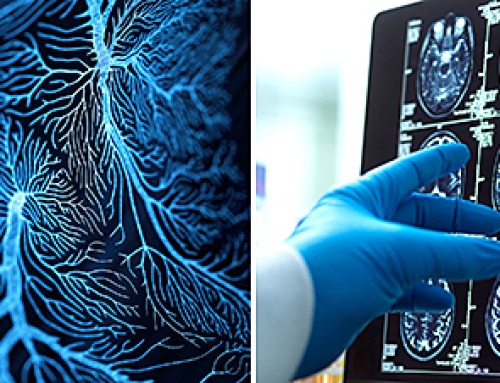
Back and shoulder surgery is often worse than useless
Millions of operations should be scrapped SIX IN TEN Britons have surgery at some point. So do lots of Americans, at a cost of perhaps $500bn a year, a third of all spending on [...]
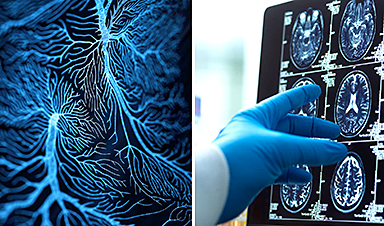
Cocaine plays with mind, hijacks brain circuit, drives increasingly rigid and repetitive behavior
Researchers have found that cocaine hijacks brain circuit, which to drive increasingly rigid and repetitive behavior. The brain circuit that normally participates in selecting natural mouth and face movements, but which becomes disproportionately engaged [...]
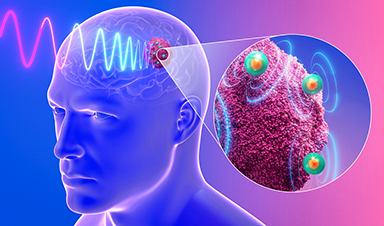
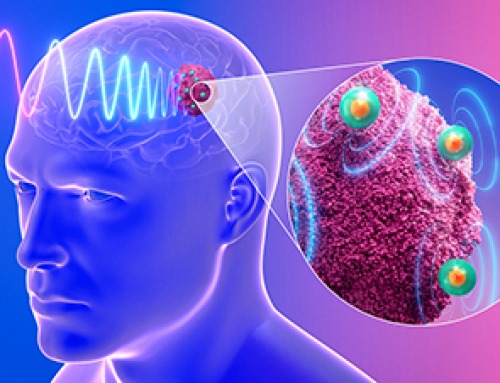
Injectable nanodevices could provide effective treatment for drug-resistant glioblastoma
The brain cancer glioblastoma is one of the most aggressive and treatment-resistant cancers known to medicine, carrying a median survival of just 12-15 months, even with the best available care. Now, researchers at the [...]
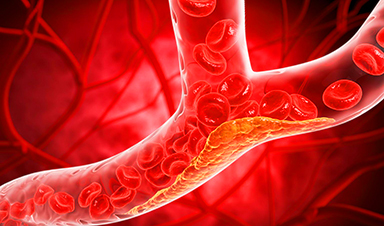
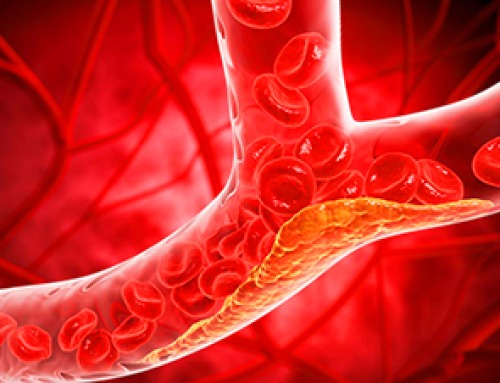
New Treatment Cuts “Bad” Cholesterol in Half for a Full Year
A single infusion of an experimental CRISPR-Cas9 therapy was reported to safely lower LDL cholesterol by 52.5% and triglycerides by 47.8%, as measured 12 months after treatment. What if one infusion could keep cholesterol [...]
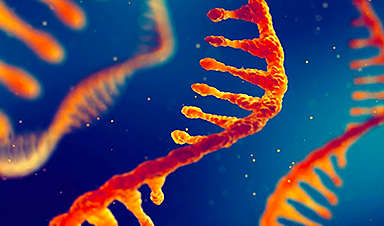
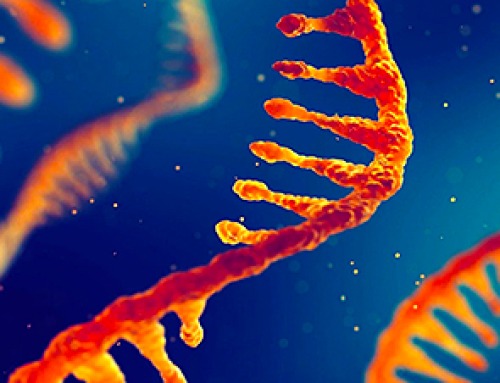
Too Much RNA Can Drain a Cell’s Energy, Scientists Discover
A virus may cripple a cell’s power supply simply by producing too much of a molecule the cell needs to survive. New research from the Texas A&M College of Veterinary Medicine and Biomedical Sciences [...]
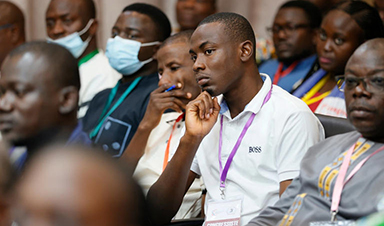
West African scientists warn of weakening health systems and urge stronger outbreak detection
LOME, Togo (AP) — West African laboratory scientists called on governments Friday to strengthen capacity to detect disease outbreaks to avoid another major outbreak, saying health systems across the region are becoming weaker. Participants [...]

A Little-Known Protein Could Point to a New Way To Treat Alzheimer’s
A study suggests that increasing SORLA protein levels could help treat Alzheimer’s disease and other disorders involving tau protein. Increasing SORLA, a protein with a protective role in the brain, helped mice withstand damage [...]
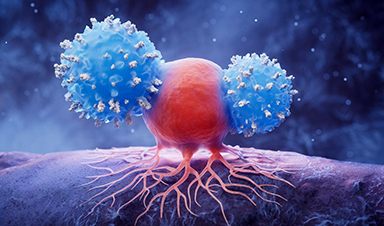
Cancer’s Hidden Antioxidant Shield Helps It Escape the Immune System
Blocking an antioxidant protein that tumors use to suppress immune attacks improved cancer immunotherapy responses in mice. Cancer cells can release antioxidants that interfere with the immune cells trying to kill them. Researchers have [...]

Scientists Find a Berry Compound That Helps Muscle Cells Burn Fat
Pterostilbene, a compound found naturally in some foods, affects how skeletal muscles process fats by stabilizing a protein called PPARδ and increasing its signaling activity. Pterostilbene, a natural compound found in blueberries, grapes, and [...]
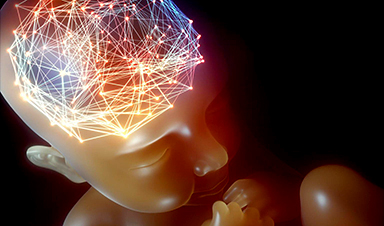
Two Hidden Forces Help Build the Human Brain Before Birth
Scientists have uncovered two surprising forces that help guide how the human brain forms before birth. Before birth, the human brain is shaped in large part by an unusual class of stem cells known [...]
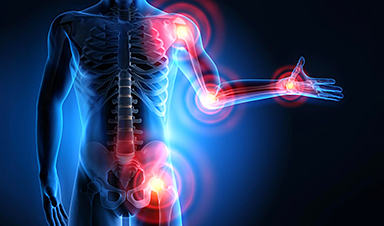
Researchers Uncover a Hidden Trigger Behind Chronic Inflammation
The findings offer new insights that could help guide the development of future therapies. A protein called human resistin may help flip on one of the immune system’s most powerful inflammatory switches. Researchers at [...]
Scientists Have Uncovered Previously Hidden Microbial Activity on Human Skin
The most abundant microbes on your skin may not be the ones doing most of the work. Human skin supports vast communities of bacteria, fungi, and viruses that can influence its protective barrier, immune [...]
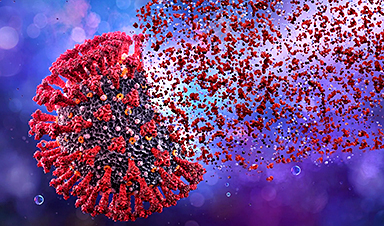
Brazilian Tree Compounds Fight COVID-19 on Multiple Fronts
Scientists found compounds in a Brazilian tree that hit SARS-CoV-2 on multiple fronts, revealing a promising new lead in the search for COVID-19 treatments. Researchers have found that galloylquinic acids extracted from the leaves [...]
Cutting Two Amino Acids Slowed Prostate Cancer in Mice
A newly identified link between amino acid metabolism and cholesterol production may help prostate tumors adapt to hormone therapy. Prostate cancer can find ways around treatments designed to deprive tumors of the hormones they [...]
Largest-Ever Physics Survey Raises New Doubts About Our Model of the Universe
Physicists around the world remain deeply divided on key mysteries of the universe, from dark matter to quantum gravity. The standard cosmological model failed to gain majority support, and no leading theory dominated the [...]
Scientists Just Overturned a 100-Year-Old Belief About Bacteria in the Lungs
New findings raise questions about the role of microbes living in the lungs. More than 35 trillion bacteria live throughout the human body, forming microbiomes in the gut, mouth, lungs, skin, and urogenital tract. [...]