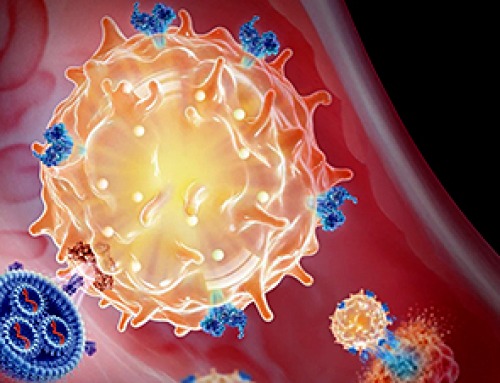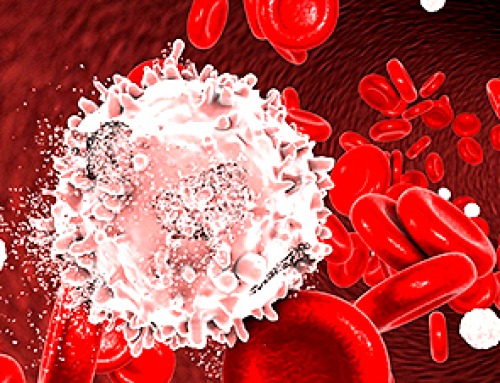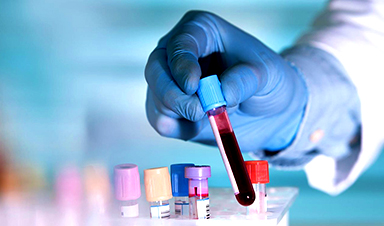
Mass General Brigham's HPV-DeepSeek test enables much earlier cancer detection through a blood sample, creating a new opportunity for screening HPV-related head and neck cancers.
Human papillomavirus (HPV) is responsible for about 70% of head and neck cancers in the United States, making it the most common type of cancer linked to the virus. Rates of these cancers continue to rise each year. Unlike HPV-related cervical cancers, which have established screening options, there is currently no test to detect HPV-associated head and neck cancers.
As a result, most cases are diagnosed only after tumors have already expanded to billions of cells, causing symptoms and often spreading to nearby lymph nodes. Developing screening tools that can identify these cancers much earlier would allow patients to begin treatment sooner and improve outcomes.
Detecting cancer years before symptoms
In a newly funded federal study published in the Journal of the National Cancer Institute, researchers at Mass General Brigham demonstrated that their liquid biopsy test, called HPV-DeepSeek, can detect HPV-related head and neck cancers as early as 10 years before symptoms develop. According to the study's authors, diagnosing these cancers earlier could increase treatment success rates and reduce the need for aggressive therapies.
"Our study shows for the first time that we can accurately detect HPV-associated cancers in asymptomatic individuals many years before they are ever diagnosed with cancer," said lead study author Daniel L. Faden, MD, FACS, a head and neck surgical oncologist and principal investigator in the Mike Toth Head and Neck Cancer Research Center at Mass Eye and Ear, a member of the Mass General Brigham healthcare system.
"By the time patients enter our clinics with symptoms from the cancer, they require treatments that cause significant, life-long side effects. We hope tools like HPV-DeepSeek will allow us to catch these cancers at their very earliest stages, which ultimately can improve patient outcomes and quality of life."
How HPV-DeepSeek works
HPV-DeepSeek relies on whole-genome sequencing to identify tiny fragments of HPV DNA that separate from tumors and circulate in the blood. Earlier studies by the same research group demonstrated that the test could reach 99% specificity and 99% sensitivity in diagnosing cancer at a patient's initial clinic visit, performing better than existing diagnostic approaches.
To determine whether HPV-DeepSeek could detect HPV-associated head and neck cancer long before diagnosis, researchers tested 56 samples from the Mass General Brigham Biobank: 28 from individuals who went on to develop HPV-associated head and neck cancer years later, and 28 from healthy controls.
HPV-DeepSeek detected HPV tumor DNA in 22 out of 28 blood samples from patients who later developed the cancer, whereas all 28 control samples tested negative, indicating that the test is highly specific. The test was better able to detect HPV DNA in blood samples that were collected closer to the time of the patients' diagnosis, and the earliest positive result was for a blood sample collected 7.8 years prior to diagnosis.
Using machine learning, the researchers were able to improve the test's power so that it accurately identified 27 out of 28 cancer cases, including samples collected up to 10 years prior to diagnosis.
The authors are now validating these findings in a second blinded study funded by the National Institutes of Health (NIH) using hundreds of samples collected as part of the Prostate, Lung, Colorectal, and Ovarian Cancer Screening Trial (PLCO) at the National Cancer Institute.
Reference: "Circulating tumor human papillomavirus DNA whole genome sequencing enables human papillomavirus-associated oropharynx cancer early detection" by Dipon Das, Shun Hirayama, Ling Aye, Michael E Bryan, Saskia Naegele, Brian Zhao, Vasileios Efthymiou, Julia Mendel, Adam S Fisch, Zoe Guan, Lea Kröller, Birgitta E Michels, Tim Waterboer, Jeremy D Richmon, Viktor Adalsteinsson, Michael S Lawrence, Matthew G Crowson, A John Iafrate and Daniel L Faden, 10 September 2025, JNCI: Journal of the National Cancer Institute.
DOI: 10.1093/jnci/djaf249
Funding for this work came from the National Institute of Dental and Craniofacial Research (NIDCR) of the National Institutes of Health (NIH), grant no. R03DE030550.
Faden receives salary support from NIH/NIDCR K23 DE029811, NIH/NIDCR R03 DE030550 and NIH/NCI R21 CA267152. He has also received research funding or in-kind funding from Bristol-Myers Squibb, Calico, Predicine, BostonGene, Neogenomics and Haystack (Quest), in addition to consulting fees from Merck, Noetic, Chrysalis Biomedical Advisors, Neogenomics, Arcadia, and Focus. None of these sources relate to the work in this manuscript. Waterboer serves on advisory boards for Merck (MSD) Sharp & Dohme. The remaining authors have declared no conflicts of interest.

News

Scientists Develop a Clever New Way To Kill Cancer Cells From the Inside
Scientists have developed an experimental strategy that exploits a chemical byproduct of cancer cells to produce anticancer drugs directly inside them. Scientists in Japan have developed an experimental method that uses a chemical produced [...]

Our books are available worldwide!
Online Sellers other than Amazon, Routledge, and IOPP Indigo Global Health Care Equivalency in the Age of Nanotechnology, Nanomedicine and Artifcial Intelligence Global Health Care Equivalency In The Age Of Nanotechnology, Nanomedicine And Artificial [...]

After only a short training, people in a coma managed to send targeted signals
Researchers have succeeded in communicating with brain-injured patients who are unconscious. They see enormous potential in this for future treatments. Patients who lie motionless in bed after a severe brain injury and do not [...]
MIT Scientists Reprogram Immune Cells Inside the Body To Destroy Cancer
Natural killer cells reprogrammed inside mice eliminated lymphoma tumors and helped damaged livers heal, though whether this approach could help people with cancer or autoimmune disease remains unknown. To make a cancer treatment from [...]

Melanoma mRNA Vaccine Shows Promise in Preventing Disease Recurrence
Key takeaways: Phase 3 trial finds personalized intismeran plus pembrolizumab may better prevent high-risk melanoma recurrence after surgery The trial enrolled 1,137 patients and builds on phase 2 results showing about half the recurrence [...]

Scientists Discover a Powerful New Weapon Against a Dangerous Gut Infection
The promise of an experimental treatment for C. difficile gut infections lies partly in the bacteria it leaves alive, according to early laboratory and mouse research. Broad-spectrum antibiotics can disrupt the gut’s microbial community, [...]
Your Bones May Hold a Hidden Clue to Blood Cancer Survival
For people with blood cancers called myelodysplastic syndromes, osteoporosis may hold an overlooked clue to survival, a three-year observational study suggests. In blood cancers that develop in the bone marrow, an important clue to [...]

Researchers Discover What Reading for Pleasure May Be Doing to Your Brain
Reading for pleasure may offer surprising benefits for the brain, with research linking the habit to better mental health, stronger cognitive abilities, and a lower risk of dementia. Reading for pleasure may do far [...]
Scientists Discover a Hidden Trigger That Keeps Inflammation Alive
Inflammation persists after proteins detach from immune receptors, revealing a potential target for autoimmune treatments. Since a Nobel Prize-winning discovery in the 1990s identified molecules called Toll-like Receptors as the guardians of the human [...]
A Virus Gives Itself Away the Moment It Attacks
Researchers have found the trigger behind a powerful bacterial defense against viruses. Viruses that prey on bacteria could become an increasingly important tool for treating bacterial infections, particularly as antibiotic resistance makes some infections [...]

Scientists Discover Aspirin May Slash Dementia Risk by 70% – but Only for Certain People
Aspirin was linked to a sharply lower dementia risk in some older adults, and their genes may hold the clue. A Monash University analysis found that older adults with a particular genetic profile had [...]
Inflammation May Awaken Dormant Cancer Cells Years After Treatment
The body’s response to inflammation may disturb cancer cells that have been lying silent for years, giving them an opportunity to grow again. Researchers at the Francis Crick Institute have found that gut inflammation [...]

Where do nanoparticles go once they enter the body?
New international best practice guidance, co-written at ANSTO, sets out how to measure where nanoparticles like titanium dioxide end up in the body and how long they remain. The guidance has been shared by [...]
Long-Acting HIV Shots Could Solve a Major Treatment Challenge for Young People
A major African trial suggests that changing how HIV treatment is delivered could significantly improve viral suppression in adolescents. Young people with HIV were more likely to keep the virus suppressed when they received [...]

WHO Factsheets – The top 10 causes of death
In 2023, the 10 leading causes of death accounted for 33 million deaths, or 54% of the total 61 million deaths worldwide. The top global causes of death, in order of total number of lives lost, [...]

Aging Cells May Be Hiding From the Immune System – Scientists Think They Know How
Your immune system is supposed to clear out damaged cells. Researchers may have found how some of them hide and linger as the body ages. Researchers led by Cedars-Sinai Health Sciences University have identified [...]