Vitamin D may help prevent type 2 diabetes in people with specific genetic variations, offering a possible path toward personalized diabetes prevention.
More than 40% of U.S. adults have prediabetes, a condition in which blood sugar levels are elevated but not yet high enough for a type 2 diabetes diagnosis. New research suggests vitamin D could help slow or prevent that progression in some people, depending on their genetics.
The study, published in JAMA Network Open, found that adults with prediabetes who carried certain variations of the vitamin D receptor gene had a 19% lower risk of developing diabetes when they took a high daily dose of vitamin D.
Researchers say the findings could eventually support more personalized approaches to diabetes prevention for the roughly 115 million Americans living with prediabetes.
The team examined data from the D2d study, a large multi-site clinical trial involving more than 2,000 U.S. adults with prediabetes. Participants received either 4,000 IU of vitamin D daily or a placebo to test whether supplementation could reduce diabetes risk.
Why the Original D2d Trial Raised New Questions
The original D2d trial did not show a significant drop in diabetes risk across all participants.
"But the D2d results raised an important question: Could vitamin D still benefit some people?" said Bess Dawson-Hughes, the study's lead author and a senior scientist at the Jean Mayer USDA Human Nutrition Research Center on Aging at Tufts University.
"Diabetes has so many serious complications that develop slowly over years. If we can delay the time period that an individual will spend living with diabetes, we can stop some of those harmful side effects or lessen their severity."
Earlier work from the D2d team found that participants with blood levels of 25-hydroxyvitamin D between 40 and 50 ng/mL or higher showed progressively greater reductions in diabetes risk.
Vitamin D Receptor Gene Variations Explained
Vitamin D in the bloodstream must first be converted into its active form before attaching to the vitamin D receptor, a protein that helps cells respond to the nutrient. Researchers suspected that genetic differences in this receptor could explain why vitamin D appeared to help some people but not others. Insulin-producing cells in the pancreas also contain vitamin D receptors, suggesting the vitamin may play a role in insulin release and blood sugar regulation.
For the new analysis, researchers examined genetic data from 2,098 trial participants who agreed to DNA testing. They compared people who appeared to benefit from vitamin D supplementation with those who did not, focusing on three common variations in the vitamin D receptor gene.
The results showed that adults with the AA variation of the ApaI vitamin D receptor gene, which accounted for about 30% of participants, did not benefit from high-dose vitamin D treatment compared with placebo. However, adults with the AC or CC variations experienced a significantly lower risk of developing diabetes when taking vitamin D.
Personalized Diabetes Prevention Potential
"The findings may represent an important step toward developing a personalized approach to lowering the risk of developing type 2 diabetes among high-risk adults," said Anastassios Pittas, the study's senior author, a professor of medicine at Tufts University School of Medicine, and chief of endocrinology, diabetes, and metabolism at Tufts Medical Center.
"Part of what makes vitamin D appealing as a potential preventive tool is that it is inexpensive, widely available, and easy for people to take."
Researchers stressed that the findings should not encourage people to start taking high doses of vitamin D without medical advice. Current recommendations call for 600 IU daily for people ages 1 to 70 and 800 IU daily for adults older than 70.
High Vitamin D Risks and Future Genetic Screening
Too much vitamin D can be harmful and has been associated with a greater risk of falls and fractures in older adults. Scientists say more studies are needed to determine which individuals could safely benefit from higher doses.
"Our findings suggest we may eventually be able to identify which patients with prediabetes are most likely to benefit from additional vitamin D supplementation," said Dawson-Hughes. "In principle, this could involve a single, relatively inexpensive genetic test."
Reference: "Vitamin D Receptor Polymorphisms and the Effect of Vitamin D Supplementation on Diabetes Risk Among Adults With Prediabetes" by Bess Dawson-Hughes, Gordon S. Huggins, Jason Nelson, Ellen Vickery, Sarah N. Powers and Anastassios G. Pittas, 23 April 2026, JAMA Network Open.
DOI: 10.1001/jamanetworkopen.2026.7332
Research reported in this article was supported by a cooperative agreement with the U.S. Department of Agriculture's Agricultural Research Service and by the National Institutes of Health under award number U01DK098245 (D2d study).

News – Curated by Amanda Scott, Alias Group Creative
Follow her on Bluesky

What is ‘American Covid’ and how bad is it?
Cases of so-called ‘American Covid’ are on the rise in the UK. The strain is officially called XFG, or ‘Stratus’, and is the most common variant in North America, hence the name. It might soon [...]

Researcher at Russian plague laboratory dies of ‘unknown’ infection
Russian authorities have imposed "anti-epidemic measures" after a laboratory worker at an institute in Siberia dedicated to studying the plague and other infectious diseases died of a mysterious illness. The researcher, a 28-year-old female [...]

GHCE Concept
From the preface of the book Global Health Care Equivalency in the Age of Nanotechnology, Nanomedicine and Artificial Intelligence, Edited by Frank Boehm: Since the publication of my first book (Nanomedical Device and Systems [...]
A Surprising Brain Signal Could Explain Why Eating Less Protein Extends Lifespan
A new paper suggests that limiting protein intake triggers a coordinated response throughout the body that may help explain how protein restriction affects healthy aging. Animals respond to protein restriction, or reduced protein in [...]

Back and shoulder surgery is often worse than useless
Millions of operations should be scrapped SIX IN TEN Britons have surgery at some point. So do lots of Americans, at a cost of perhaps $500bn a year, a third of all spending on [...]
Cocaine plays with mind, hijacks brain circuit, drives increasingly rigid and repetitive behavior
Researchers have found that cocaine hijacks brain circuit, which to drive increasingly rigid and repetitive behavior. The brain circuit that normally participates in selecting natural mouth and face movements, but which becomes disproportionately engaged [...]
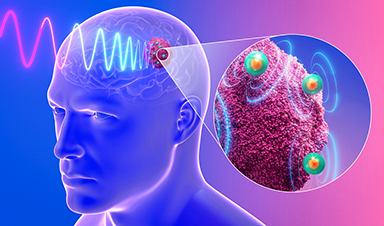
Injectable nanodevices could provide effective treatment for drug-resistant glioblastoma
The brain cancer glioblastoma is one of the most aggressive and treatment-resistant cancers known to medicine, carrying a median survival of just 12-15 months, even with the best available care. Now, researchers at the [...]
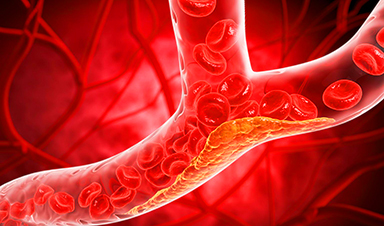
New Treatment Cuts “Bad” Cholesterol in Half for a Full Year
A single infusion of an experimental CRISPR-Cas9 therapy was reported to safely lower LDL cholesterol by 52.5% and triglycerides by 47.8%, as measured 12 months after treatment. What if one infusion could keep cholesterol [...]

Too Much RNA Can Drain a Cell’s Energy, Scientists Discover
A virus may cripple a cell’s power supply simply by producing too much of a molecule the cell needs to survive. New research from the Texas A&M College of Veterinary Medicine and Biomedical Sciences [...]

West African scientists warn of weakening health systems and urge stronger outbreak detection
LOME, Togo (AP) — West African laboratory scientists called on governments Friday to strengthen capacity to detect disease outbreaks to avoid another major outbreak, saying health systems across the region are becoming weaker. Participants [...]

A Little-Known Protein Could Point to a New Way To Treat Alzheimer’s
A study suggests that increasing SORLA protein levels could help treat Alzheimer’s disease and other disorders involving tau protein. Increasing SORLA, a protein with a protective role in the brain, helped mice withstand damage [...]
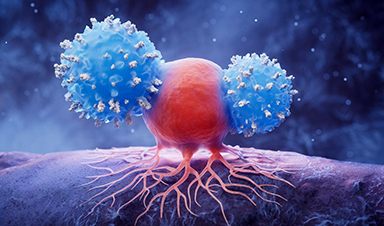
Cancer’s Hidden Antioxidant Shield Helps It Escape the Immune System
Blocking an antioxidant protein that tumors use to suppress immune attacks improved cancer immunotherapy responses in mice. Cancer cells can release antioxidants that interfere with the immune cells trying to kill them. Researchers have [...]

Scientists Find a Berry Compound That Helps Muscle Cells Burn Fat
Pterostilbene, a compound found naturally in some foods, affects how skeletal muscles process fats by stabilizing a protein called PPARδ and increasing its signaling activity. Pterostilbene, a natural compound found in blueberries, grapes, and [...]

Two Hidden Forces Help Build the Human Brain Before Birth
Scientists have uncovered two surprising forces that help guide how the human brain forms before birth. Before birth, the human brain is shaped in large part by an unusual class of stem cells known [...]
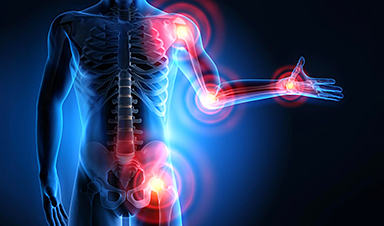
Researchers Uncover a Hidden Trigger Behind Chronic Inflammation
The findings offer new insights that could help guide the development of future therapies. A protein called human resistin may help flip on one of the immune system’s most powerful inflammatory switches. Researchers at [...]
Scientists Have Uncovered Previously Hidden Microbial Activity on Human Skin
The most abundant microbes on your skin may not be the ones doing most of the work. Human skin supports vast communities of bacteria, fungi, and viruses that can influence its protective barrier, immune [...]