Researchers identify a shared RNA-protein interaction that could lead to broad-spectrum antiviral treatments for enteroviruses.
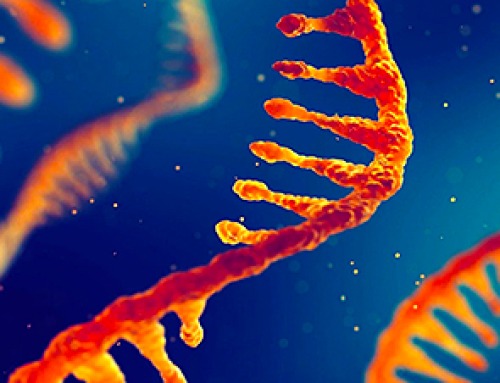
A new study from the University of Maryland, Baltimore County (UMBC), published in Nature Communications, explains how enteroviruses begin reproducing inside human cells. These viruses include those responsible for polio, encephalitis, myocarditis, and the common cold, and they start infection by taking over the cell's own molecular machinery.
The research was led by senior author Deepak Koirala, associate professor of chemistry and biochemistry, along with recent Ph.D. graduate Naba Krishna Das, and it addresses a long-standing gap in understanding this early stage of viral replication. The findings could also help guide the development of antiviral drugs that work against multiple enteroviruses.
"My lab has been really motivated to understand how RNA viruses produce their proteins inside the cell and multiply their genome to make more virus particles," Koirala says. Building on their discovery of a crucial cloverleaf structure in the viral RNA, Koirala's group has now shown how it recruits proteins to assemble the replication complex.
Seeing the bigger picture
Enteroviruses carry a very small RNA genome that must perform two essential tasks. It serves as instructions for making viral proteins and also acts as the template for copying itself to create new virus particles. While most of this compact genome codes for structural components, it also produces a limited set of proteins that are crucial for replication and not found in human cells.
One of these proteins is a combined molecule known as 3CD. One portion (3C) functions like molecular scissors, cutting the long chain of amino acids produced from the viral RNA into separate working proteins. The other portion (3D) acts as an RNA polymerase, the enzyme responsible for copying the viral RNA. Because human cells do not contain this type of polymerase, the virus must supply it on its own.
"We previously determined the structure of the RNA alone, and other groups determined the structure of 3C and 3D, but now we've captured the structure of the RNA and proteins together, so we know how they are interacting," Koirala explains. "We found that it's the 3C domain of 3CD that binds to the RNA in the viral genome, and then it recruits the other components, such as host protein PCBP2, to assemble the replication complex."
The same complex also works as an on-off switch: when 3CD is attached, the virus copies its RNA; when it lets go, the RNA can be read to make proteins instead.
Resolving a debate
Koirala's team used X-ray crystallography to visualize the interactions between the RNA cloverleaf and 3CD. They augmented those observations with isothermal titration calorimetry (ITC), a technique that quantifies the strength of an interaction by measuring the heat released when molecules bind, and biolayer interferometry (BLI), which tracks light interference to gauge binding duration.
The team also settled a debate by showing that two complete 3CD molecules (bringing two RNA polymerases) bind side-by-side on the RNA, rather than forming a single fused pair, as research from another group had suggested. Why two are needed is still a mystery, but the picture is now clear.
New therapeutic targets
Perhaps most exciting, the seven types of enteroviruses the paper investigated all employed a very similar binding mechanism and RNA cloverleaf structure. The extent of this conservation implies the RNA cloverleaf is very important for replication, and any mutations would likely derail it. That means the RNA and RNA-protein interface is likely to be stable over time and across enteroviruses, making it an even more promising drug target—and opening the door to the tantalizing prospect of a "universal" drug targeting all enteroviruses.
Drugs disrupting 3C and 3D activity are already in development, but "now we have another layer to test," Koirala says. "What if we target the RNA, or the RNA-protein interface, so that we break the interaction? That is another opportunity. Now that we have high-resolution structures, you can precisely design drug molecules to target them."
"Viruses are so, so clever. Their entire genome is equivalent to about one mRNA sequence in humans, yet they are so effective," Koirala says. His latest work demonstrates "why we need to investigate this basic science—so that it can be translated into developing drugs targeting pathogens that cause so many harmful diseases."
Reference: "Structural basis for 3C and 3CD recruitment by enteroviral genomes during negative-strand RNA synthesis" by Naba Krishna Das, Alisha Patel, Reem Abdelghani and Deepak Koirala, 21 October 2025, Nature Communications.
DOI: 10.1038/s41467-025-64376-0
Funding: U.S. National Science Foundation, NIH/National Institutes of Health

News
Cocaine plays with mind, hijacks brain circuit, drives increasingly rigid and repetitive behavior
Researchers have found that cocaine hijacks brain circuit, which to drive increasingly rigid and repetitive behavior. The brain circuit that normally participates in selecting natural mouth and face movements, but which becomes disproportionately engaged [...]
Injectable nanodevices could provide effective treatment for drug-resistant glioblastoma
The brain cancer glioblastoma is one of the most aggressive and treatment-resistant cancers known to medicine, carrying a median survival of just 12-15 months, even with the best available care. Now, researchers at the [...]
New Treatment Cuts “Bad” Cholesterol in Half for a Full Year
A single infusion of an experimental CRISPR-Cas9 therapy was reported to safely lower LDL cholesterol by 52.5% and triglycerides by 47.8%, as measured 12 months after treatment. What if one infusion could keep cholesterol [...]
Too Much RNA Can Drain a Cell’s Energy, Scientists Discover
A virus may cripple a cell’s power supply simply by producing too much of a molecule the cell needs to survive. New research from the Texas A&M College of Veterinary Medicine and Biomedical Sciences [...]
West African scientists warn of weakening health systems and urge stronger outbreak detection
LOME, Togo (AP) — West African laboratory scientists called on governments Friday to strengthen capacity to detect disease outbreaks to avoid another major outbreak, saying health systems across the region are becoming weaker. Participants [...]

A Little-Known Protein Could Point to a New Way To Treat Alzheimer’s
A study suggests that increasing SORLA protein levels could help treat Alzheimer’s disease and other disorders involving tau protein. Increasing SORLA, a protein with a protective role in the brain, helped mice withstand damage [...]
Cancer’s Hidden Antioxidant Shield Helps It Escape the Immune System
Blocking an antioxidant protein that tumors use to suppress immune attacks improved cancer immunotherapy responses in mice. Cancer cells can release antioxidants that interfere with the immune cells trying to kill them. Researchers have [...]

Scientists Find a Berry Compound That Helps Muscle Cells Burn Fat
Pterostilbene, a compound found naturally in some foods, affects how skeletal muscles process fats by stabilizing a protein called PPARδ and increasing its signaling activity. Pterostilbene, a natural compound found in blueberries, grapes, and [...]
Two Hidden Forces Help Build the Human Brain Before Birth
Scientists have uncovered two surprising forces that help guide how the human brain forms before birth. Before birth, the human brain is shaped in large part by an unusual class of stem cells known [...]
Researchers Uncover a Hidden Trigger Behind Chronic Inflammation
The findings offer new insights that could help guide the development of future therapies. A protein called human resistin may help flip on one of the immune system’s most powerful inflammatory switches. Researchers at [...]
Scientists Have Uncovered Previously Hidden Microbial Activity on Human Skin
The most abundant microbes on your skin may not be the ones doing most of the work. Human skin supports vast communities of bacteria, fungi, and viruses that can influence its protective barrier, immune [...]
Brazilian Tree Compounds Fight COVID-19 on Multiple Fronts
Scientists found compounds in a Brazilian tree that hit SARS-CoV-2 on multiple fronts, revealing a promising new lead in the search for COVID-19 treatments. Researchers have found that galloylquinic acids extracted from the leaves [...]
Cutting Two Amino Acids Slowed Prostate Cancer in Mice
A newly identified link between amino acid metabolism and cholesterol production may help prostate tumors adapt to hormone therapy. Prostate cancer can find ways around treatments designed to deprive tumors of the hormones they [...]

Largest-Ever Physics Survey Raises New Doubts About Our Model of the Universe
Physicists around the world remain deeply divided on key mysteries of the universe, from dark matter to quantum gravity. The standard cosmological model failed to gain majority support, and no leading theory dominated the [...]

Scientists Just Overturned a 100-Year-Old Belief About Bacteria in the Lungs
New findings raise questions about the role of microbes living in the lungs. More than 35 trillion bacteria live throughout the human body, forming microbiomes in the gut, mouth, lungs, skin, and urogenital tract. [...]

GHCE Concept
From the preface of the book Global Health Care Equivalency in the Age of Nanotechnology, Nanomedicine and Artificial Intelligence, Edited by Frank Boehm: Since the publication of my first book (Nanomedical Device and Systems [...]