This article provides an overview of the global nanomedicine market, highlighting key players, emerging technologies, and the challenges and opportunities that influence its growth and commercialization in the healthcare sector.
Nanomedicines are nanotechnology-based drug products developed by combining suitable nanocarriers with active pharmaceutical ingredients (APIs) to treat, diagnose, or prevent various diseases.
The U.S. Food and Drug Administration (FDA) defines nanomedicines as products with at least one dimension in the nanoscale range (1–100 nm) that exhibit distinct chemical, physical, or biological properties compared to larger-scale counterparts.
The nanoscale structure and surface properties of nanomedicines enhance drug solubility, stability, selectivity, targeted delivery, and bioavailability, thereby improving efficacy in treating complex diseases such as cancer, cardiovascular disorders, and neurological conditions.1
Market Overview
The global nanomedicine market, valued at approximately USD 189.55 billion in 2023, is projected to exceed USD 562.95 billion by 2033, reflecting a compound annual growth rate (CAGR) of 11.5 % from 2024 to 2033.2
This growth is driven by advancements in nano-pharmaceuticals and the increasing demand for more effective treatments for cancer, immune system diseases, nervous system disorders, and infectious diseases like AIDS.
A significant trend in this sector is the focus on personalized medicine, where nano-pharmaceuticals facilitate tailored therapies based on individual genetic profiles. This approach improves treatment outcomes through targeted drug delivery, reducing side effects.
For instance, nanomedicines like Doxil and Abraxane have enhanced efficacy in cancer treatment by selectively targeting cancer cells, minimizing damage to healthy tissues, and lowering toxic side effects.
With over 500 active clinical trials involving nanoparticles and more than 100 FDA-approved nanomedicines, the sector is attracting significant investment from major pharmaceutical companies.3
Key Players in the Nanomedicine Market
Several companies and research institutions are at the forefront of nanomedicine development, driving healthcare innovation through new therapies and diagnostics.
Bristol-Myers Squibb
As one of the world’s largest pharmaceutical companies, Bristol Myers Squibb actively develops nanotechnology-based drug delivery systems. It is a leading patent filer in drug delivery nanoparticles, with a focus on oncology, immunology, hematology, and fibrotic diseases.
The company’s use of liposomes to enhance drug targeting, particularly in cancer treatment, has resulted in innovative formulations like Abraxane, which uses nanoparticle-bound albumin for treating metastatic breast cancer.4,5
Moderna
Moderna, a pioneer in mRNA therapeutics, gained global recognition for developing the COVID-19 mRNA vaccine. Its innovative use of lipid nanoparticles to encapsulate mRNA represents a significant advancement in nanomedicine, providing a framework for future therapies targeting various infectious diseases and cancers.6
Nanobiotix
Nanobiotix, a late-stage clinical biotechnology firm based in France, specializes in developing nanotechnology-based treatments for cancer. Its flagship product, NBTXR3, enhances radiotherapy by increasing radiation absorption in tumor cells, improving treatment outcomes with minimal side effects. It is undergoing clinical trials for non-small cell lung and head and neck cancer.7
Generation Bio
Generation Bio is another key player focusing on genetic medicines. Its proprietary cell-targeted lipid nanoparticle (ctLNP) technology enables selective targeting of therapeutic agents to specific tissues while minimizing off-target effects. This innovative approach has significant potential for in vivo cell therapies, such as reprogramming T cells within the patient’s body.8
Jazz Pharmaceuticals
Jazz Pharmaceuticals is a global biopharmaceutical specializing in oncology and neuroscience. Its FDA-approved product, Vyxeos™, is a liposomal formulation combining daunorubicin and cytarabine, indicated for treating therapy-related acute myeloid leukemia. This liposomal delivery system enhances the efficacy of cancer treatment while reducing toxicity compared to traditional drug administration.9
Cytiva
Other notable players include Ratiopharm, which markets the nanoparticle-bound albumin product Pazenir for various cancers, and Pacira, known for ZILRETTA, the first non-opioid treatment for osteoarthritis knee pain using extended-release microsphere technology.12,13
Recent Developments in the Nanomedicine Market
The nanomedicine market is evolving through several emerging technologies that are reshaping the future of healthcare.
On-Site Production of Nanomedicines for Real-Time Treatments
One of the most promising areas of development is the on-site production of nanomedicines. A recent study by researchers at the University of Oklahoma explored tools designed for producing nanomedicines, including vaccine formulations, directly at the point of care.
This approach addresses the limitations of centralized facilities, shipping challenges, and extreme cold storage requirements experienced during the COVID-19 pandemic.
The research team utilized components from 3D printers to create a T-mixer device that facilitates mixing fluid streams containing nanomedicine building blocks and their payloads.
This innovative system not only enhances the accessibility and efficiency of nanomedicine production but can also revolutionize personalized medicine by enabling real-time production of tailored treatments, ultimately improving patient outcomes and reducing the logistical complexities associated with traditional manufacturing processes.14
World’s First Regulatory Guidelines to Accelerate Clinical Translation
While technological advancements are crucial in nanomedicine, standardized frameworks are equally important for improving development and efficacy.
For example, despite recent successes with chemotherapy and vaccine-based nanomedicines, particularly lipid nanoparticles used in mRNA vaccines during the COVID-19 pandemic, clinical translation remains limited relative to research volume.
To address this, a global team of experts established “the DELIVER guidelines,” the world’s first research quality standards designed to reduce costs and accelerate the development of advanced nanomedicine treatments.
These guidelines offer recommendations across various phases, including design, experimentation, manufacturing, preclinical, clinical, regulatory, and business stages, thus maximizing clinical translation potential.
The DELIVER framework will provide essential principles for researchers, clinicians, and regulatory bodies to navigate translational challenges and minimize delays, facilitating personalized therapies tailored to individual patient needs and offering renewed hope for innovative medical solutions.15,16
Challenges in the Nanomedicine Market
The nanomedicine market faces significant challenges that hinder the transition from research to clinical applications.
Despite extensive studies on nanoformulations, only a small fraction progress to market assessments, with even fewer receiving final approval; reports indicate that less than 10 % of basic scientific research successfully translates into clinical applications. This gap, often referred to as the “valley of death,” makes the shift from laboratory to market costly and time-consuming, ultimately increasing healthcare expenses.
Several factors contribute to these challenges. The discrepancy between the in vivo and in vitro behavior of nanoparticles complicates understanding their clinical effectiveness. Tumor complexity and heterogeneity also hinder nanoformulation efficacy, as different tumors display varying gene expression profiles and drug resistance. Moreover, the multifaceted nature of some formulations adds complexity to the approval process, impeding the advancement of nanomedicines to market.
The threat of failure is significant in this landscape, as exemplified by BIND Therapeutics Inc., which declared bankruptcy in 2013 after its promising anticancer nanomedicine, BIND-014, failed to demonstrate efficacy in larger clinical trials despite initial success.
Opportunities for Growth and Development
Despite these challenges, opportunities for growth and development exist in the nanomedicine sector. The market for nanopharmaceuticals is anticipated to advance over the next five years, driven by innovations in bionanotechnology and nanoengineering. Key drivers for development include the establishment of clearer guidelines for nanotechnology-based drugs, increased government funding, and stronger collaboration between startups and established pharmaceutical companies.
To unlock the full potential of nanomedicines, stakeholders must advocate for adaptable intellectual property and regulatory frameworks tailored to the sector’s unique needs. Additionally, prioritizing long-term strategic planning over short-term gains will be essential for navigating the complexities of the nanomedicine landscape and ensuring successful market integration.17
References and Further Reading
- Shan, X., Gong, X., Li, J., Wen, J., Li, Y., Zhang, Z. (2022). Current approaches of nanomedicines in the market and various stage of clinical translation. Acta pharmaceutica Sinica. B. https://doi.org/10.1016/j.apsb.2022.02.025
- Precedence Research. (2024). Nanomedicine Market Size, Share, and Trends 2024 to 2034. [Online] Precedence Research. Available at: https://www.precedenceresearch.com/nanomedicine-market
- Liu, Q., Zou, J., Chen, Z., He, W., Wu, W. (2023). Current research trends of nanomedicines. Acta Pharmaceutica Sinica. https://doi.org/10.1016/j.apsb.2023.05.018
- Global Data. (2024). Leading innovators in drug delivery nanoparticles for the pharmaceutical industry. [Online] Pharmaceutical Technology. Available at: https://www.pharmaceutical-technology.com/data-insights/innovators-iot-nanoparticles-for-drug-delivery-pharmaceutical/
- Bristol-Myers Squibb. (2021). It’s not all smiles in drug development. [Online] Bristol-Myers Squibb. Available at: https://www.bms.com/life-and-science/science/unusual-liposome-image-during-drug-development.html
- Huang, X., Kong, N., Zhang, X., Cao, Y., Langer, R., Tao, W. (2022). The landscape of mRNA nanomedicine. Nature Medicine. https://doi.org/10.1038/s41591-022-02061-1
- Nanobiotix. (2024). A new standard in radiation oncology. [Online] Nanobiotix. Available at: https://nanobiotix.com/pipeline/
- Generation Bio. (2024). It’s time to unlock the full potential of genetic medicine. [Online] Generation Bio. Available at: https://generationbio.com/our-science
- Jazz Pharmaceuticals. (2022). Understanding treatment with VYXEOS, an advancementa,b in secondary AML therapy. [Online] Jazz Pharmaceuticals. Available at: https://vyxeos.com/
- Cytiva. (2024). NanoAssemblr™ commercial formulation system. [Online] Cytiva. Available at: https://www.cytivalifesciences.com/en/us/shop/lipid-nanoparticle-instruments-and-reagents/nanoparticle-formulation-systems/nanoassemblr-commercial-formulation-system-p-45337?srsltid=AfmBOopKpeQb_v_sVLMmejpjM2IYsBz–Qi79zKTKzDvPPr9L6WDwCgH
- Cytiva. (2024). Unleash The Potential Of RNA-LNPS Together. [Online] Cytiva. Available at: https://www.precisionnanosystems.com/
- European Medicines Agency. (2024). Pazenir. [Online] EMA. Available at: https://www.ema.europa.eu/en/medicines/human/EPAR/pazenir
- Pacira Pharmaceuticals. (2024). A non-opioid option for significant extended relief of OA knee pain. [Online] Pacira Pharmaceuticals. https://www.pacira.com/products/zilretta
- Young, H., He, Y., Joo, B., Ferguson, S., Demko, A., Butterfield, SK., Lowe, J., Mjema, NF., Sheth, V., Whitehead, L., Ruiz-Echevarria, MJ., Wilhelm, S. (2024). Toward the Scalable, Rapid, Reproducible, and Cost-Effective Synthesis of Personalized Nanomedicines at the Point of Care. Nano letters. https://doi.org/10.1021/acs.nanolett.3c04171
- Mansfield, A. (2024). Global experts help nanomedicines DELIVER on healthcare promise. [Online]. The University of South Australia. Available at: https://www.unisa.edu.au/media-centre/Releases/2024/global-experts-help-nanomedicines-deliver-on-healthcare-promise/
- Joyce, P., et al. (2024). A translational framework to DELIVER nanomedicines to the clinic. Nature Nanotechnology. https://doi.org/10.1038/s41565-024-01754-7
- Farjadian, F., Ghasemi, A., Gohari, O., Roointan, A., Karimi, M., Hamblin, MR. (2019). Nanopharmaceuticals and nanomedicines currently on the market: challenges and opportunities. Nanomedicine. https://doi.org/10.2217/nnm-2018-0120

News

What is ‘American Covid’ and how bad is it?
Cases of so-called ‘American Covid’ are on the rise in the UK. The strain is officially called XFG, or ‘Stratus’, and is the most common variant in North America, hence the name. It might soon [...]
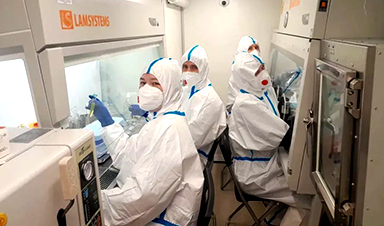
Researcher at Russian plague laboratory dies of ‘unknown’ infection
Russian authorities have imposed "anti-epidemic measures" after a laboratory worker at an institute in Siberia dedicated to studying the plague and other infectious diseases died of a mysterious illness. The researcher, a 28-year-old female [...]

GHCE Concept
From the preface of the book Global Health Care Equivalency in the Age of Nanotechnology, Nanomedicine and Artificial Intelligence, Edited by Frank Boehm: Since the publication of my first book (Nanomedical Device and Systems [...]

A Surprising Brain Signal Could Explain Why Eating Less Protein Extends Lifespan
A new paper suggests that limiting protein intake triggers a coordinated response throughout the body that may help explain how protein restriction affects healthy aging. Animals respond to protein restriction, or reduced protein in [...]

Back and shoulder surgery is often worse than useless
Millions of operations should be scrapped SIX IN TEN Britons have surgery at some point. So do lots of Americans, at a cost of perhaps $500bn a year, a third of all spending on [...]
Cocaine plays with mind, hijacks brain circuit, drives increasingly rigid and repetitive behavior
Researchers have found that cocaine hijacks brain circuit, which to drive increasingly rigid and repetitive behavior. The brain circuit that normally participates in selecting natural mouth and face movements, but which becomes disproportionately engaged [...]
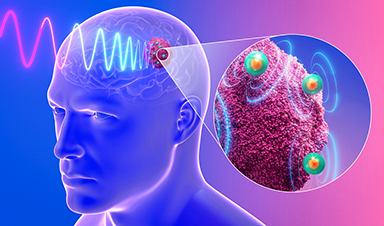
Injectable nanodevices could provide effective treatment for drug-resistant glioblastoma
The brain cancer glioblastoma is one of the most aggressive and treatment-resistant cancers known to medicine, carrying a median survival of just 12-15 months, even with the best available care. Now, researchers at the [...]
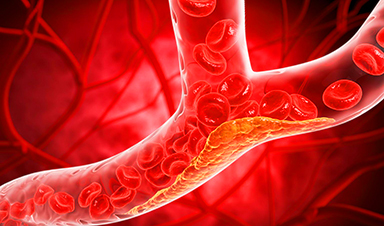
New Treatment Cuts “Bad” Cholesterol in Half for a Full Year
A single infusion of an experimental CRISPR-Cas9 therapy was reported to safely lower LDL cholesterol by 52.5% and triglycerides by 47.8%, as measured 12 months after treatment. What if one infusion could keep cholesterol [...]

Too Much RNA Can Drain a Cell’s Energy, Scientists Discover
A virus may cripple a cell’s power supply simply by producing too much of a molecule the cell needs to survive. New research from the Texas A&M College of Veterinary Medicine and Biomedical Sciences [...]

West African scientists warn of weakening health systems and urge stronger outbreak detection
LOME, Togo (AP) — West African laboratory scientists called on governments Friday to strengthen capacity to detect disease outbreaks to avoid another major outbreak, saying health systems across the region are becoming weaker. Participants [...]

A Little-Known Protein Could Point to a New Way To Treat Alzheimer’s
A study suggests that increasing SORLA protein levels could help treat Alzheimer’s disease and other disorders involving tau protein. Increasing SORLA, a protein with a protective role in the brain, helped mice withstand damage [...]
Cancer’s Hidden Antioxidant Shield Helps It Escape the Immune System
Blocking an antioxidant protein that tumors use to suppress immune attacks improved cancer immunotherapy responses in mice. Cancer cells can release antioxidants that interfere with the immune cells trying to kill them. Researchers have [...]

Scientists Find a Berry Compound That Helps Muscle Cells Burn Fat
Pterostilbene, a compound found naturally in some foods, affects how skeletal muscles process fats by stabilizing a protein called PPARδ and increasing its signaling activity. Pterostilbene, a natural compound found in blueberries, grapes, and [...]

Two Hidden Forces Help Build the Human Brain Before Birth
Scientists have uncovered two surprising forces that help guide how the human brain forms before birth. Before birth, the human brain is shaped in large part by an unusual class of stem cells known [...]

Researchers Uncover a Hidden Trigger Behind Chronic Inflammation
The findings offer new insights that could help guide the development of future therapies. A protein called human resistin may help flip on one of the immune system’s most powerful inflammatory switches. Researchers at [...]

Scientists Have Uncovered Previously Hidden Microbial Activity on Human Skin
The most abundant microbes on your skin may not be the ones doing most of the work. Human skin supports vast communities of bacteria, fungi, and viruses that can influence its protective barrier, immune [...]