COVID-19 continues to claim lives around the world and is infecting millions more. Although several vaccines have recently become available, making significant strides towards preventing COVID-19, what about the treatment of those who already have the infection? Vaccines aren’t 100% effective, highlighting the need—now more than ever—for effective antiviral therapeutics. Moreover, some people can’t receive vaccines due to health issues, and new variants of SARS-CoV-2, the virus that causes COVID-19, that can penetrate vaccine-conferred immunity, are being reported, indicating that we need to think beyond prevention.
To achieve this goal, the researchers first established an experimental system for screening drugs that may help to control infections. This system used a type of cells called VeroE6/TMPRSS2 cells, which were manipulated to efficiently be infected with and produce SARS-CoV-2. “To determine whether a drug of interest could help combat infection by SARS-CoV-2, we simply had to expose VeroE6/TMPRSS2 cells to both the drug and SARS-CoV-2 and then observe whether the drug’s presence served to hinder the virus’s efforts to infect cells,” explains Professor Watashi.
The researchers used this experimental system to screen a panel of drugs that are already approved for clinical use, including drugs like remdesivir and chloroquine that have already being approved or are being trialed as treatments for COVID-19. In an exciting outcome, the researchers found two drugs that provided effective SARS-CoV-2 suppression: cepharanthine, which is used to treat inflammation, and nelfinavir, which is approved for the treatment of HIV infection.
Cepharanthine inhibited the entry of the virus into cells by preventing the virus from binding to a protein on the cell membrane, which it uses as a gateway. In contrast, nelfinavir worked to prevent the virus from replicating inside the cell by inhibiting a protein that the virus relies on for replication. Given that these drugs have distinct antiviral mechanisms, using both of them together could be especially effective for patients, with computational models predicting that combined cepharanthine/nelfinavir therapy can hasten the clearance of SARS-CoV-2 from a patient’s lungs by as few as 4.9 days.

News
Catching COVID significantly raises the risk of developing kidney disease, researchers find
Catching Covid significantly raises the risk of developing deadly kidney disease, research has shown. The virus was found to increase the chances that patients will develop the incurable condition by around 50 per cent. [...]
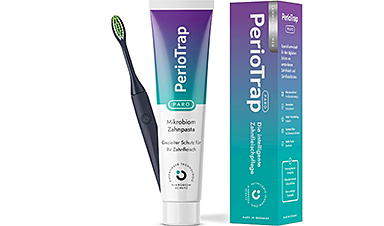
New Toothpaste Stops Gum Disease Without Harming Healthy Bacteria
Researchers have developed a targeted approach to combat periodontitis without disrupting the natural balance of the oral microbiome. The innovation could reshape how gum disease is treated while preserving beneficial bacteria. The human mouth [...]

Plastic Without End: Are We Polluting the Planet for Eternity?
The Kunming Montreal Global Biodiversity Framework calls for the elimination of plastic pollution by 2030. If that goal has been clearly set, why have meaningful measures that create real change still not been implemented? [...]
Scientists Rewire Natural Killer Cells To Attack Cancer Faster and Harder
Researchers tested new CAR designs in NK-92 cells and found the modified cells killed tumor cells more effectively, showing stronger anti-cancer activity. Researchers at the Ribeirão Preto Blood Center and the Center for Cell-Based [...]
New “Cellular” Target Could Transform How We Treat Alzheimer’s Disease
A new study from researchers highlights an unexpected player in Alzheimer’s disease: aging astrocytes. Senescent astrocytes have been identified as a major contributor to Alzheimer’s progression. The cells lose protective functions and fuel inflammation, particularly in [...]
Treating a Common Dental Infection… Effects That Extend Far Beyond the Mouth
Successful root canal treatment may help lower inflammation associated with heart disease and improve blood sugar and cholesterol levels. Treating an infected tooth with a successful root canal procedure may do more than relieve [...]
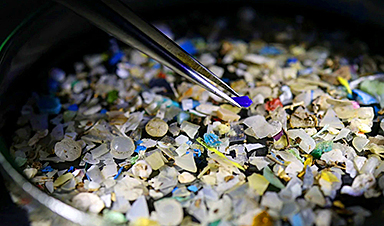
Microplastics found in prostate tumors in small study
In a new study, researchers found microplastics deep inside prostate cancer tumors, raising more questions about the role the ubiquitous pollutants play in public health. The findings — which come from a small study of 10 [...]
All blue-eyed people have this one thing in common
All Blue-Eyed People Have This One Thing In Common Blue Eyes Aren’t Random—Research Traces Them Back to One Prehistoric Human It sounds like a myth at first — something you’d hear in a folklore [...]
Scientists reveal how exercise protects the brain from Alzheimer’s
Researchers at UC San Francisco have identified a biological process that may explain why exercise sharpens thinking and memory. Their findings suggest that physical activity strengthens the brain's built in defense system, helping protect [...]
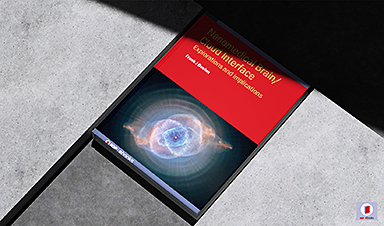
NanoMedical Brain/Cloud Interface – Explorations and Implications. A new book from Frank Boehm
New book from Frank Boehm, NanoappsMedical Inc Founder: This book explores the future hypothetical possibility that the cerebral cortex of the human brain might be seamlessly, safely, and securely connected with the Cloud via [...]
Deadly Pancreatic Cancer Found To “Wire Itself” Into the Body’s Nerves
A newly discovered link between pancreatic cancer and neural signaling reveals a promising drug target that slows tumor growth by blocking glutamate uptake. Pancreatic cancer is among the most deadly cancers, and scientists are [...]

This Simple Brain Exercise May Protect Against Dementia for 20 Years
A long-running study following thousands of older adults suggests that a relatively brief period of targeted brain training may have effects that last decades. Starting in the late 1990s, close to 3,000 older adults [...]
Scientists Crack a 50-Year Tissue Mystery With Major Cancer Implications
Researchers have resolved a 50-year-old scientific mystery by identifying the molecular mechanism that allows tissues to regenerate after severe damage. The discovery could help guide future treatments aimed at reducing the risk of cancer [...]
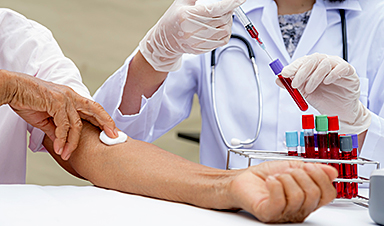
This New Blood Test Can Detect Cancer Before Tumors Appear
A new CRISPR-powered light sensor can detect the faintest whispers of cancer in a single drop of blood. Scientists have created an advanced light-based sensor capable of identifying extremely small amounts of cancer biomarkers [...]

Blindness Breakthrough? This Snail Regrows Eyes in 30 Days
A snail that regrows its eyes may hold the genetic clues to restoring human sight. Human eyes are intricate organs that cannot regrow once damaged. Surprisingly, they share key structural features with the eyes [...]
This Is Why the Same Virus Hits People So Differently
Scientists have mapped how genetics and life experiences leave lasting epigenetic marks on immune cells. The discovery helps explain why people respond so differently to the same infections and could lead to more personalized [...]