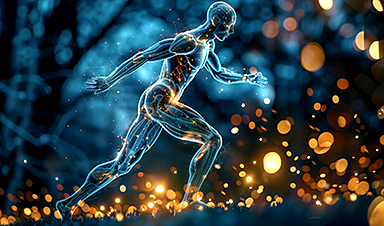
- MoTrPAC examined the molecular effects of exercise on 2,600 volunteers, incorporating factors like age, race, and gender diversity.
- Building upon research in rats, MoTrPAC discovered over 35,000 biological molecules responding to endurance exercise and widespread gender differences in responses.
- Initial findings from MoTrPAC underscore the importance of including both sexes in exercise research to fully understand its health implications, advocating for diverse representation in future studies.
- By tracking exercise's impact on biological molecules, MoTrPAC aims to develop personalized exercise regimens, offering tailored approaches to treat or prevent various health conditions.
Scientists Decode Exercise's Molecular Impact
For the past eight years, researchers have been conducting a groundbreaking study supported by the National Institutes of Health (NIH) Common Fund: The Molecular Transducers of Physical Activity Consortium (MoTrPAC). With nearly 2,600 volunteers, the study aims to examine the molecular effects of exercise on healthy adults and children, considering factors like age, race, and gender. The goal is to create comprehensive molecular maps of these changes and uncover why physical activity has significant health benefits.
"This is an unprecedented large-scale effort to begin to explore—in extreme detail—the biochemical, physiological, and clinical impact of exercise," said Russell Tracy, PhD., a University of Vermont Distinguished Professor of Pathology and Laboratory Science. "I'm pleased and honored that our lab at UVM was chosen to be the MoTrPAC Biorepository, and anticipate that the MoTrPAC 'maps,' when coupled with the carefully collected biosamples, will prove enormously useful over the next decade or more of related studies."
Preliminary Research Findings
In a series of papers published today (May 1) in Nature, MoTrPAC researchers laid out their preliminary findings. Scientists discovered unique molecular responses to endurance exercise in different tissues, with mitochondria exhibiting varied changes across the body. Notably, adrenal glands showed significant alterations in nearly half of mitochondria-associated genes following endurance training, a previously unexplored aspect.
Gender differences were observed in molecular responses across various tissues, particularly in white fat tissue, suggesting implications for personalized exercise recommendations, especially in conditions like obesity.
These findings underscore the importance of including both sexes in exercise research to comprehensively understand its health effects.

Research Technician Sandra May checks new samples into the UVM Laboratory for Clinical Biochemistry Research, a key site for the pioneering eight-year MoTrPAC study. Credit: University of Vermont
Funding and Methodology
Twenty-two grants—totaling approximately $226 million in Common Fund support—have bolstered the work of researchers across the country—including Tracy and Jessica Rooney, M.P.H., and other members of the Larner College of Medicine team at the University of Vermont. The study involves various exercise regimens and collects biospecimens before, during, and after exercise.
Recipients of the grant worked as a consortium to develop plans for recruitment into the clinical trial portion of MoTrPAC, identification of methods to analyze tissue samples, and selection of animal models to best replicate human studies. Animal models allowed researchers to search for changes in tissues not easily accessible in human patients, such as the brain, lungs, and kidneys.
Lessons learned from initial phases in animals were then used to optimize protocols for full-scale recruitment. The ultimate aim is to personalize exercise recommendations based on individual needs and traits, potentially leading to significant advancements in health and treatment approaches.
Consortium Network and Management
The MoTrPAC network is a robust one—The Consortium Coordinating Center (CCC), comprising the Administrative Coordinating Core (ACC), Biospecimens Repository Core (BRC), Exercise Intervention Core (EIC), and Data Management, Analysis, and Quality Control (DMAQC) Core, provide essential support to the dozens of teams involved in this project. Led by four principal investigators, the CCC collaborates with Clinical Sites, Preclinical Animal Study Sites, Bioinformatics Center, Chemical Analysis Sites, and various committees.
The CCC employs strategies for integration, safety monitoring, and effective communication. Wake Forest University School of Medicine serves as the hub, with the DMAQC Core managing many of the project's aspects. The CCC emphasizes rigorous research practices, real-time tracking, and extensive experience in coordinating large clinical trials. Its goals include fostering team science, ensuring research transparency, managing biological samples, coordinating preclinical studies, resource sharing, publishing results, and implementing analytical best practices.
Leadership and Future Prospects
Tracy is a key figure in MoTrPAC as one of the 4 principal investigators of the CCC, which secured $10 million in support. His specific role involves vice-chairing the MoTrPAC Steering Committee (SC) and leading the Biospecimens Repository Core (BRC). This core is responsible for collecting, storing, and managing biological samples from participants and animals involved in the study all of which must be done under cryopreservation conditions.
The biospecimens, which include blood, fat, and muscle tissues in humans, are crucial for the molecular analyses that aim to understand the changes occurring in the body due to exercise. His group then distributed these biological specimens to the MoTrPAC investigators, as well as other investigators who wish to conduct studies related to this large-scale exploration of the effects of exercise. Tracy's leadership in the BRC indicates his crucial role in designing and implementing the protocols for biospecimen collection and ensuring the quality and integrity of these samples throughout the study.
With additional findings from the MoTrPAC study being released throughout the coming year, Tracy and his colleagues are poised to reshape our understanding of exercise's molecular basis and impact on human health.
Reference: "Temporal dynamics of the multi-omic response to endurance exercise training" 1 May 2024, Nature.
DOI: 10.1038/s41586-023-06877-w

News
Scientists Just Challenged a Decades-Old Belief About How Cells Work
The tools scientists use to study cells may be changing the very proteins they observe, raising questions about decades of research into how cells maintain their structure. For decades, textbooks and hundreds of scientific [...]

New OpenAI benchmark tests how well models reason complex drug discovery tasks
MedChemBench tests AI reasoning across 99 chemistry problems, exposing gaps in drug property prediction. Key Takeaways MedChemBench evaluates model performance across 99 medicinal chemistry problems drawn from 117 papers and patents. GPT-6 Astra earned [...]
New CRISPR therapy is poised to gain first FDA approval to alter genes inside the body
A single infusion that edits a gene directly inside a patient's liver appears to keep working four years later, according to its developer, Intellia Therapeutics. The treatment now awaits a decision from the US [...]

Blockchain in Healthcare: Real Applications
Blockchain in healthcare refers to the use of distributed ledger technology to secure, manage, and share medical data and processes. Applications include patient record management, prescription tracking, and supply chain authentication, all designed to [...]

Our books are available worldwide!
Online Sellers other than Amazon, Routledge, and IOPP Indigo Global Health Care Equivalency in the Age of Nanotechnology, Nanomedicine and Artifcial Intelligence Global Health Care Equivalency In The Age Of Nanotechnology, Nanomedicine And Artificial [...]

Scientists Discover a Surprising New Power of Honey That Could Protect Your Skin
Honey’s medical uses may go beyond healing wounds, as laboratory experiments suggest multifloral honey could strengthen human skin cells’ defenses against damaging UV radiation. Ultraviolet (UV) radiation from sunlight can accelerate skin aging and [...]
Scientists Discover That Male and Female Hearts Age in Surprisingly Different Ways
A new study reveals surprising differences in how male and female hearts age at the cellular level. The heart may age very differently from one region to another. A detailed study of mouse hearts [...]
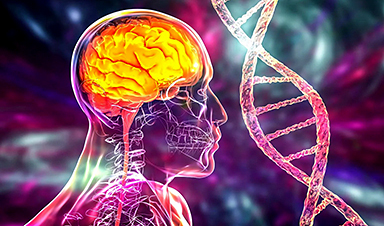
An Ancient Virus May Hold the Secret to What Makes the Human Brain Different
Could a virus that infected chimpanzees millions of years ago help explain how the human brain became different? Researchers at Lund University have discovered that ancient viral DNA embedded in the chimpanzee genome silences [...]
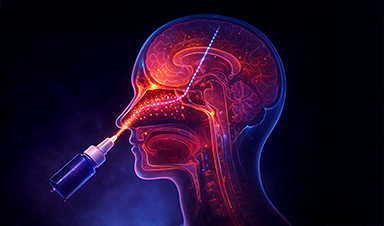
Could a Nasal Spray Stop Alzheimer’s Before Memory Loss Begins?
Protecting memory from Alzheimer’s may one day involve a nasal spray, with encouraging results in animals and evidence that its particles also protect human neurons grown in the lab. Alzheimer’s disease damages the connections [...]

A sceptical guide to AI agents in drug discovery
In conversation with Dr Eric Ma, Senior Principal Data Scientist at Moderna, Dr Raminderpal Singh examines what AI agents are actually good for, where the lock-in hides and why expertise has become more valuable [...]
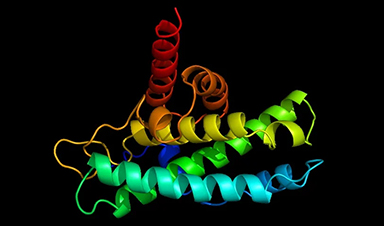
Study identifies new targets for antiviral drugs against coronaviruses
A study led by researchers at the University of California San Diego School of Medicine and University of California, Riverside (UCR) School of Medicine has identified new targets for antiviral drugs against coronaviruses, including [...]
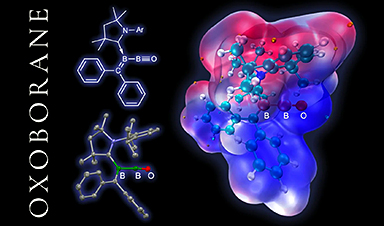
“Nearly Everybody Had Given Up” – Scientists Finally Solve a 60-Year Chemistry Mystery
After more than six decades of failed attempts, chemists have achieved a breakthrough involving a class of molecules long considered too unstable to isolate. Chemists have succeeded in isolating a group of molecules that [...]

Depression Symptoms Improved in Just 48 Hours After a Single Psychedelic Dose
A single dose of psilocybin produced rapid antidepressant effects in a small Swedish clinical trial, with improvements lasting for weeks. A single dose of psilocybin, the psychedelic compound found in magic mushrooms, produced rapid [...]

GHCE Concept
From the preface of the book Global Health Care Equivalency in the Age of Nanotechnology, Nanomedicine and Artificial Intelligence, Edited by Frank Boehm: Since the publication of my first book (Nanomedical Device and Systems [...]

Human Bodies Are Producing Two Billion Tons of CO2 a Year
A new study reveals that the amount of carbon dioxide produced by human metabolism has increased dramatically over three decades. The carbon dioxide produced by human bodies as they convert food into energy increased [...]
A Hidden DNA Mechanism Could Explain How 20% of Human Cancers Develop
Researchers have identified an unexpected molecular vulnerability in cancers carrying BAF mutations. Mutations found in roughly 20% of human cancers may promote tumor growth by changing how DNA is organized inside cells. Researchers have [...]