Researchers at the Icahn School of Medicine at Mount Sinai and collaborators have reported early success with a novel mRNA-based therapy designed to combat antibiotic-resistant bacteria.
The findings, published in Nature Biotechnology, show that in preclinical studies in mice and human lung tissue in the lab, the therapy slowed bacterial growth, strengthened immune cell activity, and reduced lung tissue damage in models of multidrug-resistant pneumonia.
The growing threat of resistance
Antibiotic-resistant infections are a growing global threat, killing more than 1.2 million people each year and contributing to nearly 5 million deaths worldwide. In the United States alone, more than 3 million infections occur annually, causing up to 48,000 deaths and costing billions of dollars in health care. Experts warn that resistance is increasing across nearly all major bacterial species, putting routine surgeries, cancer treatments, and newborn care at risk.
“Our work suggests there may be a new path to tackling antibiotic-resistant infections by supporting the immune system more directly,” says Xucheng Hou, Ph.D., a lead author of the study and Assistant Professor of Immunology and Immunotherapy in the lab of Yizhou Dong, Ph.D., at the Icahn School of Medicine at Mount Sinai.
“Although we’re still in the early stages and have only tested this approach in preclinical models, the results lay important groundwork for future therapies that could enhance how traditional antibiotics perform.”
How the experimental therapy works
The experimental therapy works by giving the patient mRNA that instructs their body to make a special infection-fighting protein called a “peptibody.” This peptibody is designed to do two things at the infection site: directly break down harmful bacteria and recruit immune cells to help clear them out.
To get the mRNA safely into the patient’s body, the researchers packaged it inside lipid nanoparticles—tiny fat-based bubbles commonly used in mRNA vaccines. These nanoparticles protect the mRNA as it travels through the body and help it enter cells.
They also carry an extra ingredient that helps limit harmful inflammation by neutralizing excess reactive oxygen species, highly reactive molecules that the body produces during infection and that can damage tissues, often contributing to the severe symptoms of hard-to-treat infections.
Results from preclinical studies
In mouse models of multidrug-resistant Staphylococcus aureus and Pseudomonas aeruginosa, repeated doses of the therapy were well tolerated, reduced bacterial numbers in the lungs, decreased inflammation, and preserved normal lung structure, the investigators report. In addition, the laboratory tests with human lung tissue showed similar results, demonstrating that the therapy could work alongside human immune cells.
Next, the researchers plan to continue preclinical studies and eventually advance toward human clinical trials to evaluate safety, dosing, and efficacy. While the therapy is still in early stages, it represents an encouraging direction in the global fight against antibiotic-resistant infections.
Potential for future treatments
“This is the first evidence that an mRNA-encoded antimicrobial peptide can directly kill bacteria while also turning on the immune system’s protective responses,” says Dr. Dong, the senior author and a co-corresponding author of the study, Mount Sinai Professor in Nanomedicine, and a member of the Icahn Genomics Institute and the Marc and Jennifer Lipzhultz Precision Immunology Institute (PrIISM) at the Icahn School of Medicine at Mount Sinai.
“If future studies bear this out, it could open the door to a highly adaptable platform for developing new treatments against infections that no longer respond to today’s antibiotics.”
The study’s authors, as listed in the journal, are Yonger Xue, Xucheng Hou, Siyu Wang, Yuebao Zhang, Yichen Zhong, Diana D. Kang, Chang Wang, Haoyuan Li, Changyue Yu, Zhengwei Liu, Meng Tian, Dinglingge Cao, Ya Ying Zheng, Binbin Deng, Pauline Hamon, Miriam Merad, and Yizhou Dong.
More information: Antimicrobial peptide delivery to lung as peptibody mRNA in anti-inflammatory lipids treats multidrug-resistant bacterial pneumonia, Nature Biotechnology (2025). DOI: 10.1038/s41587-025-02928-x.
Journal information: Nature Biotechnology
Provided by The Mount Sinai Hospital

News

Your Voice May Reveal How Fast Your Brain Is Aging
Researchers have developed a machine-learning “speech clock” that estimates age from subtle patterns in how people speak and what they say. It is possible that people’s voices may contain certain signals of aging that [...]
Optogenetics Pioneers Win 2026 Nobel Prize in Physiology or Medicine
The 2026 Nobel Prize in Physiology or Medicine has been awarded to Peter Hegemann, Georg Nagel, and Karl Deisseroth for the development of optogenetics, a revolutionary technology that uses light to control individual neurons [...]

Molecular Manufacturing: The Future of Nanomedicine – From NanoappsMedical Inc.
This book explores the revolutionary potential of atomically precise manufacturing technologies to transform global healthcare, as well as practically every other sector across society. This forward-thinking volume examines how envisaged Factory@Home systems might enable the cost-effective [...]

What is ‘American Covid’ and how bad is it?
Cases of so-called ‘American Covid’ are on the rise in the UK. The strain is officially called XFG, or ‘Stratus’, and is the most common variant in North America, hence the name. It might soon [...]

Researcher at Russian plague laboratory dies of ‘unknown’ infection
Russian authorities have imposed "anti-epidemic measures" after a laboratory worker at an institute in Siberia dedicated to studying the plague and other infectious diseases died of a mysterious illness. The researcher, a 28-year-old female [...]

GHCE Concept
From the preface of the book Global Health Care Equivalency in the Age of Nanotechnology, Nanomedicine and Artificial Intelligence, Edited by Frank Boehm: Since the publication of my first book (Nanomedical Device and Systems [...]

A Surprising Brain Signal Could Explain Why Eating Less Protein Extends Lifespan
A new paper suggests that limiting protein intake triggers a coordinated response throughout the body that may help explain how protein restriction affects healthy aging. Animals respond to protein restriction, or reduced protein in [...]

Back and shoulder surgery is often worse than useless
Millions of operations should be scrapped SIX IN TEN Britons have surgery at some point. So do lots of Americans, at a cost of perhaps $500bn a year, a third of all spending on [...]

Cocaine plays with mind, hijacks brain circuit, drives increasingly rigid and repetitive behavior
Researchers have found that cocaine hijacks brain circuit, which to drive increasingly rigid and repetitive behavior. The brain circuit that normally participates in selecting natural mouth and face movements, but which becomes disproportionately engaged [...]

Injectable nanodevices could provide effective treatment for drug-resistant glioblastoma
The brain cancer glioblastoma is one of the most aggressive and treatment-resistant cancers known to medicine, carrying a median survival of just 12-15 months, even with the best available care. Now, researchers at the [...]
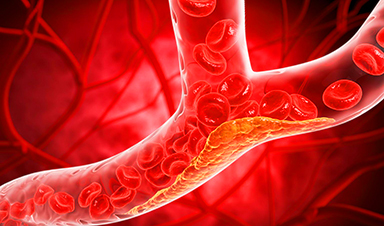
New Treatment Cuts “Bad” Cholesterol in Half for a Full Year
A single infusion of an experimental CRISPR-Cas9 therapy was reported to safely lower LDL cholesterol by 52.5% and triglycerides by 47.8%, as measured 12 months after treatment. What if one infusion could keep cholesterol [...]

Too Much RNA Can Drain a Cell’s Energy, Scientists Discover
A virus may cripple a cell’s power supply simply by producing too much of a molecule the cell needs to survive. New research from the Texas A&M College of Veterinary Medicine and Biomedical Sciences [...]

West African scientists warn of weakening health systems and urge stronger outbreak detection
LOME, Togo (AP) — West African laboratory scientists called on governments Friday to strengthen capacity to detect disease outbreaks to avoid another major outbreak, saying health systems across the region are becoming weaker. Participants [...]

A Little-Known Protein Could Point to a New Way To Treat Alzheimer’s
A study suggests that increasing SORLA protein levels could help treat Alzheimer’s disease and other disorders involving tau protein. Increasing SORLA, a protein with a protective role in the brain, helped mice withstand damage [...]
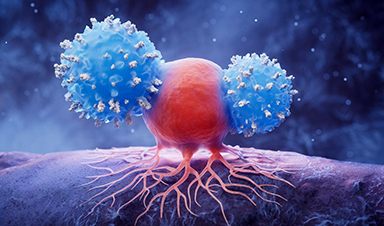
Cancer’s Hidden Antioxidant Shield Helps It Escape the Immune System
Blocking an antioxidant protein that tumors use to suppress immune attacks improved cancer immunotherapy responses in mice. Cancer cells can release antioxidants that interfere with the immune cells trying to kill them. Researchers have [...]

Scientists Find a Berry Compound That Helps Muscle Cells Burn Fat
Pterostilbene, a compound found naturally in some foods, affects how skeletal muscles process fats by stabilizing a protein called PPARδ and increasing its signaling activity. Pterostilbene, a natural compound found in blueberries, grapes, and [...]