A breakthrough zwitterionic polymer slips through the skin’s toughest barriers, carrying insulin deep into tissue and normalizing blood sugar, offering patients a painless alternative to daily injections.
A recent study published in the journal Nature examines the use of the skin-permeable molecule poly[2-(N-oxide-N,N-dimethylamino)ethyl methacrylate] (OP) as a delivery system for insulin, a key drug in the treatment of type 1 and many cases of type 2 diabetes mellitus.
Small-molecule drugs are often designed to be absorbed through the skin. However, this has not been found feasible for large biomolecules, such as proteins and peptides like insulin.
Barriers to insulin delivery
Insulin is typically administered by intradermal injection. This method is painful, can induce fear of needles, and skin complications, all of which are linked to poor patient compliance. No successful noninvasive technique of insulin delivery has yet been reported.
Transdermal drug delivery offers several advantages, including improved patient compliance, convenience, increased active drug concentration by avoiding denaturation, and reduced first-pass metabolism of the drug. Among the greatest challenges in this approach is getting past the stratum corneum (SC) of the skin.
The SC is composed of dead and dried-out corneocytes surrounded by a well-ordered fatty matrix. Along with the epithelial tight junctions in the epidermis and dermis, this presents a barrier to drug penetration. Potential approaches include chemical penetration enhancers, electrically-driven devices that force the drug to penetrate the skin, and injection by ultrasound or jet rather than hypodermic needles, as well as microneedles. Being invasive, these are, however, associated with a higher risk of infection.
Cationic peptides can sometimes pass through the skin, bound to organic acids in the sebum and stratum corneum. However, this binding immobilizes them in the SC, preventing their deeper diffusion. Their only route lies through the hair follicles and sweat glands, comprising <0.1 % of skin area, meaning penetration is inefficient.
This prompted the current exploration of the novel polymer OP. The extreme skin permeability of OP-I does not involve any change in skin lipid ordering or structure. Instead, molecular dynamics simulations revealed that OP-I was adsorbed by stratum corneum fats faster than native insulin, diffusing rapidly through the lipids to reach the dermis and subcutaneous tissue.
This was characterized by a transition from its protonated cationic state (at a pH of 5 or lower) to a zwitterion during its skin passage (at neutral pH). This pH-dependent charge shift aligns with the skin’s acidic-to-neutral gradient and is central to OP’s transport behavior.
OP can thus pass quickly and smoothly through the skin into the blood and lymph vessels. OP and OP–insulin primarily enter systemic circulation through leaky lymphatic capillaries before reaching the bloodstream.
Study findings
OP diffusion
The researchers applied fluorescent-labeled OP to the skin surface of mice and minipigs (the skin of the latter being very similar to human skin) and tracked its passage through the skin using high-resolution imaging.
In mice, OP diffused throughout all skin layers within four hours of topical application, whereas the control polyethylene glycol (PEG) remained on the skin surface. In the epidermis and dermis, OP-I moved by membrane-mediated diffusion without entering the cell. This involved rapid “hopping” along adjacent cell membranes rather than intracellular transport.
Further confirmation was obtained by visualizing the OP-bound gold nanoparticles within the lipid lamellae of the intercorneocyte fatty layer. OP penetrates the skin with exceptional efficiency, entering the bloodstream within 30 minutes. Its concentration peaked approximately two hours later.
Insulin-conjugated OP
Recombinant human insulin was then conjugated to OP (OP-I), with pegylated insulin serving as a control, having a similar molecular mass of 5 kDa. OP-I had the same secondary structure as insulin. It also showed unchanged receptor binding and association-dissociation constants, indicating that it retained the receptor specificity and affinity of native insulin intact.
OP-I skin permeability was measured by the drop in blood glucose following topical application. When compared with unbound insulin, the conjugated insulin produced the same decrease in blood glucose.
Thus, the study suggests that OP-I behaves similarly to insulin, binding to the insulin receptor with unchanged specificity and activating downstream pathways that result in glucose-lowering effects. OP-I had a longer half-life than insulin, probably because of its zwitterionic nature that resists plasma protein binding and removal from the blood. This extension was modest (15 to 20 minutes vs. 5 to 10 minutes for native insulin).
Modeling of the skin permeation of OP-I over time using confocal laser-scanning microscopy (CLSM) showed its uniform spread throughout the epidermis in half an hour. In contrast, native insulin and PEG-I remained on the skin surface. Thus, OP-I had the highest permeability coefficient among the three, approximately 4.5 and 9-fold that of the PEG-I and insulin, respectively.
OP effects on insulin and blood glucose
OP-I achieved comparable plasma levels to subcutaneous insulin within two hours. After this point, its levels were 60 % to 600 % higher than with insulin. The other two molecules did not affect blood insulin levels.
In mice with type 1 diabetes, OP-I normalized blood glucose levels. Once in the blood, OP-I was taken up mainly by the liver, lungs and kidneys, inducing insulin activity. Its activity was prolonged compared to subcutaneous native insulin, which was rapidly cleared from the bloodstream without significant accumulation in these tissues. OP-I regulated blood glucose levels better in diabetic mice than other treatments.
Similar findings were observed in minipigs, with OP-I entering the dermis and subcutaneous tissue at four hours following topical application. It induced normal blood glucose levels within two hours and maintained them for 12 hours.
Notably, topical OP-I application did not irritate the skin or induce inflammation. Repeated application in both mice and minipigs caused no structural changes to the stratum corneum or signs of immune activation.
Toward needle-free insulin
The skin-permeable polymer may enable non-invasive transdermal delivery of insulin, relieving patients with diabetes from subcutaneous injections and potentially facilitating patient-friendly use of other protein- and peptide-based therapeutics through transdermal delivery.
- Wei, Q., He, Z., Zhou, Z., et al. (2025). A skin-permeable polymer for non-invasive transdermal insulin delivery. Nature. doi: https://doi.org/10.1038/s41586-025-09729-x. https://www.nature.com/articles/s41586-025-09729-x

News

Your Voice May Reveal How Fast Your Brain Is Aging
Researchers have developed a machine-learning “speech clock” that estimates age from subtle patterns in how people speak and what they say. It is possible that people’s voices may contain certain signals of aging that [...]

Optogenetics Pioneers Win 2026 Nobel Prize in Physiology or Medicine
The 2026 Nobel Prize in Physiology or Medicine has been awarded to Peter Hegemann, Georg Nagel, and Karl Deisseroth for the development of optogenetics, a revolutionary technology that uses light to control individual neurons [...]

Molecular Manufacturing: The Future of Nanomedicine – From NanoappsMedical Inc.
This book explores the revolutionary potential of atomically precise manufacturing technologies to transform global healthcare, as well as practically every other sector across society. This forward-thinking volume examines how envisaged Factory@Home systems might enable the cost-effective [...]

What is ‘American Covid’ and how bad is it?
Cases of so-called ‘American Covid’ are on the rise in the UK. The strain is officially called XFG, or ‘Stratus’, and is the most common variant in North America, hence the name. It might soon [...]
Researcher at Russian plague laboratory dies of ‘unknown’ infection
Russian authorities have imposed "anti-epidemic measures" after a laboratory worker at an institute in Siberia dedicated to studying the plague and other infectious diseases died of a mysterious illness. The researcher, a 28-year-old female [...]

GHCE Concept
From the preface of the book Global Health Care Equivalency in the Age of Nanotechnology, Nanomedicine and Artificial Intelligence, Edited by Frank Boehm: Since the publication of my first book (Nanomedical Device and Systems [...]

A Surprising Brain Signal Could Explain Why Eating Less Protein Extends Lifespan
A new paper suggests that limiting protein intake triggers a coordinated response throughout the body that may help explain how protein restriction affects healthy aging. Animals respond to protein restriction, or reduced protein in [...]

Back and shoulder surgery is often worse than useless
Millions of operations should be scrapped SIX IN TEN Britons have surgery at some point. So do lots of Americans, at a cost of perhaps $500bn a year, a third of all spending on [...]
Cocaine plays with mind, hijacks brain circuit, drives increasingly rigid and repetitive behavior
Researchers have found that cocaine hijacks brain circuit, which to drive increasingly rigid and repetitive behavior. The brain circuit that normally participates in selecting natural mouth and face movements, but which becomes disproportionately engaged [...]
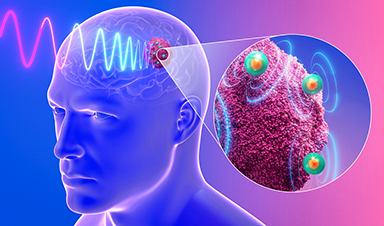
Injectable nanodevices could provide effective treatment for drug-resistant glioblastoma
The brain cancer glioblastoma is one of the most aggressive and treatment-resistant cancers known to medicine, carrying a median survival of just 12-15 months, even with the best available care. Now, researchers at the [...]
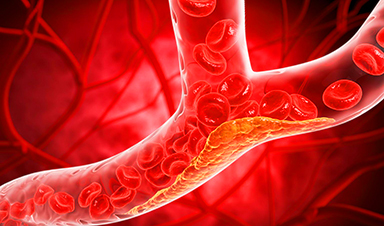
New Treatment Cuts “Bad” Cholesterol in Half for a Full Year
A single infusion of an experimental CRISPR-Cas9 therapy was reported to safely lower LDL cholesterol by 52.5% and triglycerides by 47.8%, as measured 12 months after treatment. What if one infusion could keep cholesterol [...]
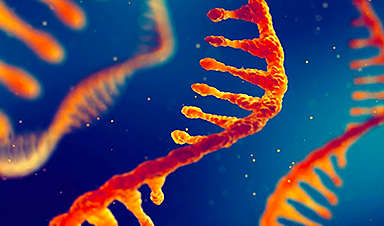
Too Much RNA Can Drain a Cell’s Energy, Scientists Discover
A virus may cripple a cell’s power supply simply by producing too much of a molecule the cell needs to survive. New research from the Texas A&M College of Veterinary Medicine and Biomedical Sciences [...]

West African scientists warn of weakening health systems and urge stronger outbreak detection
LOME, Togo (AP) — West African laboratory scientists called on governments Friday to strengthen capacity to detect disease outbreaks to avoid another major outbreak, saying health systems across the region are becoming weaker. Participants [...]

A Little-Known Protein Could Point to a New Way To Treat Alzheimer’s
A study suggests that increasing SORLA protein levels could help treat Alzheimer’s disease and other disorders involving tau protein. Increasing SORLA, a protein with a protective role in the brain, helped mice withstand damage [...]
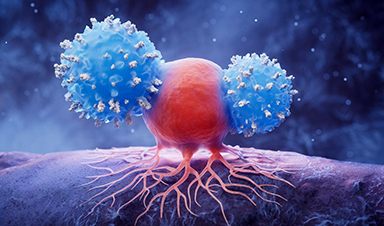
Cancer’s Hidden Antioxidant Shield Helps It Escape the Immune System
Blocking an antioxidant protein that tumors use to suppress immune attacks improved cancer immunotherapy responses in mice. Cancer cells can release antioxidants that interfere with the immune cells trying to kill them. Researchers have [...]

Scientists Find a Berry Compound That Helps Muscle Cells Burn Fat
Pterostilbene, a compound found naturally in some foods, affects how skeletal muscles process fats by stabilizing a protein called PPARδ and increasing its signaling activity. Pterostilbene, a natural compound found in blueberries, grapes, and [...]