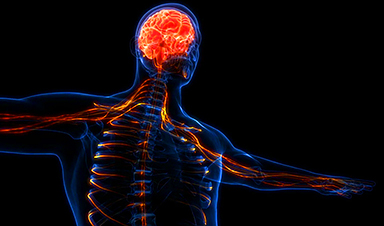
A single nerve injury can quietly reshape the immune system across the entire body.
Preclinical research from McGill University suggests that nerve injuries may lead to long-lasting changes in the immune system, and these effects appear to differ between males and females.
Nerve damage is relatively common and can result from stretching, pressure, or cuts. These injuries often cause lasting problems, including chronic pain. While the immune system usually plays a role in healing damaged tissue, new findings indicate that nerve injuries can interfere with immune activity throughout the entire body.
Blood samples taken from mice showed signs of widespread inflammation following nerve injury. Researchers were surprised to find that male and female mice responded in very different ways.
Male and Female Immune Responses Diverge
In male mice, inflammation-related markers in the blood increased and remained elevated over time. In female mice, however, those same markers did not rise. Despite this difference, blood taken from injured male or female mice caused increased pain sensitivity when transferred into healthy mice. This points to a circulating factor in the blood that spreads pain signals throughout the body, even though it appears to differ between the sexes.
“That means whatever is causing pain in females is working through a completely different biological pathway that we don’t yet understand,” said co-author Jeffrey Mogil, E.P. Taylor Professor of Pain Studies at McGill and a Distinguished James McGill Professor.
“By understanding how men and women react differently to nerve injuries, we can work toward more personalized and effective treatments for chronic pain,” added Sam Zhou, the study’s lead author and a PhD student at McGill.
Broader Health Implications
The findings suggest that nerve injuries may affect far more than the immediate area of damage. Ongoing changes in immune function could raise the risk of chronic conditions, including persistent pain as well as related issues such as anxiety and depression.
“Recognizing the full impact of nerve injuries is important for both doctors and patients,” said Dr. Ji Zhang, the senior author and a professor at McGill’s Department of Neurology and Neurosurgery and Faculty of Dental Medicine and Oral Health Sciences. “A localized nerve injury can affect whole body. Men and women may respond differently.”
Reference: “The impact of nerve injury on the immune system across the lifespan is sexually dimorphic” by Wen Bo S. Zhou, Xiang Q. Shi, Alain P. Zhang, Magali Millecamps, Jeffrey S. Mogil and Ji Zhang, 20 August 2025, Neurobiology of Pain.
DOI: 10.1016/j.ynpai.2025.100195
The study was funded by the Canadian Institutes of Health Research and the Louise and Alan Edwards Foundation.

News
Digital Dementia – Brain fog and disassociation from being chronically online
New medical evidence, featured on 60 Minutes Australia, indicates excessive screen time is causing "digital dementia" in young Australians, with brain scans showing physical shrinkage and damage. Experts warn that high device usage (6-8 hours [...]
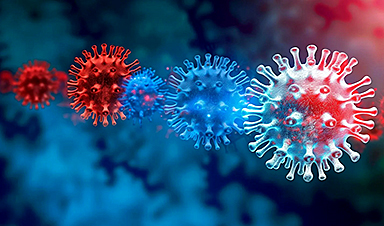
A new, highly mutated COVID variant called ‘Cicada’ is spreading in the US.
BA.3.2, a heavily mutated new COVID-19 variant which may be better able to escape immunity from vaccines or prior infection, is now spreading in the United States. Although COVID cases are currently low nationally, [...]
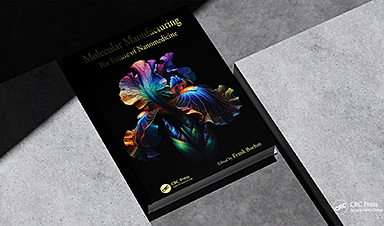
Molecular Manufacturing: The Future of Nanomedicine – New book from NanoappsMedical Inc.
This book explores the revolutionary potential of atomically precise manufacturing technologies to transform global healthcare, as well as practically every other sector across society. This forward-thinking volume examines how envisaged Factory@Home systems might enable the cost-effective [...]

Ancient bacteria strain discovered in ice cave is resistant to some modern antibiotics
In the depths of Scarisoara cave in Romania sits one of the world’s biggest underground glaciers, a monumental slab of ice the size of roughly 40 Olympic swimming pools that began to form around [...]

Scientists Identify “Good” Bacteria That May Prevent Long COVID
According to the WHO, about 6% of people worldwide who get COVID-19, roughly 400 million people, later develop a long-lasting form of the illness. That shows the condition remains a significant public health challenge. In [...]
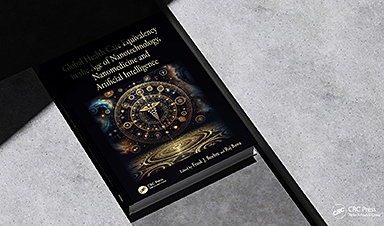
New book from Nanoappsmedical Inc. – Global Health Care Equivalency
A new book by Frank Boehm, NanoappsMedical Inc. Founder. This groundbreaking volume explores the vision of a Global Health Care Equivalency (GHCE) system powered by artificial intelligence and quantum computing technologies, operating on secure [...]
RNA Recycling Extends Lifespan
Summary: Researchers discovered a biological “trash disposal” mechanism that directly controls how fast we age. While circular RNA has long been known to accumulate in cells as we get older, this study proves for the [...]
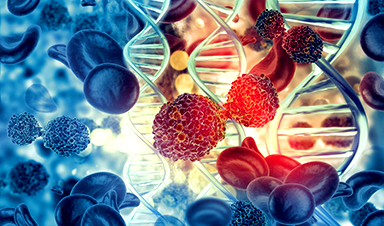
Cancer’s Deadly Paradox: How Tumors Break Their Own DNA To Keep Growing
Cancer’s strongest gene switches push DNA into damaging overdrive, creating repeated breaks and repairs that may fuel tumor evolution while exposing possible therapeutic weak spots. A new study indicates that cancer can harm its own genetic [...]
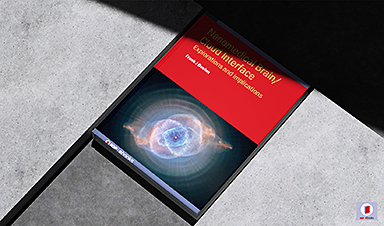
NanoMedical Brain/Cloud Interface – Explorations and Implications. A new book from Frank Boehm
New book from Frank Boehm, NanoappsMedical Inc Founder: This book explores the future hypothetical possibility that the cerebral cortex of the human brain might be seamlessly, safely, and securely connected with the Cloud via [...]

Our books now available worldwide!
Online Sellers other than Amazon, Routledge, and IOPP Indigo Global Health Care Equivalency in the Age of Nanotechnology, Nanomedicine and Artifcial Intelligence Global Health Care Equivalency In The Age Of Nanotechnology, Nanomedicine And Artificial [...]

Ryugu asteroid samples contain all DNA and RNA building blocks, bolstering origin-of-life theories
All the essential ingredients to make the DNA and RNA underpinning life on Earth have been discovered in samples collected from the asteroid Ryugu, scientists said Monday. The discovery comes after these building blocks [...]

Is Berberine Really a “Natural Ozempic”?
Often labeled a “natural Ozempic,” berberine is widely discussed as a metabolic aid. Yet research suggests its influence may lie deeper. In recent years, berberine has gained significant attention as a supposed “natural way” [...]
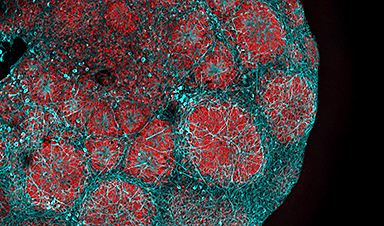
Viagra Ingredient Shows Promise for Rare Childhood Brain Disease in Surprising Study
A rare childhood disease with no approved treatment may have an unexpected new therapeutic candidate. Sildenafil, the active ingredient also sold under the brand name Viagra, may help reduce symptoms in people with Leigh [...]

In a first for China, Neuracle’s implantable brain-computer interface wins approval
In a landmark development, Neuracle Medical Technology has secured the country’s first-ever approval for an implantable brain-computer interface (BCI) system designed to restore hand motor function in patients with spinal cord injuries, in a [...]
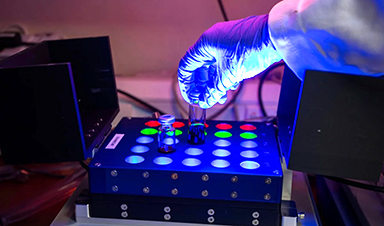
A Cambridge Lab Mistake Reveals a Powerful New Way to Modify Drug Molecules
A surprising lab discovery reveals a light-powered way to tweak complex drugs faster, cleaner, and later in development. Researchers at the University of Cambridge have created a new technique for altering complex drug molecules [...]
New book from NanoappsMedical Inc – Molecular Manufacturing: The Future of Nanomedicine
This book explores the revolutionary potential of atomically precise manufacturing technologies to transform global healthcare, as well as practically every other sector across society. This forward-thinking volume examines how envisaged Factory@Home systems might enable the cost-effective [...]