Cells are not isolated units; they continuously exchange proteins, genetic material, and even entire organelles with their neighbors. Intercellular transfer influences how tissues develop, respond to stress, and repair damage. In certain cancers, for example, tumor cells can acquire mitochondria from nearby cells to sustain growth; similar exchanges are also linked to aging processes. However, despite massive advances in gene-editing and molecular-targeting technologies, we still lack the tools to directly and reliably manipulate the cytoplasmic composition of living cells.
Many attempts have been made towards this end over the past decades, but challenges arise at multiple stages. Extracting cytoplasmic material often relies on cell lysis using detergents or enzymes, which destroy the cells. Ultrasound and other sophisticated physical disruption methods need to be carefully tuned to avoid damaging biomolecules, rendering them too time-consuming.
Delivering material into cells presents further challenges. Lipid-based carriers are limited to small molecules, viral vectors are costly, and microinjection techniques are difficult to scale. To date, no approach allows for controlled and efficient cytoplasmic transfer without compromising cell viability.
A nanotube-based injector concept
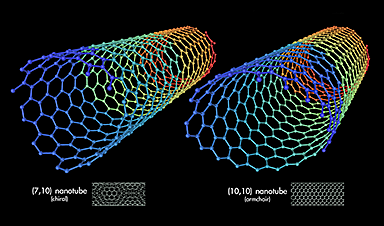
Against this backdrop, a research team led by Professor Takeo Miyake of Waseda University set out to develop a system that overcomes existing limitations. Their latest study, published in Small Science on March 17, 2026, reports a nanotube membrane-based injector—a platform that combines nanomaterials and fluid physics to directly transfer cytoplasmic contents between cell populations.
The system consists of a thin gold membrane with vertically aligned nanotubes mounted on a glass tube. When this membrane is carefully pressed against cultured cells, the nanotubes penetrate the phospholipid bilayer of the living cells without causing significant damage. By adjusting the internal air pressure of the glass tube, the researchers can “suck up” cytoplasmic material from the source cells, hold it as the tube is repositioned over the target cell culture, and gently flush it into this new population using microliters of a buffer solution.
Through several experiments using fluorescent dyes and protein assays, the researchers confirmed that cytoplasmic contents could be extracted in a pressure-dependent manner. They also found that careful selection of nanotube diameter, nanotube density, and applied pressure was key to minimizing cellular damage. Notably, under optimized conditions, cell viability hovered around 95%, with a cytoplasmic transfer efficiency of well over 90%.
Moving whole mitochondria between cells
To further test the capabilities of their platform, the team investigated whether it could transfer intact mitochondria. To this end, they labeled mitochondria in donor cells with a fluorescent tag and observed them in the recipient cells via confocal microscopy. They found that dozens of mitochondria could be reliably delivered per cell. Most importantly, these mitochondria remained functional, as evidenced by markedly higher levels of adenosine triphosphate (ATP) produced in recipient cells compared to controls.
“This technology establishes a new paradigm for cell manipulation—transforming cells not by genetic modification but by reconstructing intracellular composition itself,” says Prof. Miyake.
Potential uses in therapy and research
Such controlled cytoplasmic engineering, enabled by the proposed nanotube injector, could support the development of next-generation cell therapies, improved disease models, and more precise drug screening platforms. “Directly transferring healthy mitochondria or cytoplasmic components into target cells is particularly relevant for regenerative medicine, where therapeutic cells often suffer from reduced metabolic activity or functional heterogeneity after isolation and expansion,” highlights Prof. Miyake, “By restoring or augmenting mitochondrial function without genetic modification, the technology offers a new strategy to improve cell quality prior to transplantation.”
Overall, this innovative system paves the way for a new level of control in cell biology research, as well as bioengineering and biomedical applications.
More information
Bingfu Liu et al, A Nanotube Injector for Cytoplasmic Transfer and Enhanced Mitochondrial Function, Small Science (2026). DOI: 10.1002/smsc.202500598

News – Curated by Amanda Scott, Alias Group Creative
Follow her on Bluesky

A Surprising Brain Signal Could Explain Why Eating Less Protein Extends Lifespan
A new paper suggests that limiting protein intake triggers a coordinated response throughout the body that may help explain how protein restriction affects healthy aging. Animals respond to protein restriction, or reduced protein in [...]

Back and shoulder surgery is often worse than useless
Millions of operations should be scrapped SIX IN TEN Britons have surgery at some point. So do lots of Americans, at a cost of perhaps $500bn a year, a third of all spending on [...]
Cocaine plays with mind, hijacks brain circuit, drives increasingly rigid and repetitive behavior
Researchers have found that cocaine hijacks brain circuit, which to drive increasingly rigid and repetitive behavior. The brain circuit that normally participates in selecting natural mouth and face movements, but which becomes disproportionately engaged [...]
Injectable nanodevices could provide effective treatment for drug-resistant glioblastoma
The brain cancer glioblastoma is one of the most aggressive and treatment-resistant cancers known to medicine, carrying a median survival of just 12-15 months, even with the best available care. Now, researchers at the [...]
New Treatment Cuts “Bad” Cholesterol in Half for a Full Year
A single infusion of an experimental CRISPR-Cas9 therapy was reported to safely lower LDL cholesterol by 52.5% and triglycerides by 47.8%, as measured 12 months after treatment. What if one infusion could keep cholesterol [...]
Too Much RNA Can Drain a Cell’s Energy, Scientists Discover
A virus may cripple a cell’s power supply simply by producing too much of a molecule the cell needs to survive. New research from the Texas A&M College of Veterinary Medicine and Biomedical Sciences [...]

West African scientists warn of weakening health systems and urge stronger outbreak detection
LOME, Togo (AP) — West African laboratory scientists called on governments Friday to strengthen capacity to detect disease outbreaks to avoid another major outbreak, saying health systems across the region are becoming weaker. Participants [...]

A Little-Known Protein Could Point to a New Way To Treat Alzheimer’s
A study suggests that increasing SORLA protein levels could help treat Alzheimer’s disease and other disorders involving tau protein. Increasing SORLA, a protein with a protective role in the brain, helped mice withstand damage [...]
Cancer’s Hidden Antioxidant Shield Helps It Escape the Immune System
Blocking an antioxidant protein that tumors use to suppress immune attacks improved cancer immunotherapy responses in mice. Cancer cells can release antioxidants that interfere with the immune cells trying to kill them. Researchers have [...]

Scientists Find a Berry Compound That Helps Muscle Cells Burn Fat
Pterostilbene, a compound found naturally in some foods, affects how skeletal muscles process fats by stabilizing a protein called PPARδ and increasing its signaling activity. Pterostilbene, a natural compound found in blueberries, grapes, and [...]
Two Hidden Forces Help Build the Human Brain Before Birth
Scientists have uncovered two surprising forces that help guide how the human brain forms before birth. Before birth, the human brain is shaped in large part by an unusual class of stem cells known [...]
Researchers Uncover a Hidden Trigger Behind Chronic Inflammation
The findings offer new insights that could help guide the development of future therapies. A protein called human resistin may help flip on one of the immune system’s most powerful inflammatory switches. Researchers at [...]
Scientists Have Uncovered Previously Hidden Microbial Activity on Human Skin
The most abundant microbes on your skin may not be the ones doing most of the work. Human skin supports vast communities of bacteria, fungi, and viruses that can influence its protective barrier, immune [...]
Brazilian Tree Compounds Fight COVID-19 on Multiple Fronts
Scientists found compounds in a Brazilian tree that hit SARS-CoV-2 on multiple fronts, revealing a promising new lead in the search for COVID-19 treatments. Researchers have found that galloylquinic acids extracted from the leaves [...]
Cutting Two Amino Acids Slowed Prostate Cancer in Mice
A newly identified link between amino acid metabolism and cholesterol production may help prostate tumors adapt to hormone therapy. Prostate cancer can find ways around treatments designed to deprive tumors of the hormones they [...]

Largest-Ever Physics Survey Raises New Doubts About Our Model of the Universe
Physicists around the world remain deeply divided on key mysteries of the universe, from dark matter to quantum gravity. The standard cosmological model failed to gain majority support, and no leading theory dominated the [...]