
To accommodate students who wish to read the book at an affordable cost, Nanomedical Device and Systems Design: Challenges, Possibilities, Visions by Frank Boehm (CEO NanoApps Medical Inc.) is available to rent on Kindle.
This book benefits undergraduate and graduate students who are studying nanotechnology/nanomedicine, as well as medical administrative, scientific research, and manufacturing professionals in this industry.
“This book is extraordinarily detailed and comprehensive, and succeeds splendidly as an update to a field previously defined by Freitas’s similarly encyclopedic works. A particularly strong element is the thorough dissection of methods of nanodevice delivery covered in the first section. I am most impressed by the book’s structure. One particularly nice decision was to open up the central section to invited authors, giving the book a level of variety that is otherwise challenging to deliver. The level of detail presented is the main thing I am looking for in such highly speculative engineering design surveys, and it is fantastic here.” Aubrey de Grey (Chairman and Chief Science Officer of the Methuselah Foundation and Editor-in-Chief of Rejuvenation Research
“Realizing that nanotechnology could deliver life-extending drugs, Gussoff imagined what else they could do, and the MaGo bots were born. She did a lot of work finding textbooks that were accessible and had good ideas about the future of nanotechnology. She recommends Nanomedical Device and Systems Design: Challenges, Possibilities, Visions, edited by Frank Boehm, CEO of a nanomedical tech company. It’s well worth the $170 cover price if you’re interested in nanomedical technology.”
– Quantum Run
“Nanomedical Device and Systems Design: Challenges, Possibilities, Visions speculates where nanotechnology for medicine might develop in the next 10-20 years, and postulates a number of possibilities for therapeutic applications including artificial blood and neuroprosthetics and posthuman augmentation. Medical futurists may find this book useful in anticipating where these technologies may lead.” – Theodore Kucklick, author of The Medical Device R&D Handbook

Images Credit: Alias Studio Sydney
Recent News
Antibody recycling, FcRn and the next generation of biologics
FcRn plays a central role in regulating the half-life of IgG antibodies and albumin, making it a critical target in both antibody engineering and autoimmune disease therapy. This article [...]
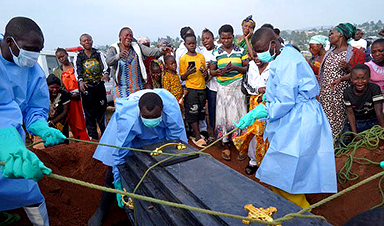
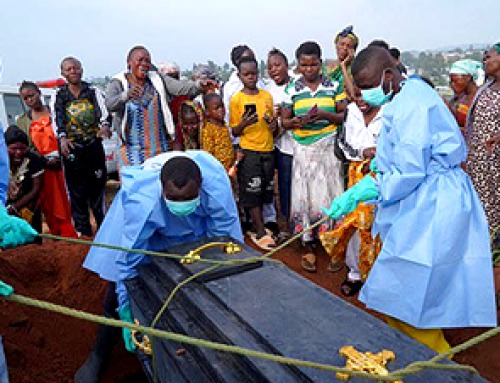
Ebola kills 2,300 in three months with no vaccine available for Congo’s deadliest ever outbreak
It’s Congo’s 17th outbreak, with a toll that has eclipsed that of the country’s 2018-2020 outbreak when 2,299 deaths out of 3,481 cases were recorded. The latest data shows [...]
Beyond an Agency: How AI, Creativity and Commercialization Are Converging Into a New Growth Model
At a moment when AI is forcing a fundamental rethink of how work gets done, the life sciences industry is grappling with a deeper question: what role should human [...]

New $60 Blood Test Detects Lung Cancer Without Costly DNA Sequencing
A simple blood test that detects chemical changes in DNA identified more than 90% of stage 2-4 lung cancers in an early study, without relying on costly DNA sequencing. [...]
Reducing drug development failures with human-relevant models and AI
Professor Joseph C. Wu of Stanford University explains how stem cells, human-relevant models and AI are helping researchers predict which drug candidates are most likely to succeed before clinical [...]
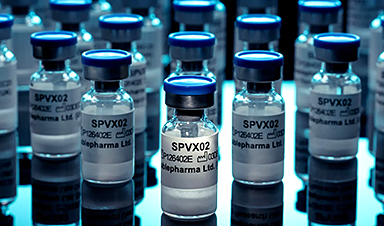
Half of vaccines are binned – ‘fridge-free’ versions could change that
Vaccines that do not need to be kept cool in a fridge have been successfully trialed in patients for the first time, say UK scientists. Currently, most vaccines need [...]

Mushroom Mystery: The Fungus That Makes People See Tiny Humans
A mushroom sold in markets and served in restaurants in Southwest China has an unusual warning attached to it: cook it thoroughly, or you may start seeing tiny people. [...]

Artificial intelligence used to design brand new viruses
Artificial Intelligence has been used to design brand new viruses that are fully functional and can replicate in the laboratory, say US researchers. It is the first time whole [...]
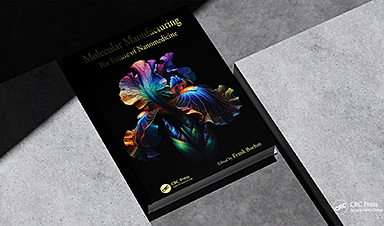
Molecular Manufacturing: The Future of Nanomedicine – New book from NanoappsMedical Inc.
This book explores the revolutionary potential of atomically precise manufacturing technologies to transform global healthcare, as well as practically every other sector across society. This forward-thinking volume examines how [...]

Moderna kicks off Phase I Ebola trial as Africa readies itself for research
If the Phase I trial is successful, Moderna plans to quickly initiate Phase II and Phase III trials of its Ebola vaccine. Moderna has initiated a Phase I trial [...]
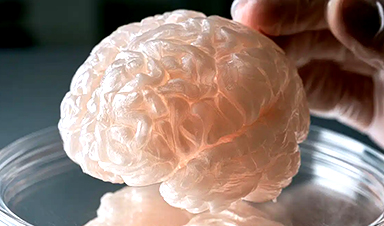
3D Human Brain Tissue Model Replicates Alzheimer’s Pathology
Summary: Researchers introduced a highly reproducible three-dimensional human brain tissue model capable of replicating complex neurodegenerative processes in Alzheimer’s disease. Developed over nine years using human stem cells, the self-organizing [...]
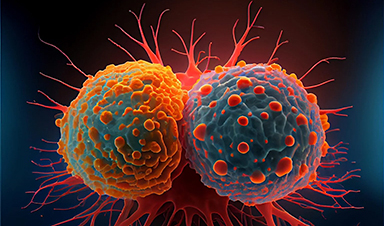
A Common Sugar May Loosen Cancer Cells and Help Them Spread
Chemotherapy may kill most ovarian cancer cells, but the few that survive can turn dangerously active. By releasing fructose, they may help nearby tumor cells break free and spread. [...]
COVID-19 can wake up dormant viruses in the body, large study confirms
Virus reactivations by SARS-CoV-2 could worsen initial symptoms and increase risk of Long Covid. Early in the COVID-19 pandemic, scientists noticed that a SARS-CoV-2 infection can “wake up” other, [...]
Scientists Discover the Brain May Enter a New Biological Phase Between 50 and 75
A single-cell study reveals major changes in immune cells, genome organization, and gene regulation within the aging human hippocampus, offering important insights into brain aging and dementias associated with [...]
Our books now available worldwide!
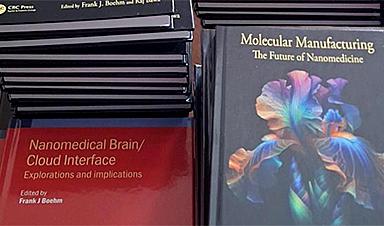
Online Sellers other than Amazon, Routledge, and IOPP Indigo Global Health Care Equivalency in the Age of Nanotechnology, Nanomedicine and Artifcial Intelligence Global Health Care Equivalency In The Age [...]

Unzipping the Code of Life: Scientists Pinpoint Where DNA First Opens
Researchers mapped where DNA first opens and how a helicase gate may release one strand as genome copying begins. Before a cell can divide, it must open its tightly wound DNA [...]




Leave A Comment