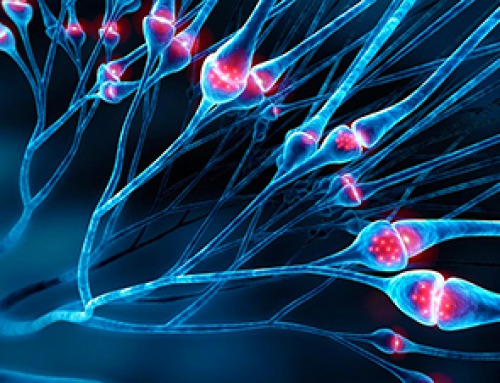
An international study led by researchers at the University of Colorado Anschutz Medical Campus has identified a promising strategy to enhance the safety of nanomedicines, advanced therapies often used in cancer and vaccine treatments, by using drugs already approved by the FDA for unrelated conditions.
Their research suggests that repurposing existing medications can reduce harmful immune responses associated with nanoparticles. These ultra-small particles are designed to deliver treatments with precision but, in some cases, the immune system can react adversely.
“Nanoparticles are powerful tools in medicine, but the body often recognizes them as threats,” said Dmitri Simberg, Ph.D., co-director and professor at the Colorado Center for Nanomedicine and Nanosafety at the Skaggs School of Pharmacy and Pharmaceutical Sciences at CU Anschutz and lead author of the study.
“We found that certain existing drugs used for immune-related conditions can help mitigate these reactions.”
When introduced into the body for therapy or imaging, nanoparticles can trigger inflammation and other immune-related side effects. This occurs when the immune system, particularly the complement system, a group of blood proteins responsible for detecting potential threats, mistakenly targets helpful nanoparticles.
“This system is crucial for fighting infections, but it can become overactive in response to nanomedicine,” Simberg explained.
These overreactions may cause symptoms such as skin rashes, respiratory distress, cardiovascular problems or serious anaphylactic reactions. To address this, the team tested immune-modulating compounds that inhibit complement activation, aiming to reduce immune attacks on nanoparticles without broadly weakening the immune system.
Among the drugs tested in blood samples, iptacopan, currently approved to treat certain rare blood, nerve, and kidney disorders, was notably effective in blocking complement activity and minimizing adverse effects.
“We were impressed by how well iptacopan performed in preclinical animal models and some human samples,” said Simberg. “It not only reduced immune responses but also prevented more severe symptoms.”
The researchers also noted considerable variability in how individuals respond to nanoparticle-based treatments, often depending on specific ingredients used. This highlights the importance of personalized approaches to nanomedicine.
“We still need to understand which patients are at higher risk of allergic or inflammatory reactions, in order to apply immune-modulating drugs during nanomedicine treatment,” Simberg added.
Simberg said the findings open the door to broader and safer applications of nanomedicine for diseases such as cancer, infections and genetic conditions.
“If we can manage the body’s response more effectively, we can improve access to these life-saving therapies for a wider group of patients,” said Simberg.
The collaborative study involved scientists from both the University of Colorado Anschutz Medical Campus, Cardiff University, and Newcastle University in the United Kingdom.
More information: Yue Li et al, Enhanced Immunocompatibility and Hemocompatibility of Nanomedicines Across Multiple Species Using Complement Pathway Inhibitors, Science Advances (2025). DOI: 10.1126/sciadv.adw1731. www.science.org/doi/10.1126/sciadv.adw1731
Journal information: Science Advances
Provided by CU Anschutz Medical Campus

News

GHCE Concept
From the preface of the book Global Health Care Equivalency in the Age of Nanotechnology, Nanomedicine and Artificial Intelligence, Edited by Frank Boehm: Since the publication of my first book (Nanomedical Device and Systems [...]

Novartis, Ionis drug failure spurs questions
Pelacarsen didn’t protect heart health despite lowering levels of a protein particle, “Lp(a),” in a large clinical trial — a result with important implications for cardiovascular drug research. Dive Brief: An RNA drug from [...]
New injectable treatment helps the brain rebuild after stroke
Biomedical engineers at Duke University have created an injectable biomaterial that may help the brain recover from damage left behind by an ischemic stroke. In experiments with mice, the material transformed the cavity created [...]

Scientists Discover a Hidden “Immune Organ” Inside the Skull
Researchers discovered lymph node-like immune hubs inside skull bone marrow that appear to act as rapid-response centers for the brain. For decades, the brain was thought to operate largely apart from the immune system. [...]
Engineered tRNAs and lipid nanoparticles target nonsense mutation cystic fibrosis
Researchers have developed a potential new approach for treating a form of cystic fibrosis caused by so-called nonsense mutations, combining chemically modified transfer RNAs with lipid nanoparticles designed to deliver the therapy directly to [...]
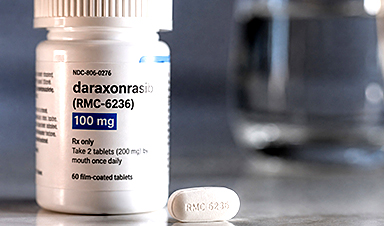
New pancreatic cancer drug carries a $39,800 monthly list price
A groundbreaking treatment for one of the most common forms of pancreatic cancer has been approved in pill form by the FDA. Revolution Medicines’ oral tablet daraxonrasib, branded as Rasonque, reduced the risk of [...]
Researchers Have Discovered a New Way To Reduce Chronic Nerve Pain
A cancer-linked protein called BRAF may help drive chronic nerve pain, and existing cancer drugs targeting it reduced pain sensitivity in preclinical models. Chronic nerve pain can persist long after an injury and often [...]
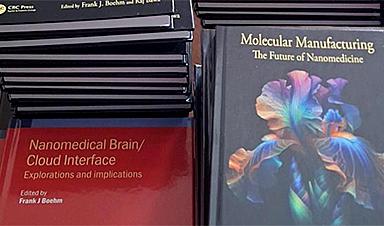
Our books now available worldwide!
Online Sellers other than Amazon, Routledge, and IOPP Indigo Global Health Care Equivalency in the Age of Nanotechnology, Nanomedicine and Artifcial Intelligence Global Health Care Equivalency In The Age Of Nanotechnology, Nanomedicine And Artificial [...]

Quantum-Enabled Regenerative Health: Reimagining Wellness, Precision Health and Longevity Medicine
Introduction Healthcare is approaching a frontier where the quantum portfolio could influence not only how disease is diagnosed and treated, but how health itself is measured, modeled, predicted and preserved. Quantum computing, quantum simulation, [...]

FDA Clears First-of-Its-Kind Nonmedication Treatment for PTSD
The FDA has cleared a system that uses brain activity data to personalize magnetic stimulation for PTSD, adding a new nonmedication treatment option. Every day in the United States, approximately 17.5 veterans die by suicide, [...]
FDA approves breakthrough drug to treat advanced pancreatic cancer
The Food and Drug Administration (FDA) approved on Wednesday a drug that could extend the survival of those with metastatic pancreatic cancer. The drug, called daraxonrasib, will be sold under the brand name Rasonque [...]

AI Decodes a Hidden DNA Signal Linked to Disease-Causing Mutations
Machine learning identifies the likely “initiator” and enables new predictions about DNA mutations that can cause disease. Every human cell depends on tens of thousands of genes being switched on at the right time [...]

Pope Leo Urges Global Response to Congo’s Deadliest Ebola Outbreak
Pope Leo called for international action to address the Ebola outbreak in the Democratic Republic of Congo. The epidemic has claimed over 2,500 lives and is the nation's largest recorded outbreak. The Pope emphasized [...]

Is there a summer COVID-19 surge this year? Yep, it’s ramping up again
Hantavirus. Ebola. West Nile. Measles. And, of course, cyclospora — that stomach parasite making people miserable across the country. Americans have plenty to worry about this summer. But remember COVID-19? It may not be [...]

Natural Compound in Broccoli Could Help Treat a Rare, Incurable Neurological Disease
Swinburne researchers have discovered how broccoli could help treat an extremely rare and incurable disease that affects only about 200 Australians. A naturally occurring compound in broccoli is being investigated as a possible treatment [...]
Antibody recycling, FcRn and the next generation of biologics
FcRn plays a central role in regulating the half-life of IgG antibodies and albumin, making it a critical target in both antibody engineering and autoimmune disease therapy. This article explores the biology of FcRn, [...]