A new drug targets RAS-PI3Kα pathways without harmful side effects. It was developed using high-performance computing and AI.
A new cancer drug candidate, developed through a collaboration between Lawrence Livermore National Laboratory (LLNL), BridgeBio Oncology Therapeutics (BBOT), and the Frederick National Laboratory for Cancer Research (FNLCR), has shown the ability to inhibit tumor growth without causing a major side effect often seen in similar therapies.
This compound, named BBO-10203, has demonstrated early success in clinical trials by interrupting a crucial interaction between two cancer-promoting proteins, RAS and PI3Kα. Unlike previous drugs targeting this pathway, BBO-10203 does not induce hyperglycemia (elevated blood sugar levels), a complication that has previously limited treatment options. The research, published in Science, represents a significant advance for patients facing aggressive cancers that have been difficult to treat.
The development of BBO-10203 combines the power of Department of Energy (DOE) high-performance computing with artificial intelligence and biomedical innovation. At the core of the effort is LLNL's Livermore Computer-Aided Drug Design (LCADD) platform, which integrates machine learning, AI, and physics-based simulations. This system, supported by DOE supercomputers such as Ruby and Lassen, allows scientists to model and evaluate drug behavior before any physical compound is created.
"This is a precise, targeted strike on a long-standing cancer vulnerability," said LLNL Biochemical and Biophysical Systems Group Leader Felice Lightstone, co-author of the study. "What's especially exciting is that this was achieved using a computational pipeline, reducing what traditionally takes many years."
A "breaker" disrupting the RAS-PI3Kα pathway
BBO-10203 functions by interrupting the connection between two proteins commonly involved in promoting cancer growth. These proteins, which belong to the RAS and PI3K signaling pathways, are often mutated in cancer and have proven extremely difficult to target with precision and safety. According to the research team, what sets BBO-10203 apart is its ability to shut down the cancer-related signaling without disrupting normal blood sugar regulation—a side effect that has limited the success of similar drugs.
In laboratory experiments and preclinical animal studies, BBO-10203 was shown to inhibit tumor growth in multiple cancer types, including those characterized by HER2 overexpression, PIK3CA mutations, and KRAS mutations. The compound also boosted the performance of existing treatments for breast, lung, and colorectal cancers, indicating potential for use in combination therapies to enhance patient outcomes.
The creation of BBO-10203, nicknamed the "breaker" for its ability to sever the RAS-PI3Kα interaction, began with a 2018 initiative led by scientists at FNLCR. It builds on extensive structural biology research aimed at characterizing and modeling how these two proteins interact—an essential step toward designing a compound capable of selectively disrupting that interaction in cancer cells.
"Our six-year journey from concept to clinic addresses the urgent need to target the interaction between the two most common cancer drivers: RAS and PI3Kα," said Dhirendra Simanshu, lead author and principal scientist at FNLCR. "We discovered a first-in-class way to block this interaction in tumors without affecting insulin signaling. This achievement highlights how strategic partnerships among BBOT, LLNL, and the National Cancer Institute's RAS Initiative at FNLCR can translate structural biology insights into novel therapies, advancing cancer treatment from bench to bedside."
FNLCR researchers began with a "molecular glue" compound that stabilized the RAS–PI3Kα interaction and enabled detailed structural studies. Recognizing that this interaction could also be disrupted, they conceived the idea of converting the glue compound to breaker, and through close collaboration with BBOT and LLNL, the team designed key features of the molecule to block the binding interface rather than stabilize it.
With early compounds and insights on more than 50 crystal structures the FNLCR team solved during lead optimization, BBOT and LLNL's LCADD platform iteratively refined the molecule for potency, selectivity, and pharmacokinetics. This work transformed the compound into a therapeutic candidate, targeting a previously "undruggable" protein interface and laying the foundation for BBO-10203's development.
HPC-driven drug discovery: from molecule to medicine
The rapid design and development of BBO-10203 is part of a larger effort to apply DOE computing capabilities and AI/ML for drug discovery. In six years, the LLNL/BBOT/FNLCR team has advanced three small-molecule cancer drug candidates into clinical trials, BBO-10203 being the second to reach patients. The first — BBO-8520 — entered human trials in 2024 and targets KRASG12C mutations in non-small cell lung cancer.
"This collaboration represents the future of cancer drug discovery — faster, smarter, and more direct," said Pedro Beltran, chief scientific officer of BBOT and co-lead author of the paper. "We're excited by these results and the potential to expand treatment options for patients with numerous types of previously undruggable cancers."
BBO-10203's Phase 1 trial involves individuals with advanced tumors, including breast, colorectal, and lung cancers — some of the most common cancers driven by RAS protein mutations. The goal is to evaluate the drug's safety, dosage, and preliminary efficacy.
Traditional cancer-drug development is time and energy-intensive, costly, and fraught with setbacks. But with a computational-first approach combining AI, simulatio,n and structural modeling, researchers were able to dramatically reduce the cost and timeline of drug development to design molecules before synthesizing them in the lab and increase the odds of success.
"This is about moving faster without cutting corners," Lightstone said. "We're combining cutting-edge DOE supercomputing with state-of-the-art chemistry and biology, and we're delivering results."
The computational work was supported by LLNL's Institutional Computing Grand Challenge Program, with experimental validation carried out in collaboration with BBOT and FNL. Researchers at FNLCR also leveraged DOE user facilities, including the Advanced Photon Source at Argonne National Laboratory, to guide structure-based design.
As clinical data from BBO-10203 continues to emerge, researchers are optimistic about its potential to set a new standard for PI3Kα pathway inhibitors and hope the compound could represent a new class of cancer therapeutics that avoids the toxicities of previous generations.
"We've built a powerful engine for drug design — and we're just getting started," Lightstone said.
Reference: "BBO-10203 inhibits tumor growth without inducing hyperglycemia by blocking RAS-PI3Kα interaction" by Dhirendra K. Simanshu, Rui Xu, James P. Stice, Daniel J. Czyzyk, Siyu Feng, John-Paul Denson, Erin Riegler, Yue Yang, Cathy Zhang, Sofia Donovan, Brian P. Smith, Maria Abreu-Blanco, Ming Chen, Cindy Feng, Lijuan Fu, Dana Rabara, Lucy C Young, Marcin Dyba, Wupeng Yan, Ken Lin, Samar Ghorbanpoorvalukolaie, Erik K. Larsen, Wafa Malik, Allison Champagne, Katie Parker, Jin Hyun Ju, Stevan Jeknic, Dominic Esposito, David M. Turner, Felice C. Lightstone, Bin Wang, Paul M. Wehn, Keshi Wang, Andrew G. Stephen, Anna E. Maciag, Aaron N. Hata, Kerstin W. Sinkevicius, Dwight V. Nissley, Eli M. Wallace, Frank McCormick and Pedro J. Beltran, 12 June 2025, Science.
DOI: 10.1126/science.adq2004
LLNL's effort began with a Cooperative Research and Development Agreement (CRADA) with Theras/BBOT aimed at advancing discovery of novel RAS inhibitors for the treatment of cancer. The CRADA and license agreement with BBOT for the drug candidate were negotiated through LLNL's Innovation and Partnerships Office by Business Development Executive Yash Vaishnav.
Never miss a breakthrough: Join the SciTechDaily newsletter.

News
Brazilian Tree Compounds Fight COVID-19 on Multiple Fronts
Scientists found compounds in a Brazilian tree that hit SARS-CoV-2 on multiple fronts, revealing a promising new lead in the search for COVID-19 treatments. Researchers have found that galloylquinic acids extracted from the leaves [...]

Cutting Two Amino Acids Slowed Prostate Cancer in Mice
A newly identified link between amino acid metabolism and cholesterol production may help prostate tumors adapt to hormone therapy. Prostate cancer can find ways around treatments designed to deprive tumors of the hormones they [...]

Largest-Ever Physics Survey Raises New Doubts About Our Model of the Universe
Physicists around the world remain deeply divided on key mysteries of the universe, from dark matter to quantum gravity. The standard cosmological model failed to gain majority support, and no leading theory dominated the [...]

Scientists Just Overturned a 100-Year-Old Belief About Bacteria in the Lungs
New findings raise questions about the role of microbes living in the lungs. More than 35 trillion bacteria live throughout the human body, forming microbiomes in the gut, mouth, lungs, skin, and urogenital tract. [...]

GHCE Concept
From the preface of the book Global Health Care Equivalency in the Age of Nanotechnology, Nanomedicine and Artificial Intelligence, Edited by Frank Boehm: Since the publication of my first book (Nanomedical Device and Systems [...]

Novartis, Ionis drug failure spurs questions
Pelacarsen didn’t protect heart health despite lowering levels of a protein particle, “Lp(a),” in a large clinical trial — a result with important implications for cardiovascular drug research. Dive Brief: An RNA drug from [...]

New injectable treatment helps the brain rebuild after stroke
Biomedical engineers at Duke University have created an injectable biomaterial that may help the brain recover from damage left behind by an ischemic stroke. In experiments with mice, the material transformed the cavity created [...]

Scientists Discover a Hidden “Immune Organ” Inside the Skull
Researchers discovered lymph node-like immune hubs inside skull bone marrow that appear to act as rapid-response centers for the brain. For decades, the brain was thought to operate largely apart from the immune system. [...]

Engineered tRNAs and lipid nanoparticles target nonsense mutation cystic fibrosis
Researchers have developed a potential new approach for treating a form of cystic fibrosis caused by so-called nonsense mutations, combining chemically modified transfer RNAs with lipid nanoparticles designed to deliver the therapy directly to [...]
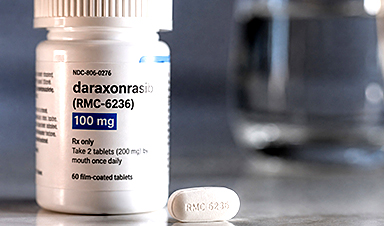
New pancreatic cancer drug carries a $39,800 monthly list price
A groundbreaking treatment for one of the most common forms of pancreatic cancer has been approved in pill form by the FDA. Revolution Medicines’ oral tablet daraxonrasib, branded as Rasonque, reduced the risk of [...]

Researchers Have Discovered a New Way To Reduce Chronic Nerve Pain
A cancer-linked protein called BRAF may help drive chronic nerve pain, and existing cancer drugs targeting it reduced pain sensitivity in preclinical models. Chronic nerve pain can persist long after an injury and often [...]
Our books now available worldwide!
Online Sellers other than Amazon, Routledge, and IOPP Indigo Global Health Care Equivalency in the Age of Nanotechnology, Nanomedicine and Artifcial Intelligence Global Health Care Equivalency In The Age Of Nanotechnology, Nanomedicine And Artificial [...]

Quantum-Enabled Regenerative Health: Reimagining Wellness, Precision Health and Longevity Medicine
Introduction Healthcare is approaching a frontier where the quantum portfolio could influence not only how disease is diagnosed and treated, but how health itself is measured, modeled, predicted and preserved. Quantum computing, quantum simulation, [...]

FDA Clears First-of-Its-Kind Nonmedication Treatment for PTSD
The FDA has cleared a system that uses brain activity data to personalize magnetic stimulation for PTSD, adding a new nonmedication treatment option. Every day in the United States, approximately 17.5 veterans die by suicide, [...]
FDA approves breakthrough drug to treat advanced pancreatic cancer
The Food and Drug Administration (FDA) approved on Wednesday a drug that could extend the survival of those with metastatic pancreatic cancer. The drug, called daraxonrasib, will be sold under the brand name Rasonque [...]

AI Decodes a Hidden DNA Signal Linked to Disease-Causing Mutations
Machine learning identifies the likely “initiator” and enables new predictions about DNA mutations that can cause disease. Every human cell depends on tens of thousands of genes being switched on at the right time [...]