Three new Cochrane reviews find evidence that GLP-1 drugs lead to clinically meaningful weight loss, though industry-funded studies raise concerns.
Three new reviews from Cochrane have found that GLP-1 medications can lead to significant weight loss, though questions remain about the influence of industry-funded research. Commissioned by the World Health Organization (WHO), these reviews will help shape forthcoming global guidelines on using these drugs to treat obesity.
The analyses focused on three medications known as GLP-1 receptor agonists and concluded that each produced clinically meaningful weight loss when compared with a placebo. However, researchers noted that data on long-term effects, side effects, and possible conflicts of interest are still uncertain or incomplete.
Glucagon-like peptide-1 (GLP-1) receptor agonists were first developed in the mid-2000s to help manage type 2 diabetes. In patients with this condition, particularly those with heart or kidney disease, the drugs improved blood sugar control, lowered the risk of related complications, aided in weight reduction, and decreased the likelihood of premature death.
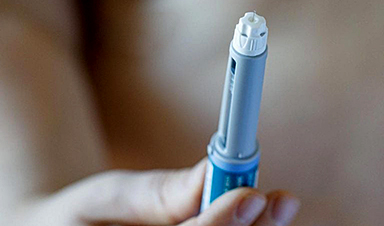
In recent years, these drugs have also been tested in people with obesity. By mimicking a natural hormone that slows digestion and promotes a sense of fullness, they can help reduce food intake. In the United Kingdom, GLP-1 receptor agonists are now approved for weight management in individuals with obesity, or in those who are overweight with health conditions linked to excess weight, when combined with a calorie-controlled diet and physical activity.
GLP-1 Drugs: Generic [and Brand Names]:
- Semaglutide [Ozempic, Wegovy, Rybelsus]
- Liraglutide [Victoza, Saxenda]
- Dulaglutide [Trulicity]
- Exenatide [Byetta, Bydureon]
- Tirzepatide (GLP-1/GIP dual agonist) [Mounjaro, Zepbound]
GLP-1 drugs show promise for weight management
Across the reviews, tirzepatide, semaglutide, and liraglutide each led to significant weight loss compared to placebo after one to two years, with these effects likely to be sustained while treatment continues.
- Tirzepatide (administered once weekly) resulted in approximately a 16% weight reduction after 12 to 18 months. Evidence from 8 randomized controlled trials (6,361 participants) also suggested these effects could be maintained for up to 3.5 years, although long-term safety data were limited.
- Semaglutide (also injected weekly) reduced body weight by around 11% after 24 to 68 weeks, with effects likely sustained up to two years, drawing on 18 randomized controlled trials (27,949 participants). The drug increased the likelihood of achieving at least 5% body weight loss but was associated with higher rates of mild-to-moderate gastrointestinal side effects.
- Liraglutide (a daily injection) resulted in a more modest average weight reduction of around 4–5%, based on 24 trials (9,937 participants), but still increased the proportion of people achieving meaningful weight loss compared with placebo. Evidence for longer-term effects beyond two years was more limited.
Across the reviews, there was little to no difference between these drugs and placebo for major cardiovascular events, quality of life, or mortality. However, adverse events, particularly nausea and digestive symptoms, were more common among participants taking GLP-1 drugs, and some stopped treatment due to side effects.
“These drugs have the potential to bring about substantial weight loss, particularly in the first year,” says Juan Franco, co-lead researcher from Heinrich Heine University Düsseldorf, Germany. “It’s an exciting moment after decades of unsuccessful attempts to find effective treatments for people living with obesity.”
Independent research and equitable access are key
Most included studies were funded by the drug manufacturers, who were substantially involved in the planning, conduct, analysis, and reporting of the results. This raises concerns about potential conflicts of interest and the need for independent research.
The authors also emphasized that the wider use of these drugs should consider social and commercial determinants of health, including access, affordability, and insurance coverage, to avoid deepening existing health inequities among people living with obesity. The high prices of semaglutide and tirzepatide currently limit access, while liraglutide’s expired patent has allowed for more affordable generic versions to become available. Semaglutide’s patent will also expire in 2026.
Studies included in all three reviews were conducted mainly in middle- and high-income countries, with limited or no representation from regions such as Africa, Central America, and Southeast Asia. Considering the diversity in body composition, diet, and health behaviors across populations, the authors note the importance of assessing how these drugs perform in different global contexts.
“We need more data on the long-term effects and other outcomes related to cardiovascular health, particularly in lower-risk individuals,” says Eva Madrid, co-lead researcher from the Universidad de Valparaíso, Chile. “Weight regain after stopping treatment may affect the long-term sustainability of the observed benefits. More independent studies from a public health perspective are needed.”
The reviews stress that independent, long-term investigations are essential to inform clinical and public policy decisions and to better establish the role of GLP-1 receptor agonists in long-term weight management.
Commissioned by the World Health Organization, these reviews will inform forthcoming WHO guidelines on the use of GLP-1 receptor agonists for treating obesity. The guidelines are expected to launch soon, following a public consultation held in September.
References:
“Liraglutide for adults living with obesity” by Nicolás Meza, Javier Bracchiglione, Camila Micaela Escobar Liquitay, Eva Madrid, Lucia B Varela, Yang Guo, Gerard Urrútia, Selcuk Er, Sandra Tiller, Kamyar Shokraee, Felipe Alvarez Busco, Ivan Solà, Miranda Ocara Vargas, Victoria Novik A, Daniel Poloni and Juan VA Franco, 30 October 2025, Cochrane Database of Systematic Reviews.
DOI: 10.1002/14651858.CD016017
“Semaglutide for adults living with obesity” by Javier Bracchiglione, Nicolás Meza, Juan VA Franco, Camila Micaela Escobar Liquitay, Victoria Novik A, Miranda Ocara Vargas, Gabriel Lazcano, Daniel Poloni, Francisca Rinaldi Langlotz, Marta Roqué-Figuls, Sergio R Munoz and Eva Madrid, 30 October 2025, Cochrane Database of Systematic Reviews.
DOI: 10.1002/14651858.CD015092.pub2
“Tirzepatide for adults living with obesity” by Juan VA Franco, Yang Guo, Lucia B Varela, Zakariya Aqra, Murad Alhalahla, Mauricio Medina Rodriguez, Edison Leonardo Salvador Oscco, Bernarda Patiño Araujo, Susan Banda, Camila Micaela Escobar Liquitay, Javier Bracchiglione, Nicolás Meza and Eva Madrid, 30 October 2025, Cochrane Database of Systematic Reviews.
DOI: 10.1002/14651858.CD016018

News

What is ‘American Covid’ and how bad is it?
Cases of so-called ‘American Covid’ are on the rise in the UK. The strain is officially called XFG, or ‘Stratus’, and is the most common variant in North America, hence the name. It might soon [...]

Researcher at Russian plague laboratory dies of ‘unknown’ infection
Russian authorities have imposed "anti-epidemic measures" after a laboratory worker at an institute in Siberia dedicated to studying the plague and other infectious diseases died of a mysterious illness. The researcher, a 28-year-old female [...]

GHCE Concept
From the preface of the book Global Health Care Equivalency in the Age of Nanotechnology, Nanomedicine and Artificial Intelligence, Edited by Frank Boehm: Since the publication of my first book (Nanomedical Device and Systems [...]

A Surprising Brain Signal Could Explain Why Eating Less Protein Extends Lifespan
A new paper suggests that limiting protein intake triggers a coordinated response throughout the body that may help explain how protein restriction affects healthy aging. Animals respond to protein restriction, or reduced protein in [...]

Back and shoulder surgery is often worse than useless
Millions of operations should be scrapped SIX IN TEN Britons have surgery at some point. So do lots of Americans, at a cost of perhaps $500bn a year, a third of all spending on [...]

Cocaine plays with mind, hijacks brain circuit, drives increasingly rigid and repetitive behavior
Researchers have found that cocaine hijacks brain circuit, which to drive increasingly rigid and repetitive behavior. The brain circuit that normally participates in selecting natural mouth and face movements, but which becomes disproportionately engaged [...]

Injectable nanodevices could provide effective treatment for drug-resistant glioblastoma
The brain cancer glioblastoma is one of the most aggressive and treatment-resistant cancers known to medicine, carrying a median survival of just 12-15 months, even with the best available care. Now, researchers at the [...]
New Treatment Cuts “Bad” Cholesterol in Half for a Full Year
A single infusion of an experimental CRISPR-Cas9 therapy was reported to safely lower LDL cholesterol by 52.5% and triglycerides by 47.8%, as measured 12 months after treatment. What if one infusion could keep cholesterol [...]

Too Much RNA Can Drain a Cell’s Energy, Scientists Discover
A virus may cripple a cell’s power supply simply by producing too much of a molecule the cell needs to survive. New research from the Texas A&M College of Veterinary Medicine and Biomedical Sciences [...]

West African scientists warn of weakening health systems and urge stronger outbreak detection
LOME, Togo (AP) — West African laboratory scientists called on governments Friday to strengthen capacity to detect disease outbreaks to avoid another major outbreak, saying health systems across the region are becoming weaker. Participants [...]

A Little-Known Protein Could Point to a New Way To Treat Alzheimer’s
A study suggests that increasing SORLA protein levels could help treat Alzheimer’s disease and other disorders involving tau protein. Increasing SORLA, a protein with a protective role in the brain, helped mice withstand damage [...]

Cancer’s Hidden Antioxidant Shield Helps It Escape the Immune System
Blocking an antioxidant protein that tumors use to suppress immune attacks improved cancer immunotherapy responses in mice. Cancer cells can release antioxidants that interfere with the immune cells trying to kill them. Researchers have [...]

Scientists Find a Berry Compound That Helps Muscle Cells Burn Fat
Pterostilbene, a compound found naturally in some foods, affects how skeletal muscles process fats by stabilizing a protein called PPARδ and increasing its signaling activity. Pterostilbene, a natural compound found in blueberries, grapes, and [...]

Two Hidden Forces Help Build the Human Brain Before Birth
Scientists have uncovered two surprising forces that help guide how the human brain forms before birth. Before birth, the human brain is shaped in large part by an unusual class of stem cells known [...]

Researchers Uncover a Hidden Trigger Behind Chronic Inflammation
The findings offer new insights that could help guide the development of future therapies. A protein called human resistin may help flip on one of the immune system’s most powerful inflammatory switches. Researchers at [...]

Scientists Have Uncovered Previously Hidden Microbial Activity on Human Skin
The most abundant microbes on your skin may not be the ones doing most of the work. Human skin supports vast communities of bacteria, fungi, and viruses that can influence its protective barrier, immune [...]