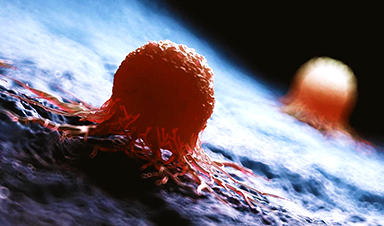
Colorectal cancer is striking younger adults at alarming rates, driven by lifestyle and genetic factors.
Colorectal cancer (CRC) develops when abnormal cells grow uncontrollably in the colon or rectum, forming tumors that can eventually invade nearby tissues or spread to other parts of the body. It typically begins as small, benign growths called polyps, which can take years to become cancerous.
Globally, CRC ranks among the top three most common cancers, affecting millions of people each year.
Traditionally viewed as a condition that primarily affects older adults, it is now emerging in far younger populations, raising growing concern among doctors and researchers.
Surge in Early-Onset CRC
A study published in The Lancet Oncology has revealed a sharp rise in colorectal cancer diagnoses among adults under 50. Between 2013 and 2017, 27 of the 50 countries studied reported growing rates of early-onset cases. While North America and Europe continue to show high incidence, similar trends are now appearing across Eastern Europe, South-Central and Southeastern Asia, and South America.
Experts suggest that this shift may be linked to modern dietary habits, urbanization, and environmental influences. Preventive measures such as earlier screenings, improved nutrition, and greater public awareness are seen as essential to reversing the trend. Without these interventions, researchers warn that cases could continue to climb in the coming decades.
Life Factors Fuel Rise
Multiple studies suggest that modern eating patterns are contributing to the surge. High consumption of ultra-processed foods, red and processed meats, and sugary drinks has been linked to increased inflammation and a greater vulnerability to cancer.
For example, a study from Kazakhstan found that participants consumed nearly twice the World Cancer Research Fund's recommended weekly limit of 500 grams of meat. Moreover, only 8.6% of respondents met the recommended intake for fish, highlighting potential nutritional deficiencies that may further elevate cancer risk.
Obesity, another key risk factor, has also been linked to CRC. Excess body fat promotes chronic inflammation and disrupts metabolic processes, yet the full extent of obesity's role may be underestimated. A review of 18 studies found that many CRC patients experience unintentional weight loss before diagnosis, meaning traditional measures of obesity's impact could be complex.
Genetics Drive Inherited Risk
Early-onset CRC is frequently associated with hereditary cancer syndromes, including Lynch syndrome and familial adenomatous polyposis, according to Dr. Alexei Tsukanov, head of the Laboratory of Genetics at the National Medical Research Center for Radiology. These conditions result from genetic mutations in tumor-suppressor genes, increasing the likelihood of developing CRC at a young age.
Early detection is critical, yet many individuals ignore warning signs such as persistent changes in bowel habits, blood in the stool, unexplained weight loss, and abdominal pain.
Dr. Tsukanov stated the importance of genetic testing for families with a history of CRC. "Identifying a hereditary mutation allows us to implement lifelong clinical monitoring and early intervention, significantly improving survival rates," he explains.
Innovative technologies like BGI Genomics' COLOTECT Stool DNA Methylation Test identifies CRC-related genetic markers (SDC2, ADHFE1, and PPP2R5C) through stool DNA analysis, offer a promising solution for non-invasive early detection.
Public Awareness for Early Screening
In many nations, including those in Eastern Europe and Central Asia, CRC screening programs are inconsistent. Some countries, such as Kazakhstan, Lithuania, Latvia, and Georgia, have structured national screening initiatives, while others rely on opportunistic testing, leading to gaps in early detection.
"To improve early detection, we must educate both healthcare providers and the public about the importance of screening," says Jemma Arakelyan, an advisor at the Immune Oncology Research Institute and CEO of The Institute of Cancer and Crisis in Armenia.
References:
"Colorectal cancer incidence trends in younger versus older adults: an analysis of population-based cancer registry data" by Hyuna Sung, Rebecca L Siegel, Mathieu Laversanne, Chenxi Jiang, Eileen Morgan, Mariam Zahwe, Yin Cao, Freddie Bray and Ahmedin Jemal, 11 December 2024, The Lancet Oncology.
DOI: 10.1016/S1470-2045(24)00600-4
"Self-reported consumption frequency of meat and fish products among young adults in Kazakhstan" by Venera Akhmetova, Yuriy Balji, Yelena Kandalina, Ainara Iskineyeva, Akmaral Mukhamejanova, Akmaral Baspakova, Yassin Uzakov, Kuralay Issayeva and Galia Zamaratskaia, 1 July 2024, Nutrition and Health.
DOI: 10.1177/02601060221114230
Reference: "Is the association of overweight and obesity with colorectal cancer underestimated? An umbrella review of systematic reviews and meta-analyses" by Marko Mandic, Hengjing Li, Fatemeh Safizadeh, Tobias Niedermaier, Michael Hoffmeister and Hermann Brenner, 21 January 2023, European Journal of Epidemiology.
DOI: 10.1007/s10654-022-00954-6
Colorectal cancer is no longer just a disease of the elderly. It is increasingly affecting younger adults, largely due to unhealthy lifestyle choices. This growing trend calls for urgent action from governments, healthcare professionals, and individuals to promote awareness, improve diets, encourage healthier lifestyles, and expand access to early screenings. The time to act is now.

News

Your Voice May Reveal How Fast Your Brain Is Aging
Researchers have developed a machine-learning “speech clock” that estimates age from subtle patterns in how people speak and what they say. It is possible that people’s voices may contain certain signals of aging that [...]

Optogenetics Pioneers Win 2026 Nobel Prize in Physiology or Medicine
The 2026 Nobel Prize in Physiology or Medicine has been awarded to Peter Hegemann, Georg Nagel, and Karl Deisseroth for the development of optogenetics, a revolutionary technology that uses light to control individual neurons [...]

Molecular Manufacturing: The Future of Nanomedicine – From NanoappsMedical Inc.
This book explores the revolutionary potential of atomically precise manufacturing technologies to transform global healthcare, as well as practically every other sector across society. This forward-thinking volume examines how envisaged Factory@Home systems might enable the cost-effective [...]

What is ‘American Covid’ and how bad is it?
Cases of so-called ‘American Covid’ are on the rise in the UK. The strain is officially called XFG, or ‘Stratus’, and is the most common variant in North America, hence the name. It might soon [...]
Researcher at Russian plague laboratory dies of ‘unknown’ infection
Russian authorities have imposed "anti-epidemic measures" after a laboratory worker at an institute in Siberia dedicated to studying the plague and other infectious diseases died of a mysterious illness. The researcher, a 28-year-old female [...]

GHCE Concept
From the preface of the book Global Health Care Equivalency in the Age of Nanotechnology, Nanomedicine and Artificial Intelligence, Edited by Frank Boehm: Since the publication of my first book (Nanomedical Device and Systems [...]

A Surprising Brain Signal Could Explain Why Eating Less Protein Extends Lifespan
A new paper suggests that limiting protein intake triggers a coordinated response throughout the body that may help explain how protein restriction affects healthy aging. Animals respond to protein restriction, or reduced protein in [...]

Back and shoulder surgery is often worse than useless
Millions of operations should be scrapped SIX IN TEN Britons have surgery at some point. So do lots of Americans, at a cost of perhaps $500bn a year, a third of all spending on [...]

Cocaine plays with mind, hijacks brain circuit, drives increasingly rigid and repetitive behavior
Researchers have found that cocaine hijacks brain circuit, which to drive increasingly rigid and repetitive behavior. The brain circuit that normally participates in selecting natural mouth and face movements, but which becomes disproportionately engaged [...]

Injectable nanodevices could provide effective treatment for drug-resistant glioblastoma
The brain cancer glioblastoma is one of the most aggressive and treatment-resistant cancers known to medicine, carrying a median survival of just 12-15 months, even with the best available care. Now, researchers at the [...]
New Treatment Cuts “Bad” Cholesterol in Half for a Full Year
A single infusion of an experimental CRISPR-Cas9 therapy was reported to safely lower LDL cholesterol by 52.5% and triglycerides by 47.8%, as measured 12 months after treatment. What if one infusion could keep cholesterol [...]

Too Much RNA Can Drain a Cell’s Energy, Scientists Discover
A virus may cripple a cell’s power supply simply by producing too much of a molecule the cell needs to survive. New research from the Texas A&M College of Veterinary Medicine and Biomedical Sciences [...]

West African scientists warn of weakening health systems and urge stronger outbreak detection
LOME, Togo (AP) — West African laboratory scientists called on governments Friday to strengthen capacity to detect disease outbreaks to avoid another major outbreak, saying health systems across the region are becoming weaker. Participants [...]

A Little-Known Protein Could Point to a New Way To Treat Alzheimer’s
A study suggests that increasing SORLA protein levels could help treat Alzheimer’s disease and other disorders involving tau protein. Increasing SORLA, a protein with a protective role in the brain, helped mice withstand damage [...]
Cancer’s Hidden Antioxidant Shield Helps It Escape the Immune System
Blocking an antioxidant protein that tumors use to suppress immune attacks improved cancer immunotherapy responses in mice. Cancer cells can release antioxidants that interfere with the immune cells trying to kill them. Researchers have [...]

Scientists Find a Berry Compound That Helps Muscle Cells Burn Fat
Pterostilbene, a compound found naturally in some foods, affects how skeletal muscles process fats by stabilizing a protein called PPARδ and increasing its signaling activity. Pterostilbene, a natural compound found in blueberries, grapes, and [...]