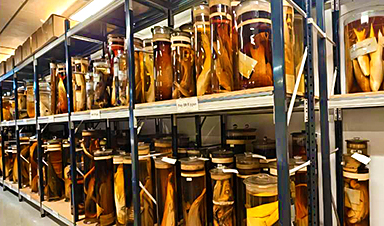
Scientists have successfully analyzed Charles Darwin’s original specimens from his HMS Beagle voyage (1831 to 1836) to the Galapagos Islands.
Remarkably, the specimens have been analyzed without opening their 200-year-old preservation jars.
Examining 46 historic specimens
The study examined 46 historic specimens at the Natural History Museum, London, including mammals, reptiles, fish, jellyfish, and shrimps collected by Darwin and other naturalists. The work is published in the journal ACS Omega.
It was found that traditional preservation methods differed by species and era.
Mammals and reptiles were typically fixed in formalin and stored in ethanol, while invertebrates might be kept in formalin, buffered solutions, or mixtures containing additives like glycerol.
80% of samples correctly identified
The technique correctly identified fluids in approximately 80% of cases tested, with partial identification in another 15%.
It also determined the types of glass or plastic containers used, providing insights into how storage methods have evolved over time.
The research was conducted by a collaboration between the Science and Technology Facilities Council (STFC), the Natural History Museum and Agilent Technologies.
Portable laser techniques
Researchers used a portable laser spectroscopy method called Spatially Offset Raman Spectroscopy (SORS) to peer through glass and identify the chemical composition of preservation fluids.
SORS performs chemical analysis by shining a laser light into a container and inspecting the changes in wavelength that occur when the light is reflected.
These changes indicate the presence of different chemical components within it.
SORS, originally developed at STFC’s Central Laser Facility, is the same technique which is used in airport scanners all over the world through Agilent Technologies.
Dr. Sara Mosca, STFC Central Laser Facility said, “Until now, understanding what preservation fluid is in each jar meant opening them, which risks evaporation, contamination, and exposing specimens to environmental damage. This technique allows us to monitor and care for these invaluable specimens without compromising their integrity.”
Impact for museums worldwide
There are over 100 million fluid-preserved specimens housed in museums worldwide.
For collection curators, knowing the exact composition of preservation fluids is essential for monitoring specimen condition.
The ability to analyze preservation fluids non-invasively offers conservators and curators a new tool for monitoring collection health and intervening before problems arise.
Transforming the study of natural history
Wren Montgomery, research technician at the Natural History Museum, says, “As part of NHM Unlocked, here at the Museum we can analyze jars containing specimens without opening and disturbing their integrity. This work is the next step in demonstrating the Museum’s commitment to transforming the study of natural history.
“Analyzing the storage conditions of precious specimens, and understanding the fluid in which they are kept, could have huge implications for how we care for collections and preserve them for future research for years to come.”
Publication details
Ana Blanco et al, In Situ Analysis of Historical Preservation Fluids in Sealed Containers with Spatially Offset Raman Spectroscopy, ACS Omega (2026). DOI: 10.1021/acsomega.5c09045
Journal information: ACS Omega
Provided by UK Research and Innovation

News
Scientists Discover Why Some COVID Survivors Still Can’t Taste Food Years Later
A new study provides the first direct biological evidence explaining why some people continue to experience taste loss long after recovering from COVID-19. Researchers have uncovered specific biological changes in taste buds that could help [...]
Catching COVID significantly raises the risk of developing kidney disease, researchers find
Catching Covid significantly raises the risk of developing deadly kidney disease, research has shown. The virus was found to increase the chances that patients will develop the incurable condition by around 50 per cent. [...]
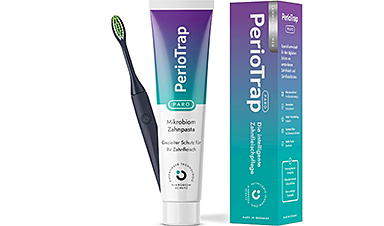
New Toothpaste Stops Gum Disease Without Harming Healthy Bacteria
Researchers have developed a targeted approach to combat periodontitis without disrupting the natural balance of the oral microbiome. The innovation could reshape how gum disease is treated while preserving beneficial bacteria. The human mouth [...]
Plastic Without End: Are We Polluting the Planet for Eternity?
The Kunming Montreal Global Biodiversity Framework calls for the elimination of plastic pollution by 2030. If that goal has been clearly set, why have meaningful measures that create real change still not been implemented? [...]
Scientists Rewire Natural Killer Cells To Attack Cancer Faster and Harder
Researchers tested new CAR designs in NK-92 cells and found the modified cells killed tumor cells more effectively, showing stronger anti-cancer activity. Researchers at the Ribeirão Preto Blood Center and the Center for Cell-Based [...]
New “Cellular” Target Could Transform How We Treat Alzheimer’s Disease
A new study from researchers highlights an unexpected player in Alzheimer’s disease: aging astrocytes. Senescent astrocytes have been identified as a major contributor to Alzheimer’s progression. The cells lose protective functions and fuel inflammation, particularly in [...]
Treating a Common Dental Infection… Effects That Extend Far Beyond the Mouth
Successful root canal treatment may help lower inflammation associated with heart disease and improve blood sugar and cholesterol levels. Treating an infected tooth with a successful root canal procedure may do more than relieve [...]
Microplastics found in prostate tumors in small study
In a new study, researchers found microplastics deep inside prostate cancer tumors, raising more questions about the role the ubiquitous pollutants play in public health. The findings — which come from a small study of 10 [...]
All blue-eyed people have this one thing in common
All Blue-Eyed People Have This One Thing In Common Blue Eyes Aren’t Random—Research Traces Them Back to One Prehistoric Human It sounds like a myth at first — something you’d hear in a folklore [...]
Scientists reveal how exercise protects the brain from Alzheimer’s
Researchers at UC San Francisco have identified a biological process that may explain why exercise sharpens thinking and memory. Their findings suggest that physical activity strengthens the brain's built in defense system, helping protect [...]
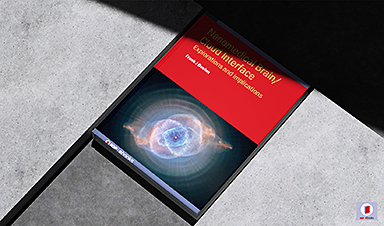
NanoMedical Brain/Cloud Interface – Explorations and Implications. A new book from Frank Boehm
New book from Frank Boehm, NanoappsMedical Inc Founder: This book explores the future hypothetical possibility that the cerebral cortex of the human brain might be seamlessly, safely, and securely connected with the Cloud via [...]
Deadly Pancreatic Cancer Found To “Wire Itself” Into the Body’s Nerves
A newly discovered link between pancreatic cancer and neural signaling reveals a promising drug target that slows tumor growth by blocking glutamate uptake. Pancreatic cancer is among the most deadly cancers, and scientists are [...]
This Simple Brain Exercise May Protect Against Dementia for 20 Years
A long-running study following thousands of older adults suggests that a relatively brief period of targeted brain training may have effects that last decades. Starting in the late 1990s, close to 3,000 older adults [...]
Scientists Crack a 50-Year Tissue Mystery With Major Cancer Implications
Researchers have resolved a 50-year-old scientific mystery by identifying the molecular mechanism that allows tissues to regenerate after severe damage. The discovery could help guide future treatments aimed at reducing the risk of cancer [...]

This New Blood Test Can Detect Cancer Before Tumors Appear
A new CRISPR-powered light sensor can detect the faintest whispers of cancer in a single drop of blood. Scientists have created an advanced light-based sensor capable of identifying extremely small amounts of cancer biomarkers [...]
Blindness Breakthrough? This Snail Regrows Eyes in 30 Days
A snail that regrows its eyes may hold the genetic clues to restoring human sight. Human eyes are intricate organs that cannot regrow once damaged. Surprisingly, they share key structural features with the eyes [...]