Researchers suggest that examining the inner workings of cells more closely could help physicians detect diseases earlier and more accurately match patients with effective therapies.
Researchers at McGill University have created an artificial intelligence tool capable of uncovering disease markers that were previously hidden within individual cells.
The study, published in Nature Communications, describes how this new system, called DOLPHIN, could eventually help physicians detect diseases at earlier stages and make more informed decisions about treatment strategies.
"This tool has the potential to help doctors match patients with the therapies most likely to work for them, reducing trial-and-error in treatment," said senior author Jun Ding, assistant professor in McGill's Department of Medicine and a junior scientist at the Research Institute of the McGill University Health Centre.
Zooming in on genetic building blocks
According to the team, disease markers often appear as subtle shifts in RNA expression, offering clues about whether an illness is present, how serious it might become, or how it could react to specific therapies.
Traditional gene-level analysis methods tend to combine these signals into a single count for each gene, which can hide important variations and provide only a limited view of what is happening inside the cell.
Now, advances in artificial intelligence have made it possible to capture the fine-grained complexity of single-cell data. DOLPHIN moves beyond gene-level, zooming in to see how genes are spliced together from smaller pieces called exons to provide a clearer view of cell states.
"Genes are not just one block, they're like Lego sets made of many smaller pieces," said first author Kailu Song, a PhD student in McGill's Quantitative Life Sciences program. "By looking at how those pieces are connected, our tool reveals important disease markers that have long been overlooked."
In one test case, DOLPHIN analyzed single-cell data from pancreatic cancer patients and found more than 800 disease markers missed by conventional tools. It was able to distinguish patients with high-risk, aggressive cancers from those with less severe cases, information that would help doctors choose the right treatment path.
A step toward 'virtual cells'
More broadly, the breakthrough lays the foundation for achieving the long-term goal of building digital models of human cells. DOLPHIN generates richer single-cell profiles than conventional methods, enabling virtual simulations of how cells behave and respond to drugs before moving to lab or clinical trials, saving time and money.
The researchers' next step will be to expand the tool's reach from a few datasets to millions of cells, paving the way for more accurate virtual cell models in the future.
Reference: "DOLPHIN advances single-cell transcriptomics beyond gene level by leveraging exon and junction reads" by Kailu Song, Yumin Zheng, Bowen Zhao, David H. Eidelman, Jian Tang and Jun Ding, 4 July 2025, Nature Communications.
DOI: 10.1038/s41467-025-61580-w
This research was supported the Meakins-Christie Chair in Respiratory Research, the Canadian Institutes of Health Research, the Natural Sciences and Engineering Research Council of Canada and the Fonds de recherche du Québec.

News

Your Voice May Reveal How Fast Your Brain Is Aging
Researchers have developed a machine-learning “speech clock” that estimates age from subtle patterns in how people speak and what they say. It is possible that people’s voices may contain certain signals of aging that [...]
Optogenetics Pioneers Win 2026 Nobel Prize in Physiology or Medicine
The 2026 Nobel Prize in Physiology or Medicine has been awarded to Peter Hegemann, Georg Nagel, and Karl Deisseroth for the development of optogenetics, a revolutionary technology that uses light to control individual neurons [...]

Molecular Manufacturing: The Future of Nanomedicine – From NanoappsMedical Inc.
This book explores the revolutionary potential of atomically precise manufacturing technologies to transform global healthcare, as well as practically every other sector across society. This forward-thinking volume examines how envisaged Factory@Home systems might enable the cost-effective [...]

What is ‘American Covid’ and how bad is it?
Cases of so-called ‘American Covid’ are on the rise in the UK. The strain is officially called XFG, or ‘Stratus’, and is the most common variant in North America, hence the name. It might soon [...]
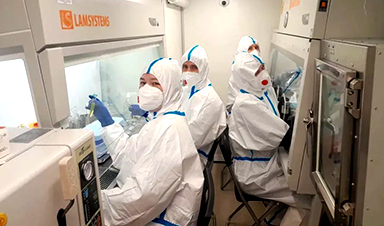
Researcher at Russian plague laboratory dies of ‘unknown’ infection
Russian authorities have imposed "anti-epidemic measures" after a laboratory worker at an institute in Siberia dedicated to studying the plague and other infectious diseases died of a mysterious illness. The researcher, a 28-year-old female [...]

GHCE Concept
From the preface of the book Global Health Care Equivalency in the Age of Nanotechnology, Nanomedicine and Artificial Intelligence, Edited by Frank Boehm: Since the publication of my first book (Nanomedical Device and Systems [...]

A Surprising Brain Signal Could Explain Why Eating Less Protein Extends Lifespan
A new paper suggests that limiting protein intake triggers a coordinated response throughout the body that may help explain how protein restriction affects healthy aging. Animals respond to protein restriction, or reduced protein in [...]

Back and shoulder surgery is often worse than useless
Millions of operations should be scrapped SIX IN TEN Britons have surgery at some point. So do lots of Americans, at a cost of perhaps $500bn a year, a third of all spending on [...]
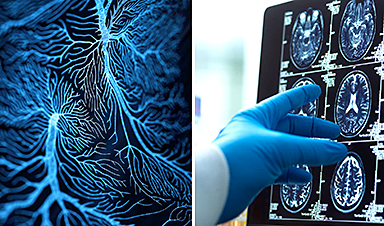
Cocaine plays with mind, hijacks brain circuit, drives increasingly rigid and repetitive behavior
Researchers have found that cocaine hijacks brain circuit, which to drive increasingly rigid and repetitive behavior. The brain circuit that normally participates in selecting natural mouth and face movements, but which becomes disproportionately engaged [...]
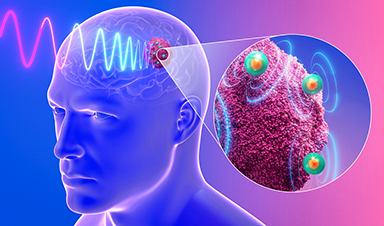
Injectable nanodevices could provide effective treatment for drug-resistant glioblastoma
The brain cancer glioblastoma is one of the most aggressive and treatment-resistant cancers known to medicine, carrying a median survival of just 12-15 months, even with the best available care. Now, researchers at the [...]
New Treatment Cuts “Bad” Cholesterol in Half for a Full Year
A single infusion of an experimental CRISPR-Cas9 therapy was reported to safely lower LDL cholesterol by 52.5% and triglycerides by 47.8%, as measured 12 months after treatment. What if one infusion could keep cholesterol [...]
Too Much RNA Can Drain a Cell’s Energy, Scientists Discover
A virus may cripple a cell’s power supply simply by producing too much of a molecule the cell needs to survive. New research from the Texas A&M College of Veterinary Medicine and Biomedical Sciences [...]

West African scientists warn of weakening health systems and urge stronger outbreak detection
LOME, Togo (AP) — West African laboratory scientists called on governments Friday to strengthen capacity to detect disease outbreaks to avoid another major outbreak, saying health systems across the region are becoming weaker. Participants [...]

A Little-Known Protein Could Point to a New Way To Treat Alzheimer’s
A study suggests that increasing SORLA protein levels could help treat Alzheimer’s disease and other disorders involving tau protein. Increasing SORLA, a protein with a protective role in the brain, helped mice withstand damage [...]
Cancer’s Hidden Antioxidant Shield Helps It Escape the Immune System
Blocking an antioxidant protein that tumors use to suppress immune attacks improved cancer immunotherapy responses in mice. Cancer cells can release antioxidants that interfere with the immune cells trying to kill them. Researchers have [...]

Scientists Find a Berry Compound That Helps Muscle Cells Burn Fat
Pterostilbene, a compound found naturally in some foods, affects how skeletal muscles process fats by stabilizing a protein called PPARδ and increasing its signaling activity. Pterostilbene, a natural compound found in blueberries, grapes, and [...]