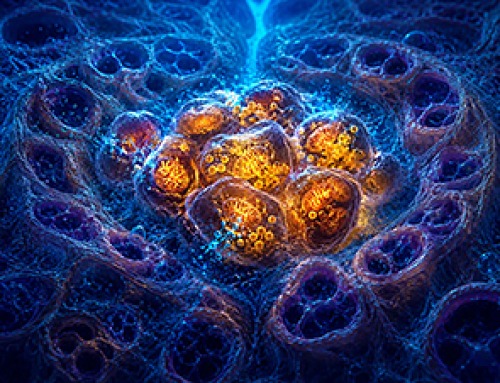
Pterostilbene, a compound found naturally in some foods, affects how skeletal muscles process fats by stabilizing a protein called PPARδ and increasing its signaling activity.
Pterostilbene, a natural compound found in blueberries, grapes, and other berries, may help muscle cells clear excess fat by protecting a protein that regulates how they use it. Researchers in Japan found that the compound reduced fat buildup in cultured mouse skeletal muscle cells, with experiments pointing to increased breakdown and use of stored lipids.
Excess fat inside skeletal muscle cells can interfere with their ability to use glucose and fatty acids efficiently. Unlike fat stored beneath the skin, these intracellular lipid droplets can disrupt normal muscle function. High-fat diets, inactivity, and aging can all drive this abnormal buildup, known as myosteatosis. It reduces metabolic flexibility, the ability to adjust fuel use, and contributes to insulin resistance, in which cells respond less effectively to insulin.
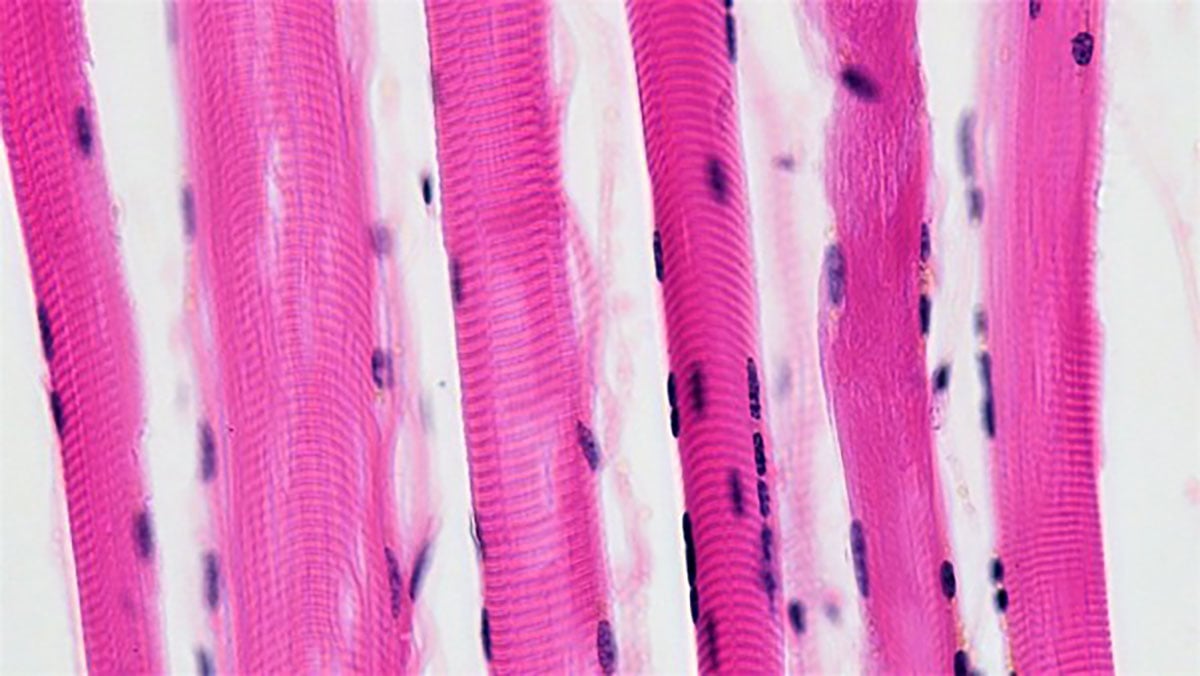
The research team, led by Associate Professor Takakazu Mitani of Shinshu University, traced pterostilbene’s effects to peroxisome proliferator-activated receptor δ, or PPARδ. This receptor protein helps switch on genes involved in burning fatty acids for energy. Most experimental drugs designed to stimulate PPARδ bind directly to it. Pterostilbene instead protected the protein from the ubiquitin–proteasome pathway, the cellular system that tags proteins for disposal and breaks them down. Keeping more PPARδ available increased its activity in regulating genes associated with lipid metabolism.
Pterostilbene did not prevent fatty acids from entering the muscle cells. Instead, treated cells released more glycerol, an indicator of fat breakdown. They also increased the expression of genes involved in fatty acid oxidation, the process of using fatty acids for energy. Together, these findings indicate that the compound promoted both the breakdown of stored lipids and their subsequent use.

Pterostilbene outperformed the other compounds tested
Pterostilbene is a polyphenol, a type of naturally occurring plant compound. Earlier research had associated it with beneficial metabolic effects in the liver and adipose, or fat, tissue, but its role in skeletal muscle was less well understood. Researchers had also been exploring food-derived compounds as possible regulators of PPARδ, though the molecular mechanisms remained unclear.
“We currently lack approved treatments specifically targeting myosteatosis,” says Mitani. “This critical gap led our team to screen food-derived compounds for natural, dietary interventions. During the screening, we identified pterostilbene and focused our investigation on uncovering its precise mechanism of action.”
The team tested a panel of food-derived plant chemicals in cultured C2C12 mouse skeletal muscle cells. Pterostilbene produced the strongest suppression of abnormal intracellular lipid accumulation among the compounds tested. It also maintained normal cell growth and differentiation, the process through which cells develop their specialized muscle characteristics.
The research was made available online on July 16, 2026, with publication scheduled for September 1, 2026, in Volume 83 of Food Bioscience.
Health benefits remain unproven
“Our findings establish a scientific framework for developing functional foods and nutritional supplements that target muscle fat metabolism. However, beyond the potential of pterostilbene itself, this work provides an experimental framework for identifying other natural compounds that can stabilize the PPARδ protein,” Mitani said.
Whether these cellular effects could help prevent or treat obesity, type 2 diabetes, or age-related metabolic decline remains unproven. Rigorous studies in living organisms are needed to assess whether pterostilbene is effective, safe, and selective in its action on PPARδ before these findings can be translated into nutritional or pharmaceutical applications.suppresses intracellular lipid accumulation in C2C12 myocytes via PPARδ stabilization” by Maaya Suzuki, Miu Iwasaki, Yasuki Higashimura, Tomohide Takaya and Takakazu Mitani, 16 July 2026, Food Bioscience.
DOI: 10.1016/j.fbio.2026.109519

News – Curated by Amanda Scott, Alias Group Creative
Follow her on Bluesky
Scientists Find a Berry Compound That Helps Muscle Cells Burn Fat
Pterostilbene, a compound found naturally in some foods, affects how skeletal muscles process fats by stabilizing a protein called PPARδ and increasing its signaling activity. Pterostilbene, a natural compound found in blueberries, grapes, and [...]
Two Hidden Forces Help Build the Human Brain Before Birth
Scientists have uncovered two surprising forces that help guide how the human brain forms before birth. Before birth, the human brain is shaped in large part by an unusual class of stem cells known [...]
Researchers Uncover a Hidden Trigger Behind Chronic Inflammation
The findings offer new insights that could help guide the development of future therapies. A protein called human resistin may help flip on one of the immune system’s most powerful inflammatory switches. Researchers at [...]
Scientists Have Uncovered Previously Hidden Microbial Activity on Human Skin
The most abundant microbes on your skin may not be the ones doing most of the work. Human skin supports vast communities of bacteria, fungi, and viruses that can influence its protective barrier, immune [...]
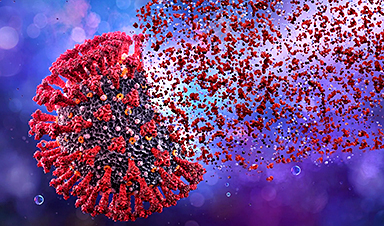
Brazilian Tree Compounds Fight COVID-19 on Multiple Fronts
Scientists found compounds in a Brazilian tree that hit SARS-CoV-2 on multiple fronts, revealing a promising new lead in the search for COVID-19 treatments. Researchers have found that galloylquinic acids extracted from the leaves [...]
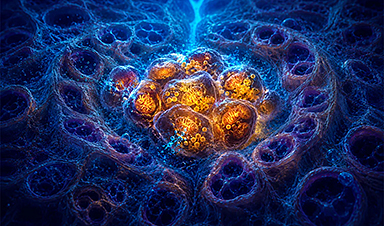
Cutting Two Amino Acids Slowed Prostate Cancer in Mice
A newly identified link between amino acid metabolism and cholesterol production may help prostate tumors adapt to hormone therapy. Prostate cancer can find ways around treatments designed to deprive tumors of the hormones they [...]

Largest-Ever Physics Survey Raises New Doubts About Our Model of the Universe
Physicists around the world remain deeply divided on key mysteries of the universe, from dark matter to quantum gravity. The standard cosmological model failed to gain majority support, and no leading theory dominated the [...]

Scientists Just Overturned a 100-Year-Old Belief About Bacteria in the Lungs
New findings raise questions about the role of microbes living in the lungs. More than 35 trillion bacteria live throughout the human body, forming microbiomes in the gut, mouth, lungs, skin, and urogenital tract. [...]

GHCE Concept
From the preface of the book Global Health Care Equivalency in the Age of Nanotechnology, Nanomedicine and Artificial Intelligence, Edited by Frank Boehm: Since the publication of my first book (Nanomedical Device and Systems [...]

Novartis, Ionis drug failure spurs questions
Pelacarsen didn’t protect heart health despite lowering levels of a protein particle, “Lp(a),” in a large clinical trial — a result with important implications for cardiovascular drug research. Dive Brief: An RNA drug from [...]

New injectable treatment helps the brain rebuild after stroke
Biomedical engineers at Duke University have created an injectable biomaterial that may help the brain recover from damage left behind by an ischemic stroke. In experiments with mice, the material transformed the cavity created [...]

Scientists Discover a Hidden “Immune Organ” Inside the Skull
Researchers discovered lymph node-like immune hubs inside skull bone marrow that appear to act as rapid-response centers for the brain. For decades, the brain was thought to operate largely apart from the immune system. [...]
Engineered tRNAs and lipid nanoparticles target nonsense mutation cystic fibrosis
Researchers have developed a potential new approach for treating a form of cystic fibrosis caused by so-called nonsense mutations, combining chemically modified transfer RNAs with lipid nanoparticles designed to deliver the therapy directly to [...]
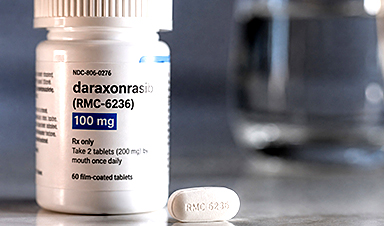
New pancreatic cancer drug carries a $39,800 monthly list price
A groundbreaking treatment for one of the most common forms of pancreatic cancer has been approved in pill form by the FDA. Revolution Medicines’ oral tablet daraxonrasib, branded as Rasonque, reduced the risk of [...]
Researchers Have Discovered a New Way To Reduce Chronic Nerve Pain
A cancer-linked protein called BRAF may help drive chronic nerve pain, and existing cancer drugs targeting it reduced pain sensitivity in preclinical models. Chronic nerve pain can persist long after an injury and often [...]
Our books now available worldwide!
Online Sellers other than Amazon, Routledge, and IOPP Indigo Global Health Care Equivalency in the Age of Nanotechnology, Nanomedicine and Artifcial Intelligence Global Health Care Equivalency In The Age Of Nanotechnology, Nanomedicine And Artificial [...]