A single blood marker may quietly signal dementia risk decades in advance.
Scientists at the University of California, San Diego, have identified a blood signal that could forecast dementia risk decades before symptoms begin. Their study, recently published in JAMA Network Open, highlights a protein called phosphorylated tau 217 (p-tau217), which reflects early changes in the brain linked to Alzheimer's disease.
Among older women with no signs of cognitive decline at the start of the study, those with higher levels of p-tau217 were far more likely to develop mild cognitive impairment or dementia years later. In some cases, the signal appeared up to 25 years before diagnosis, suggesting that the disease process may begin silently much earlier than previously understood.
"Our study suggests we may be able to identify women at elevated risk for dementia decades before symptoms emerge," said Aladdin H. Shadyab, PhD, MPH, first author of the study and UC San Diego associate professor of public health and medicine at the Herbert Wertheim School of Public Health and Human Longevity Science and the School of Medicine. "That kind of long lead time opens the door to earlier prevention strategies and more targeted monitoring, rather than waiting until memory problems are already affecting daily life."
Long-Term Study Reveals Predictive Biomarker
The analysis included 2,766 participants from the Women's Health Initiative Memory Study, a nationwide project that enrolled women ages 65 to 79 in the late 1990s and followed them for as long as 25 years. All participants had normal cognitive function at enrollment.
Researchers later tested stored blood samples to measure p-tau217, which reflects early Alzheimer's-related changes in the brain. Over time, they identified participants who developed memory or thinking problems, including dementia.
Women with higher p-tau217 levels at the start of the study were significantly more likely to develop dementia later in life. Risk rose steadily alongside biomarker levels, with the highest levels corresponding to the greatest likelihood of long-term cognitive decline.
The strength of this link was not uniform across all participants. Higher p-tau217 levels were more strongly tied to worse cognitive outcomes in women over age 70 compared to those who were younger at baseline. The association was also stronger in women carrying the APOE ε4 genetic variant, which increases Alzheimer's risk.
In addition, p-tau217 more accurately predicted dementia in women assigned to estrogen plus progestin hormone therapy compared with those given a placebo. Differences were also observed between white and Black women, although combining p-tau217 levels with age improved prediction accuracy in both groups.
Toward Earlier Detection and Prevention
"Blood-based biomarkers like p-tau217 are especially promising because they are far less invasive and potentially more accessible than brain imaging or spinal fluid tests," said Linda K. McEvoy, PhD, senior author of the study, senior investigator at Kaiser Permanente Washington Health Research Institute and professor emeritus at the Herbert Wertheim School of Public Health. "This is important for accelerating research into the factors that affect risk of dementia and for evaluating strategies that may reduce risk."
At present, blood-based biomarkers are not recommended for clinical use in people without symptoms of cognitive impairment. The researchers emphasize that more studies are needed to determine how p-tau217 testing could be used in routine care and whether detecting risk earlier can improve outcomes.
Future work will examine how hormone therapy, genetics, and age-related health conditions interact with plasma p-tau217 over time to influence dementia risk.
"Ultimately, the goal is not just prediction," Shadyab added, "but using that knowledge to delay or prevent dementia altogether."
Reference: "Plasma Phosphorylated Tau 217 and Incident Mild Cognitive Impairment and Dementia in Older Women" by Aladdin H. Shadyab, Bowei Zhang, Andrea Z. LaCroix, Michelle M. Mielke, Susan M. Resnick, Steve Nguyen, Luigi Ferrucci, Towia A. Libermann, Long Ngo, Ramon Casanova, Alexander P. Reiner, Danni Li, Caroline M. Nievergelt, Adam X. Maihofer, JoAnn E. Manson and Linda K. McEvoy, 10 March 2026, JAMA Network Open.
DOI: 10.1001/jamanetworkopen.2026.1295
Disclaimer: Shadyab reports funding from R01AG079149. Mielke reports receiving funding from U24 AG082930; grants and contracts from NIH (RF1AG69052, RF1AG077386, RF1AG079397, U19 AG078109, U24 AG082930), DOD (W81XWH2110490), Alzheimer's Association, and Davos Alzheimer's Collaborative; consulting fees from Acadia, Althira, Beckman Coulter, Biogen, Cognito Therapeutics, Eisai, Lilly, Merck, Neurogen Biomarking, Novo Nordisk, Roche, Siemens Healthineers; payment from Roche, Novo Nordisk, Biogen, and Medscape; and payments for grant reviews. Resnick reports employment by the NIA Intramural Research Program during the study; support from the McKnight Foundation Annual Meeting as a keynote speaker; ISAB member of the Canadian Consortium on Neurodegeneration in Aging; External Advisory Board Member on the Adult Aging Brain Connectome Study; and ISAB member for Dementia Platforms UK. Ngyuen reports funding from 5K99AG082863-02. LaCroix reports funding from grant R01AG079149 and contract 75N92021D00001. Zhang reports funding from R01AG079149 and residual class settlement funds in the matter of April Krueger vs. Wyeth, Inc., Case No. 03-cv-2496 (US District Court, SD of California). McEvoy reports funding from R01AG079149. All other authors declare no competing interests.

News – Curated by Amanda Scott, Alias Group Creative
Follow her on Bluesky
A Simple Blood Test Could Predict Dementia Risk 25 Years Early
A single blood marker may quietly signal dementia risk decades in advance. Scientists at the University of California, San Diego, have identified a blood signal that could forecast dementia risk decades before symptoms begin. Their [...]

Sperm Get Lost in Space and Scientists Finally Know Why
Having a baby in space may be far more complicated than expected, as new research shows sperm struggle to find their way in microgravity. Starting a family beyond Earth could be more complicated than [...]
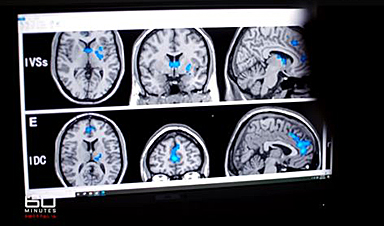
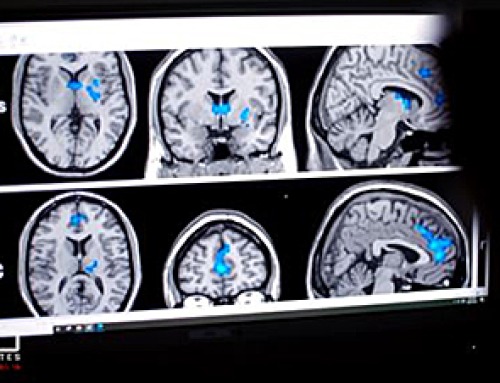
Digital Dementia – Brain fog and disassociation from being chronically online
New medical evidence, featured on 60 Minutes Australia, indicates excessive screen time is causing "digital dementia" in young Australians, with brain scans showing physical shrinkage and damage. Experts warn that high device usage (6-8 hours [...]

A new, highly mutated COVID variant called ‘Cicada’ is spreading in the US.
BA.3.2, a heavily mutated new COVID-19 variant which may be better able to escape immunity from vaccines or prior infection, is now spreading in the United States. Although COVID cases are currently low nationally, [...]
Molecular Manufacturing: The Future of Nanomedicine – New book from NanoappsMedical Inc.
This book explores the revolutionary potential of atomically precise manufacturing technologies to transform global healthcare, as well as practically every other sector across society. This forward-thinking volume examines how envisaged Factory@Home systems might enable the cost-effective [...]

Ancient bacteria strain discovered in ice cave is resistant to some modern antibiotics
In the depths of Scarisoara cave in Romania sits one of the world’s biggest underground glaciers, a monumental slab of ice the size of roughly 40 Olympic swimming pools that began to form around [...]

Scientists Identify “Good” Bacteria That May Prevent Long COVID
According to the WHO, about 6% of people worldwide who get COVID-19, roughly 400 million people, later develop a long-lasting form of the illness. That shows the condition remains a significant public health challenge. In [...]

New book from Nanoappsmedical Inc. – Global Health Care Equivalency
A new book by Frank Boehm, NanoappsMedical Inc. Founder. This groundbreaking volume explores the vision of a Global Health Care Equivalency (GHCE) system powered by artificial intelligence and quantum computing technologies, operating on secure [...]
RNA Recycling Extends Lifespan
Summary: Researchers discovered a biological “trash disposal” mechanism that directly controls how fast we age. While circular RNA has long been known to accumulate in cells as we get older, this study proves for the [...]
Cancer’s Deadly Paradox: How Tumors Break Their Own DNA To Keep Growing
Cancer’s strongest gene switches push DNA into damaging overdrive, creating repeated breaks and repairs that may fuel tumor evolution while exposing possible therapeutic weak spots. A new study indicates that cancer can harm its own genetic [...]
NanoMedical Brain/Cloud Interface – Explorations and Implications. A new book from Frank Boehm
New book from Frank Boehm, NanoappsMedical Inc Founder: This book explores the future hypothetical possibility that the cerebral cortex of the human brain might be seamlessly, safely, and securely connected with the Cloud via [...]

Our books now available worldwide!
Online Sellers other than Amazon, Routledge, and IOPP Indigo Global Health Care Equivalency in the Age of Nanotechnology, Nanomedicine and Artifcial Intelligence Global Health Care Equivalency In The Age Of Nanotechnology, Nanomedicine And Artificial [...]
Ryugu asteroid samples contain all DNA and RNA building blocks, bolstering origin-of-life theories
All the essential ingredients to make the DNA and RNA underpinning life on Earth have been discovered in samples collected from the asteroid Ryugu, scientists said Monday. The discovery comes after these building blocks [...]

Is Berberine Really a “Natural Ozempic”?
Often labeled a “natural Ozempic,” berberine is widely discussed as a metabolic aid. Yet research suggests its influence may lie deeper. In recent years, berberine has gained significant attention as a supposed “natural way” [...]
Viagra Ingredient Shows Promise for Rare Childhood Brain Disease in Surprising Study
A rare childhood disease with no approved treatment may have an unexpected new therapeutic candidate. Sildenafil, the active ingredient also sold under the brand name Viagra, may help reduce symptoms in people with Leigh [...]
In a first for China, Neuracle’s implantable brain-computer interface wins approval
In a landmark development, Neuracle Medical Technology has secured the country’s first-ever approval for an implantable brain-computer interface (BCI) system designed to restore hand motor function in patients with spinal cord injuries, in a [...]