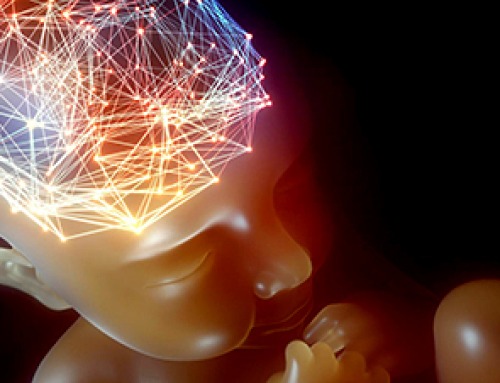
A single blood marker may quietly signal dementia risk decades in advance.
Scientists at the University of California, San Diego, have identified a blood signal that could forecast dementia risk decades before symptoms begin. Their study, recently published in JAMA Network Open, highlights a protein called phosphorylated tau 217 (p-tau217), which reflects early changes in the brain linked to Alzheimer's disease.
Among older women with no signs of cognitive decline at the start of the study, those with higher levels of p-tau217 were far more likely to develop mild cognitive impairment or dementia years later. In some cases, the signal appeared up to 25 years before diagnosis, suggesting that the disease process may begin silently much earlier than previously understood.
"Our study suggests we may be able to identify women at elevated risk for dementia decades before symptoms emerge," said Aladdin H. Shadyab, PhD, MPH, first author of the study and UC San Diego associate professor of public health and medicine at the Herbert Wertheim School of Public Health and Human Longevity Science and the School of Medicine. "That kind of long lead time opens the door to earlier prevention strategies and more targeted monitoring, rather than waiting until memory problems are already affecting daily life."
Long-Term Study Reveals Predictive Biomarker
The analysis included 2,766 participants from the Women's Health Initiative Memory Study, a nationwide project that enrolled women ages 65 to 79 in the late 1990s and followed them for as long as 25 years. All participants had normal cognitive function at enrollment.
Researchers later tested stored blood samples to measure p-tau217, which reflects early Alzheimer's-related changes in the brain. Over time, they identified participants who developed memory or thinking problems, including dementia.
Women with higher p-tau217 levels at the start of the study were significantly more likely to develop dementia later in life. Risk rose steadily alongside biomarker levels, with the highest levels corresponding to the greatest likelihood of long-term cognitive decline.
The strength of this link was not uniform across all participants. Higher p-tau217 levels were more strongly tied to worse cognitive outcomes in women over age 70 compared to those who were younger at baseline. The association was also stronger in women carrying the APOE ε4 genetic variant, which increases Alzheimer's risk.
In addition, p-tau217 more accurately predicted dementia in women assigned to estrogen plus progestin hormone therapy compared with those given a placebo. Differences were also observed between white and Black women, although combining p-tau217 levels with age improved prediction accuracy in both groups.
Toward Earlier Detection and Prevention
"Blood-based biomarkers like p-tau217 are especially promising because they are far less invasive and potentially more accessible than brain imaging or spinal fluid tests," said Linda K. McEvoy, PhD, senior author of the study, senior investigator at Kaiser Permanente Washington Health Research Institute and professor emeritus at the Herbert Wertheim School of Public Health. "This is important for accelerating research into the factors that affect risk of dementia and for evaluating strategies that may reduce risk."
At present, blood-based biomarkers are not recommended for clinical use in people without symptoms of cognitive impairment. The researchers emphasize that more studies are needed to determine how p-tau217 testing could be used in routine care and whether detecting risk earlier can improve outcomes.
Future work will examine how hormone therapy, genetics, and age-related health conditions interact with plasma p-tau217 over time to influence dementia risk.
"Ultimately, the goal is not just prediction," Shadyab added, "but using that knowledge to delay or prevent dementia altogether."
Reference: "Plasma Phosphorylated Tau 217 and Incident Mild Cognitive Impairment and Dementia in Older Women" by Aladdin H. Shadyab, Bowei Zhang, Andrea Z. LaCroix, Michelle M. Mielke, Susan M. Resnick, Steve Nguyen, Luigi Ferrucci, Towia A. Libermann, Long Ngo, Ramon Casanova, Alexander P. Reiner, Danni Li, Caroline M. Nievergelt, Adam X. Maihofer, JoAnn E. Manson and Linda K. McEvoy, 10 March 2026, JAMA Network Open.
DOI: 10.1001/jamanetworkopen.2026.1295
Disclaimer: Shadyab reports funding from R01AG079149. Mielke reports receiving funding from U24 AG082930; grants and contracts from NIH (RF1AG69052, RF1AG077386, RF1AG079397, U19 AG078109, U24 AG082930), DOD (W81XWH2110490), Alzheimer's Association, and Davos Alzheimer's Collaborative; consulting fees from Acadia, Althira, Beckman Coulter, Biogen, Cognito Therapeutics, Eisai, Lilly, Merck, Neurogen Biomarking, Novo Nordisk, Roche, Siemens Healthineers; payment from Roche, Novo Nordisk, Biogen, and Medscape; and payments for grant reviews. Resnick reports employment by the NIA Intramural Research Program during the study; support from the McKnight Foundation Annual Meeting as a keynote speaker; ISAB member of the Canadian Consortium on Neurodegeneration in Aging; External Advisory Board Member on the Adult Aging Brain Connectome Study; and ISAB member for Dementia Platforms UK. Ngyuen reports funding from 5K99AG082863-02. LaCroix reports funding from grant R01AG079149 and contract 75N92021D00001. Zhang reports funding from R01AG079149 and residual class settlement funds in the matter of April Krueger vs. Wyeth, Inc., Case No. 03-cv-2496 (US District Court, SD of California). McEvoy reports funding from R01AG079149. All other authors declare no competing interests.

News – Curated by Amanda Scott, Alias Group Creative
Follow her on Bluesky
Injectable nanodevices could provide effective treatment for drug-resistant glioblastoma
The brain cancer glioblastoma is one of the most aggressive and treatment-resistant cancers known to medicine, carrying a median survival of just 12-15 months, even with the best available care. Now, researchers at the [...]
New Treatment Cuts “Bad” Cholesterol in Half for a Full Year
A single infusion of an experimental CRISPR-Cas9 therapy was reported to safely lower LDL cholesterol by 52.5% and triglycerides by 47.8%, as measured 12 months after treatment. What if one infusion could keep cholesterol [...]
Too Much RNA Can Drain a Cell’s Energy, Scientists Discover
A virus may cripple a cell’s power supply simply by producing too much of a molecule the cell needs to survive. New research from the Texas A&M College of Veterinary Medicine and Biomedical Sciences [...]

West African scientists warn of weakening health systems and urge stronger outbreak detection
LOME, Togo (AP) — West African laboratory scientists called on governments Friday to strengthen capacity to detect disease outbreaks to avoid another major outbreak, saying health systems across the region are becoming weaker. Participants [...]

A Little-Known Protein Could Point to a New Way To Treat Alzheimer’s
A study suggests that increasing SORLA protein levels could help treat Alzheimer’s disease and other disorders involving tau protein. Increasing SORLA, a protein with a protective role in the brain, helped mice withstand damage [...]
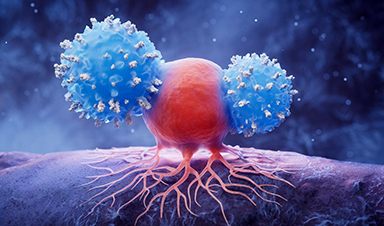
Cancer’s Hidden Antioxidant Shield Helps It Escape the Immune System
Blocking an antioxidant protein that tumors use to suppress immune attacks improved cancer immunotherapy responses in mice. Cancer cells can release antioxidants that interfere with the immune cells trying to kill them. Researchers have [...]

Scientists Find a Berry Compound That Helps Muscle Cells Burn Fat
Pterostilbene, a compound found naturally in some foods, affects how skeletal muscles process fats by stabilizing a protein called PPARδ and increasing its signaling activity. Pterostilbene, a natural compound found in blueberries, grapes, and [...]
Two Hidden Forces Help Build the Human Brain Before Birth
Scientists have uncovered two surprising forces that help guide how the human brain forms before birth. Before birth, the human brain is shaped in large part by an unusual class of stem cells known [...]
Researchers Uncover a Hidden Trigger Behind Chronic Inflammation
The findings offer new insights that could help guide the development of future therapies. A protein called human resistin may help flip on one of the immune system’s most powerful inflammatory switches. Researchers at [...]
Scientists Have Uncovered Previously Hidden Microbial Activity on Human Skin
The most abundant microbes on your skin may not be the ones doing most of the work. Human skin supports vast communities of bacteria, fungi, and viruses that can influence its protective barrier, immune [...]
Brazilian Tree Compounds Fight COVID-19 on Multiple Fronts
Scientists found compounds in a Brazilian tree that hit SARS-CoV-2 on multiple fronts, revealing a promising new lead in the search for COVID-19 treatments. Researchers have found that galloylquinic acids extracted from the leaves [...]
Cutting Two Amino Acids Slowed Prostate Cancer in Mice
A newly identified link between amino acid metabolism and cholesterol production may help prostate tumors adapt to hormone therapy. Prostate cancer can find ways around treatments designed to deprive tumors of the hormones they [...]

Largest-Ever Physics Survey Raises New Doubts About Our Model of the Universe
Physicists around the world remain deeply divided on key mysteries of the universe, from dark matter to quantum gravity. The standard cosmological model failed to gain majority support, and no leading theory dominated the [...]

Scientists Just Overturned a 100-Year-Old Belief About Bacteria in the Lungs
New findings raise questions about the role of microbes living in the lungs. More than 35 trillion bacteria live throughout the human body, forming microbiomes in the gut, mouth, lungs, skin, and urogenital tract. [...]
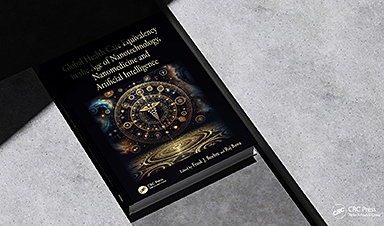
GHCE Concept
From the preface of the book Global Health Care Equivalency in the Age of Nanotechnology, Nanomedicine and Artificial Intelligence, Edited by Frank Boehm: Since the publication of my first book (Nanomedical Device and Systems [...]

Novartis, Ionis drug failure spurs questions
Pelacarsen didn’t protect heart health despite lowering levels of a protein particle, “Lp(a),” in a large clinical trial — a result with important implications for cardiovascular drug research. Dive Brief: An RNA drug from [...]