Often labeled a “natural Ozempic,” berberine is widely discussed as a metabolic aid. Yet research suggests its influence may lie deeper.
In recent years, berberine has gained significant attention as a supposed “natural way” to support metabolism. Discussions on social media frequently compare the compound with incretin drugs, and it is sometimes labeled “plant-based Ozempic.” These comparisons suggest that berberine works through a clear and predictable biological pathway.
However, a new scientific review indicates that this popular portrayal is overly simplistic. According to the authors, the available research does not support the idea that berberine acts through a straightforward mechanism or produces uniform metabolic effects.
Researchers from Wroclaw Medical University explain that berberine is an alkaloid that does not function like a hormone based medication and does not target a single receptor. Instead, its influence on metabolism appears indirect and broadly distributed, with outcomes that depend heavily on conditions inside the intestine.
Metabolism begins in the intestine
Experimental evidence most strongly supports berberine’s role in the gut, particularly in relation to intestinal microbes, inflammation, and the stability of the intestinal barrier. These processes appear to be where the compound has its most measurable biological effects.
“The best understood is the microbiotic level and its impact on the intestinal barrier and inflammatory processes,” says Anna Duda-Madej, MD, PhD. “Therefore, the gut-brain axis remains the most promising, but its clinical significance still requires a lot of research,” she adds.
In practical terms, this suggests that berberine does not directly regulate metabolism. Instead, it influences the biological environment in which metabolic processes take place.
Why are the effects so different?
One major conclusion of the review is that responses to berberine differ widely among individuals. The compound interacts closely with gut microbiota, and its effects depend heavily on the composition and activity of these microbial communities.
“Berberine does not act in a microbiological vacuum. Its effects are largely microbiota-dependent,” the researcher notes.
Because gut microbiota vary from person to person, the dominant effects of berberine can also differ. In some individuals, anti-inflammatory actions may be more prominent. In others, the compound may primarily support the intestinal barrier or influence metabolic pathways.
People who recently completed antibiotic treatment or who have disrupted gut microbiota may experience weaker or slower responses. This variability helps explain why berberine does not produce consistent results across all individuals.
Bioavailability as an element of biological logic
The review also addresses a commonly cited limitation of berberine: its low systemic bioavailability. When taken orally, only a small amount reaches the bloodstream.
However, the researchers suggest that this characteristic may actually support its biological activity in the intestine.
“Low bioavailability after oral administration means that berberine has an intense local effect in the intestine, where it is metabolized with the participation of the microbiota,” explains Dr. Duda-Madej.
During this local metabolism, microbes in the gut may transform berberine into biologically active compounds. These products can alter the intestinal environment, which may indirectly contribute to the metabolic effects observed in some studies.
Why the “universal supplement” is a myth
The review’s author strongly rejects the simplified way berberine is sometimes portrayed in media coverage.
“The term ‘universal metabolic supplement’ is completely inaccurate,” she emphasizes. “A more appropriate term would be: modulator of the gut-microbiota-immune system axis,” notes Dr. Duda-Madej.
She also highlights safety concerns that are often ignored in online discussions.
“According to information provided by the National Center for Complementary and Integrative Health, the use of berberine is primarily associated with adverse effects on the gastrointestinal tract, such as nausea, abdominal pain, bloating, constipation, and diarrhea. Importantly, berberine interacts with many drugs by inhibiting enzymes involved in their metabolism, including cyclosporine, metformin, antidiabetic drugs, anticoagulants, and sedatives. In addition, it can be dangerous during pregnancy and breastfeeding, as it can affect the fetus or infant, leading to bilirubin accumulation and the risk of brain damage. For this reason, berberine should be used with great caution and only under medical supervision,” the author emphasizes.
From a scientific perspective, berberine should not be viewed as a replacement for prescription medications or as a universal natural remedy. Instead, researchers see it as a useful tool for studying how closely human metabolism is tied to the gut and how strongly metabolic processes depend on interactions with the microbiota.
Reference: “Berberine in Bowel Health: Anti-Inflammatory and Gut Microbiota Modulatory Effects” by Anna Duda-Madej, Szymon Viscardi, Jakub Piotr Łabaz, Ewa Topola, Wiktoria Szewczyk and Przemysław Gagat, 12 December 2025, International Journal of Molecular Sciences.
DOI: 10.3390/ijms262412021

News – Curated by Amanda Scott, Alias Group Creative
Follow her on Bluesky

Largest-Ever Physics Survey Raises New Doubts About Our Model of the Universe
Physicists around the world remain deeply divided on key mysteries of the universe, from dark matter to quantum gravity. The standard cosmological model failed to gain majority support, and no leading theory dominated the [...]
Scientists Just Overturned a 100-Year-Old Belief About Bacteria in the Lungs
New findings raise questions about the role of microbes living in the lungs. More than 35 trillion bacteria live throughout the human body, forming microbiomes in the gut, mouth, lungs, skin, and urogenital tract. [...]

GHCE Concept
From the preface of the book Global Health Care Equivalency in the Age of Nanotechnology, Nanomedicine and Artificial Intelligence, Edited by Frank Boehm: Since the publication of my first book (Nanomedical Device and Systems [...]

Novartis, Ionis drug failure spurs questions
Pelacarsen didn’t protect heart health despite lowering levels of a protein particle, “Lp(a),” in a large clinical trial — a result with important implications for cardiovascular drug research. Dive Brief: An RNA drug from [...]
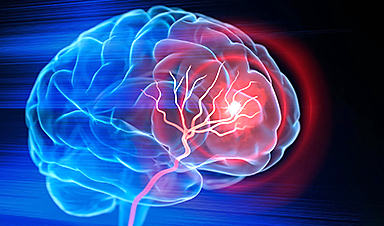
New injectable treatment helps the brain rebuild after stroke
Biomedical engineers at Duke University have created an injectable biomaterial that may help the brain recover from damage left behind by an ischemic stroke. In experiments with mice, the material transformed the cavity created [...]
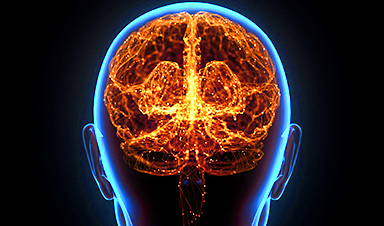
Scientists Discover a Hidden “Immune Organ” Inside the Skull
Researchers discovered lymph node-like immune hubs inside skull bone marrow that appear to act as rapid-response centers for the brain. For decades, the brain was thought to operate largely apart from the immune system. [...]
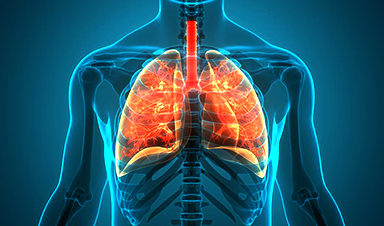
Engineered tRNAs and lipid nanoparticles target nonsense mutation cystic fibrosis
Researchers have developed a potential new approach for treating a form of cystic fibrosis caused by so-called nonsense mutations, combining chemically modified transfer RNAs with lipid nanoparticles designed to deliver the therapy directly to [...]
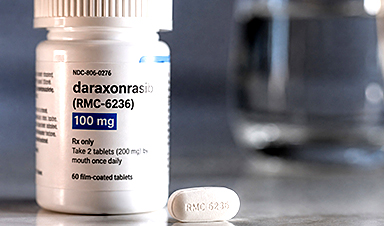
New pancreatic cancer drug carries a $39,800 monthly list price
A groundbreaking treatment for one of the most common forms of pancreatic cancer has been approved in pill form by the FDA. Revolution Medicines’ oral tablet daraxonrasib, branded as Rasonque, reduced the risk of [...]
Researchers Have Discovered a New Way To Reduce Chronic Nerve Pain
A cancer-linked protein called BRAF may help drive chronic nerve pain, and existing cancer drugs targeting it reduced pain sensitivity in preclinical models. Chronic nerve pain can persist long after an injury and often [...]

Our books now available worldwide!
Online Sellers other than Amazon, Routledge, and IOPP Indigo Global Health Care Equivalency in the Age of Nanotechnology, Nanomedicine and Artifcial Intelligence Global Health Care Equivalency In The Age Of Nanotechnology, Nanomedicine And Artificial [...]

Quantum-Enabled Regenerative Health: Reimagining Wellness, Precision Health and Longevity Medicine
Introduction Healthcare is approaching a frontier where the quantum portfolio could influence not only how disease is diagnosed and treated, but how health itself is measured, modeled, predicted and preserved. Quantum computing, quantum simulation, [...]

FDA Clears First-of-Its-Kind Nonmedication Treatment for PTSD
The FDA has cleared a system that uses brain activity data to personalize magnetic stimulation for PTSD, adding a new nonmedication treatment option. Every day in the United States, approximately 17.5 veterans die by suicide, [...]
FDA approves breakthrough drug to treat advanced pancreatic cancer
The Food and Drug Administration (FDA) approved on Wednesday a drug that could extend the survival of those with metastatic pancreatic cancer. The drug, called daraxonrasib, will be sold under the brand name Rasonque [...]
AI Decodes a Hidden DNA Signal Linked to Disease-Causing Mutations
Machine learning identifies the likely “initiator” and enables new predictions about DNA mutations that can cause disease. Every human cell depends on tens of thousands of genes being switched on at the right time [...]

Pope Leo Urges Global Response to Congo’s Deadliest Ebola Outbreak
Pope Leo called for international action to address the Ebola outbreak in the Democratic Republic of Congo. The epidemic has claimed over 2,500 lives and is the nation's largest recorded outbreak. The Pope emphasized [...]

Is there a summer COVID-19 surge this year? Yep, it’s ramping up again
Hantavirus. Ebola. West Nile. Measles. And, of course, cyclospora — that stomach parasite making people miserable across the country. Americans have plenty to worry about this summer. But remember COVID-19? It may not be [...]