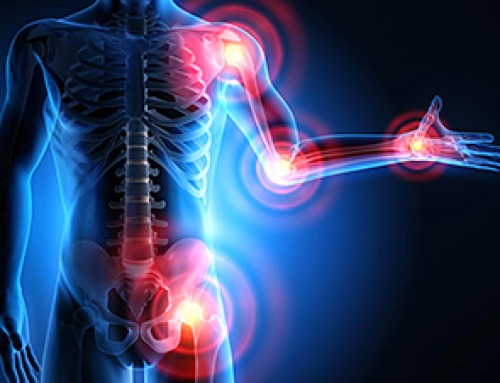
Younger generations may be aging biologically faster than those before them, and that shift could help explain rising rates of cancer at younger ages.
For decades, cancer was viewed largely as a disease of older age. Yet around the world, doctors are seeing a troubling shift: more cancers are being diagnosed in people in their 20s, 30s, 40s, and early 50s. Researchers have linked this rise to factors ranging from obesity and diet to environmental exposures, but no single explanation has fully accounted for the trend.
Now, a major new study suggests that a broader process may be unfolding beneath the surface. According to researchers at Washington University School of Medicine in St. Louis, younger generations appear to be aging biologically faster than previous generations. Their findings indicate that this accelerated aging may be increasing the risk of developing cancer decades earlier than expected.
The research adds to growing evidence that the body's biological age, not just the number of birthdays a person has celebrated, may play an important role in determining disease risk.
A Growing Gap Between Biological and Chronological Age
Scientists distinguish between chronological age, which is how long a person has been alive, and biological age, which reflects the condition of the body's tissues, organs, and systems. Two people of the same chronological age can have very different biological ages depending on genetics, lifestyle, environmental exposures, and other factors.
The new study found that people born more recently tend to show signs of being biologically older than previous generations at the same age. In other words, a 40-year-old today may have a biological profile that appears older than that of a 40-year-old from decades ago.
Researchers believe this widening gap could help explain why early-onset cancers, generally defined as cancers diagnosed before age 55, have become increasingly common.
Published June 22 in Nature Medicine, the study also found that faster biological aging was linked to a greater risk of developing several types of cancer, particularly lung, gastrointestinal, and uterine cancers.
"Our ultimate goal is to decode how modern environments become biologically embedded to drive cancer risk, transforming prevention from broad recommendations to personalized interventions," said Yin Cao, ScD, a molecular epidemiologist and associate professor of surgery and medicine at WashU Medicine. "This brings us closer to identifying risk earlier and developing prevention strategies that are tailored to an individual's biology."
For years, scientists have searched for specific causes behind the rise in cancer among younger adults. Obesity, poor diet, alcohol use, sedentary lifestyles, metabolic disorders, and other factors have all been implicated.
While each may contribute, their individual effects are often relatively small. Increasingly, researchers suspect that the combined impact of multiple exposures over time may be more important than any single risk factor.
That idea has led scientists to focus on biological aging itself. Rather than studying one exposure at a time, biological aging can capture the cumulative effects of many influences acting across a person's lifetime.
Accelerated biological aging has also been associated with heart disease, diabetes, cognitive decline, and other chronic conditions, suggesting it may serve as a broad indicator of long-term health.
Tracking Aging Across the Entire Body
To investigate the connection, Cao and colleagues analyzed health data from more than 154,000 participants in the UK Biobank and more than 10,000 people enrolled in the National Institutes of Health's (NIH) All of Us Research Program.
The researchers measured aging in two ways. First, they evaluated systemic aging, which reflects the body's overall biological condition. They also examined organ-specific aging to determine whether certain tissues or organ systems were aging faster than others.
The analysis relied on established biological age measurements, including PhenoAge, the Klemera-Doubal Method, and metabolomic age scores. These tools use blood markers and other biological data to estimate how old a person's body appears biologically.
For organ-specific aging, the researchers analyzed proteins circulating in the blood that are linked to different organ systems. This allowed them to estimate the biological age of tissues throughout the body without invasive procedures.
Younger Generations Show Clear Signs of Accelerated Aging
The results revealed a clear generational pattern.
In the United Kingdom, people born between 1965 and 1974 showed higher levels of systemic aging than those born between 1950 and 1954 when compared at the same chronological age.
The difference was even larger in the United States. Participants born between 1990 and 1999 displayed substantially higher levels of biological aging than those born between 1965 and 1969.
These findings align with other recent research suggesting that younger generations are experiencing higher rates of obesity, metabolic dysfunction, fatty liver disease, and other conditions traditionally associated with aging.
Although the study cannot determine exactly why this is happening, researchers suspect that changes in diet, physical activity, sleep patterns, environmental exposures, stress, and other aspects of modern life may all contribute.
Faster Aging Was Linked to Higher Cancer Risk
The study found that greater systemic aging was associated with an 8% increase in the risk of early-onset solid cancers.
Participants with the highest levels of biological aging faced a 15% greater risk of developing early-onset solid cancers than those with the lowest levels.
Importantly, these associations remained even after researchers accounted for inherited genetic cancer risk and genetic factors related to accelerated aging.
The findings suggest that biological aging may provide information about cancer risk that cannot be explained by genetics alone.
Some Organs May Matter More Than Others
The study also uncovered intriguing links between specific organ systems and certain cancers.
People whose immune systems appeared biologically older than expected were more likely to develop early-onset lung cancer. Meanwhile, accelerated aging in adipose (fat) tissue was associated with a higher risk of early-onset colorectal cancer.
"If we can identify younger people with the highest cancer risk when they are still healthy, we can focus on prevention and early-detection strategies for the individuals who will benefit most from early interventions," Cao said.
A New Way to Think About Cancer Prevention
The findings do not mean that accelerated aging directly causes cancer, nor do they prove why younger generations appear to be aging faster. However, they point toward a promising new framework for understanding one of the most puzzling trends in modern medicine.
Instead of focusing solely on individual risk factors, researchers may be able to monitor how the body responds to those factors collectively through biological aging measures.
In the future, blood tests that estimate biological age could potentially help identify people whose cancer risk is rising long before symptoms appear. Such tools might allow doctors to recommend earlier screenings, lifestyle interventions, or other preventive measures tailored to an individual's biology.
"Right now, we don't have a definitive answer to what's driving the rise of early-onset cancers around the world, but studies like this are helping us piece together the bigger picture, showing that cancer may be influenced not just by changes inside individual cells, but by wider changes happening across the body as a whole," said David Scott, PhD, director of Cancer Grand Challenges.
Reference: "Biological aging and generational shifts in early-onset cancer risk" by Ruiyi Tian, Xiaoyu Zong, Duo Ren, Stefani Tica, Daniel Hong, Oluseye Oduyale, Jason D. Buenrostro, Ramaswamy Govindan and Yin Cao, 22 June 2026, Nature Medicine.
DOI: 10.1038/s41591-026-04448-w
This work was part of the PROSPECT team supported by the Cancer Grand Challenges initiative funded by Cancer Research UK, grant numbers CGCATF-2023/100043 and CGCATF-2023/100037; the National Cancer Institute of the NIH, grant numbers OT2CA297577 and OT2CA297576; the French National Cancer Institute; and the Bowelbabe Fund for Cancer Research UK. The project was also supported by grants from NIH/National Cancer Institute, grant number R37CA246175; the NIH/National Institute of Diabetes and Digestive and Kidney Diseases, grant number P30DK052574; the Alvin J. Siteman Cancer Center through the Foundation for Barnes-Jewish Hospital. Further support was provided by a pre-doctoral fellowship in the Cancer Biology pathway supported by NIH Molecular Oncology Training Grant T32CA113275 to Washington University School of Medicine in St. Louis; the Pediatric Gastroenterology Research Training Program grant T32DK077653 to Washington University School of Medicine in St. Louis; the Washington University School of Medicine in St. Louis Institute of Clinical and Translational Sciences, grant number UL1TR002345; and the Foundation for Barnes-Jewish Hospital.

News – Curated by Amanda Scott, Alias Group Creative
Follow her on Bluesky
New Treatment Cuts “Bad” Cholesterol in Half for a Full Year
A single infusion of an experimental CRISPR-Cas9 therapy was reported to safely lower LDL cholesterol by 52.5% and triglycerides by 47.8%, as measured 12 months after treatment. What if one infusion could keep cholesterol [...]
Too Much RNA Can Drain a Cell’s Energy, Scientists Discover
A virus may cripple a cell’s power supply simply by producing too much of a molecule the cell needs to survive. New research from the Texas A&M College of Veterinary Medicine and Biomedical Sciences [...]
West African scientists warn of weakening health systems and urge stronger outbreak detection
LOME, Togo (AP) — West African laboratory scientists called on governments Friday to strengthen capacity to detect disease outbreaks to avoid another major outbreak, saying health systems across the region are becoming weaker. Participants [...]

A Little-Known Protein Could Point to a New Way To Treat Alzheimer’s
A study suggests that increasing SORLA protein levels could help treat Alzheimer’s disease and other disorders involving tau protein. Increasing SORLA, a protein with a protective role in the brain, helped mice withstand damage [...]
Cancer’s Hidden Antioxidant Shield Helps It Escape the Immune System
Blocking an antioxidant protein that tumors use to suppress immune attacks improved cancer immunotherapy responses in mice. Cancer cells can release antioxidants that interfere with the immune cells trying to kill them. Researchers have [...]

Scientists Find a Berry Compound That Helps Muscle Cells Burn Fat
Pterostilbene, a compound found naturally in some foods, affects how skeletal muscles process fats by stabilizing a protein called PPARδ and increasing its signaling activity. Pterostilbene, a natural compound found in blueberries, grapes, and [...]
Two Hidden Forces Help Build the Human Brain Before Birth
Scientists have uncovered two surprising forces that help guide how the human brain forms before birth. Before birth, the human brain is shaped in large part by an unusual class of stem cells known [...]
Researchers Uncover a Hidden Trigger Behind Chronic Inflammation
The findings offer new insights that could help guide the development of future therapies. A protein called human resistin may help flip on one of the immune system’s most powerful inflammatory switches. Researchers at [...]
Scientists Have Uncovered Previously Hidden Microbial Activity on Human Skin
The most abundant microbes on your skin may not be the ones doing most of the work. Human skin supports vast communities of bacteria, fungi, and viruses that can influence its protective barrier, immune [...]
Brazilian Tree Compounds Fight COVID-19 on Multiple Fronts
Scientists found compounds in a Brazilian tree that hit SARS-CoV-2 on multiple fronts, revealing a promising new lead in the search for COVID-19 treatments. Researchers have found that galloylquinic acids extracted from the leaves [...]
Cutting Two Amino Acids Slowed Prostate Cancer in Mice
A newly identified link between amino acid metabolism and cholesterol production may help prostate tumors adapt to hormone therapy. Prostate cancer can find ways around treatments designed to deprive tumors of the hormones they [...]

Largest-Ever Physics Survey Raises New Doubts About Our Model of the Universe
Physicists around the world remain deeply divided on key mysteries of the universe, from dark matter to quantum gravity. The standard cosmological model failed to gain majority support, and no leading theory dominated the [...]
Scientists Just Overturned a 100-Year-Old Belief About Bacteria in the Lungs
New findings raise questions about the role of microbes living in the lungs. More than 35 trillion bacteria live throughout the human body, forming microbiomes in the gut, mouth, lungs, skin, and urogenital tract. [...]

GHCE Concept
From the preface of the book Global Health Care Equivalency in the Age of Nanotechnology, Nanomedicine and Artificial Intelligence, Edited by Frank Boehm: Since the publication of my first book (Nanomedical Device and Systems [...]
Novartis, Ionis drug failure spurs questions
Pelacarsen didn’t protect heart health despite lowering levels of a protein particle, “Lp(a),” in a large clinical trial — a result with important implications for cardiovascular drug research. Dive Brief: An RNA drug from [...]
New injectable treatment helps the brain rebuild after stroke
Biomedical engineers at Duke University have created an injectable biomaterial that may help the brain recover from damage left behind by an ischemic stroke. In experiments with mice, the material transformed the cavity created [...]