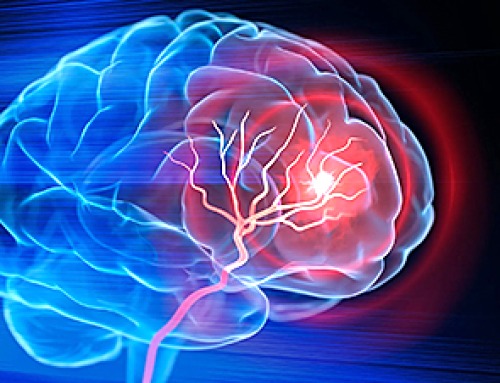
Yale scientists traced gamma brain waves to thalamus-cortex interactions. The discovery could reveal how brain rhythms shape perception and disease.
For more than a century, scientists have observed rhythmic waves of synchronized neuronal activity in the brain. Now, for the first time, researchers at Yale University have pinpointed where a specific type of this activity—known as gamma waves—originates and have linked it directly to behavior.
Through the development of a highly precise new method for measuring brain activity, the team overcame long-standing technical barriers that had prevented a clear understanding of how these oscillations contribute to information processing and behavioral control.
The findings were recently published in the journal Nature.
Following an unexpected discovery
Jessica Cardin, PhD, the Gordon M. Shepherd Professor of Neuroscience at Yale School of Medicine and senior author of the study, did not initially plan to revisit this topic. As a postdoctoral researcher, she had previously shown that gamma waves could be artificially induced in the brain, but she considered the "perfect experiment" to test their function nearly impossible.
In neuroscience, determining the role of an element such as a gene, protein, or neural rhythm typically involves disrupting it to observe the consequences. However, that approach does not work for brain oscillations.

That changed when one of her postdoctoral fellows, Quentin Perrenoud, PhD—the study's first author—presented intriguing data he had gathered while tracking how information moved through the brain during a behavioral task. The results suggested that gamma waves might be predicting behavior. Encouraged by the evidence, the team pursued the lead, ultimately uncovering findings that challenge long-held assumptions about how these brain rhythms arise.
"It's not quite a perfect experiment, but it's a lot closer to a perfect experiment than we've ever been able to get," says Cardin.
Gamma activity emerges from interactions between the thalamus and cortex
To carry out the study, the research team created a new, highly detailed method to measure gamma waves. These brain oscillations were once believed to be continuous, resembling the smooth, unbroken rise and fall of a sound wave. However, more recent evidence suggests that gamma activity does not occur in a steady flow but instead appears in short, intermittent bursts.
Building on this concept, the researchers recorded neuronal activity at 16 distinct locations within the visual cortex—the region of the brain responsible for processing visual information. This allowed them to capture both the spatial and temporal dynamics of gamma activity with greater precision. They then separated the recordings into individual gamma events, each representing a single peak-to-trough-to-peak cycle of a wave.
If gamma activity truly behaved like a continuous oscillation, combining all these discrete events would produce a seamless wave pattern moving across the recorded brain regions.
"But it turned out that these events can happen together, or in little bursts, or all by themselves," says Cardin. "They're not happening in a long sequence."
This approach, which the researchers have named CBASS (Clustering Band-limited Activity by State and Spectrotemporal feature), offers a much greater level of sensitivity than other techniques for studying gamma activity.
"It allows us to get very fine timing and to clearly identify these short events, which means we can map them with great precision during interesting moments, like when an animal is making a decision," says Cardin. "That means we can map the events in the brain to the behavior of the animal with more precision than we've ever had before."
When it comes to where gamma activity arises, there have been two schools of thought. A lot of the available evidence has supported the idea that gamma activity is generated in the cortex. But some research has suggested the cortex inherits the activity from elsewhere in the brain—for example, from the thalamus, which sends a lot of sensory and motor information to the cortex.
"With this new method, our data suggest both are wrong, and that this activity arises due to an interaction between the thalamus and the cortex. Gamma arises dynamically as the thalamus sends input to the cortex, where it's then amplified," says Cardin.
Disrupting signals from the thalamus affects behavior
The precision of CBASS also gives the researchers that much-sought-after ability to break the system, to disrupt these patterns of activity in a way that doesn't affect the entire brain.
To do that, the researchers first trained mice on a visual task wherein the mice received a reward if they licked a waterspout only when a certain visual stimulus was shown. Then, the researchers disrupted the signals that the thalamus sent to the cortex, which, in turn, disrupted the gamma activity in the cortex.
This gamma disruption caused the mice to perform much worse on the visual task. So then the researchers took the opposite approach and artificially initiated gamma activity.
"We recorded gamma activity from mice who were detecting the visual stimulus and then played it back into the brain of other mice. And when we did that, it tricked the mice into thinking they had detected a stimulus," says Cardin.
Together, the findings indicate that gamma activity in the cortex supports the integration of visual information and is involved in the behavioral responses that emerge from that integration. And this is important information to have, as studies have shown that this type of activity is altered in people with neurodevelopmental disorders, schizophrenia, and bipolar disorder, as well as neurodegenerative diseases.
Future directions: linking gamma activity to disease and cognition
Cardin's lab is now looking into whether gamma activity in the cortex could be used as an early biomarker for conditions like Alzheimer's disease. Acetylcholine and norepinephrine, key signaling molecules in the thalamus and cortex, are tightly linked to cognition and lost in neurodegenerative diseases. These neuromodulatory signals are known to regulate the pattern of brain activity.
"We're starting to look at how neuromodulatory signals are associated with these gamma events and we'll apply our tools to better understand the sequence of things that go wrong in neurodegeneration," says Cardin. "This could lead to an interpretable early biomarker for Alzheimer's disease that is easily accessible in humans."
Reference: "Flexible perceptual encoding by discrete gamma events" by Quentin Perrenoud, Antonio H. de O. Fonseca, Austin Airhart, James Bonanno, Rong Mao and Jessica A. Cardin, 8 October 2025, Nature.
DOI: 10.1038/s41586-025-09604-9
The researched reported in this news article was supported by the National Institutes of Health (awards EY022951, EY035127, MH113852, and EY026878) and Yale University. The content is solely the responsibility of the authors and does not necessarily represent the official views of the National Institutes of Health. Additional support was provided by the McKnight Foundation, the Kavli Institute of Neuroscience, and the Brain and Behavior Research Foundation.

News
Brazilian Tree Compounds Fight COVID-19 on Multiple Fronts
Scientists found compounds in a Brazilian tree that hit SARS-CoV-2 on multiple fronts, revealing a promising new lead in the search for COVID-19 treatments. Researchers have found that galloylquinic acids extracted from the leaves [...]
Cutting Two Amino Acids Slowed Prostate Cancer in Mice
A newly identified link between amino acid metabolism and cholesterol production may help prostate tumors adapt to hormone therapy. Prostate cancer can find ways around treatments designed to deprive tumors of the hormones they [...]
Largest-Ever Physics Survey Raises New Doubts About Our Model of the Universe
Physicists around the world remain deeply divided on key mysteries of the universe, from dark matter to quantum gravity. The standard cosmological model failed to gain majority support, and no leading theory dominated the [...]

Scientists Just Overturned a 100-Year-Old Belief About Bacteria in the Lungs
New findings raise questions about the role of microbes living in the lungs. More than 35 trillion bacteria live throughout the human body, forming microbiomes in the gut, mouth, lungs, skin, and urogenital tract. [...]

GHCE Concept
From the preface of the book Global Health Care Equivalency in the Age of Nanotechnology, Nanomedicine and Artificial Intelligence, Edited by Frank Boehm: Since the publication of my first book (Nanomedical Device and Systems [...]

Novartis, Ionis drug failure spurs questions
Pelacarsen didn’t protect heart health despite lowering levels of a protein particle, “Lp(a),” in a large clinical trial — a result with important implications for cardiovascular drug research. Dive Brief: An RNA drug from [...]
New injectable treatment helps the brain rebuild after stroke
Biomedical engineers at Duke University have created an injectable biomaterial that may help the brain recover from damage left behind by an ischemic stroke. In experiments with mice, the material transformed the cavity created [...]
Scientists Discover a Hidden “Immune Organ” Inside the Skull
Researchers discovered lymph node-like immune hubs inside skull bone marrow that appear to act as rapid-response centers for the brain. For decades, the brain was thought to operate largely apart from the immune system. [...]

Engineered tRNAs and lipid nanoparticles target nonsense mutation cystic fibrosis
Researchers have developed a potential new approach for treating a form of cystic fibrosis caused by so-called nonsense mutations, combining chemically modified transfer RNAs with lipid nanoparticles designed to deliver the therapy directly to [...]

New pancreatic cancer drug carries a $39,800 monthly list price
A groundbreaking treatment for one of the most common forms of pancreatic cancer has been approved in pill form by the FDA. Revolution Medicines’ oral tablet daraxonrasib, branded as Rasonque, reduced the risk of [...]
Researchers Have Discovered a New Way To Reduce Chronic Nerve Pain
A cancer-linked protein called BRAF may help drive chronic nerve pain, and existing cancer drugs targeting it reduced pain sensitivity in preclinical models. Chronic nerve pain can persist long after an injury and often [...]

Our books now available worldwide!
Online Sellers other than Amazon, Routledge, and IOPP Indigo Global Health Care Equivalency in the Age of Nanotechnology, Nanomedicine and Artifcial Intelligence Global Health Care Equivalency In The Age Of Nanotechnology, Nanomedicine And Artificial [...]

Quantum-Enabled Regenerative Health: Reimagining Wellness, Precision Health and Longevity Medicine
Introduction Healthcare is approaching a frontier where the quantum portfolio could influence not only how disease is diagnosed and treated, but how health itself is measured, modeled, predicted and preserved. Quantum computing, quantum simulation, [...]

FDA Clears First-of-Its-Kind Nonmedication Treatment for PTSD
The FDA has cleared a system that uses brain activity data to personalize magnetic stimulation for PTSD, adding a new nonmedication treatment option. Every day in the United States, approximately 17.5 veterans die by suicide, [...]

FDA approves breakthrough drug to treat advanced pancreatic cancer
The Food and Drug Administration (FDA) approved on Wednesday a drug that could extend the survival of those with metastatic pancreatic cancer. The drug, called daraxonrasib, will be sold under the brand name Rasonque [...]

AI Decodes a Hidden DNA Signal Linked to Disease-Causing Mutations
Machine learning identifies the likely “initiator” and enables new predictions about DNA mutations that can cause disease. Every human cell depends on tens of thousands of genes being switched on at the right time [...]