In 2023, the 10 leading causes of death accounted for 33 million deaths, or 54% of the total 61 million deaths worldwide.
The top global causes of death, in order of total number of lives lost, are associated with two broad topics: cardiovascular (ischaemic heart disease, stroke) and respiratory (chronic obstructive pulmonary disease, lower respiratory infections), with COVID-19 dropping out of the 10 leading causes of deaths globally for the first time since the start of the COVID-19 pandemic in 2020.
Causes of death can be grouped into three categories: communicable (infectious and parasitic diseases and maternal, perinatal and nutritional conditions), noncommunicable (chronic) and injuries.
Leading causes of death globally

At a global level, 8 of the 10 leading causes of deaths in 2023 were noncommunicable diseases, accounting for 47% of all deaths, or 88% of the top 10 causes.
The world’s biggest killer is ischaemic heart disease, responsible for 16% of the world’s total deaths. Since 2000, the largest increase in deaths has been for this disease, rising by 3.0 million to 9.5 million deaths in 2023. Stroke and chronic obstructive pulmonary disease were the second and third leading causes of deaths in 2023, responsible for approximately 11% (6.8 million) and 6% (3.6 million) of total deaths, respectively.
Lower respiratory infections reclaimed the position as the world’s most deadly communicable disease and ranked as the fourth leading cause of death in 2023. The number of deaths from lower respiratory infections has gone up since 2022 as the competing risk from COVID-19 was partly contained. In 2023 it claimed 2.7 million lives, returning back up to its 2019 pre-pandemic level.
Deaths from other noncommunicable diseases were also on the rise. In 2023, Alzheimer’s disease and other forms of dementia ranked as the fifth leading cause of death, killing 2.1 million people. Women are disproportionately affected. Globally, 66% of deaths from Alzheimer disease and other forms of dementia are women.
Diabetes was also among the 10 leading causes of death (ranked sixth), claiming 2.0 million lives, more than double the deaths in 2000.
Trachea, bronchus and lung cancers deaths have risen from 1.1 million in 2000 to 1.8 million in 2023 and are now ranked seventh among leading causes of death.
Diseases which were among the top 10 causes of death in 2000 that are no longer on the list include HIV and AIDS. Deaths from HIV and AIDS have fallen by 62%, moving from the world’s seventh leading cause of death in 2000 to the twenty-second in 2023. Similarly, deaths due to preterm birth complications have dropped by 30%, from eighth leading cause of death in 2000 to sixteenth in 2021.
In contrast, kidney diseases have risen from the world’s seventeenth leading cause of death to the ninth, with number of deaths increasing by 86% between 2000 and 2023.
COVID-19 was directly responsible for an estimated 5.3 million and 9.4 million deaths, ranking as the third and first leading cause of death worldwide in 2020 and 2021, respectively, as the pandemic reached its peak impact. A declining trend was observed in 2022 and 2023, with the number of deaths directly attributable to COVID-19 falling to 0.9 million globally, making it the fourteenth leading cause of death.
Leading causes of death by income group
The World Bank classifies the world’s economies into four income groups (1) based on gross national income: low, lower-middle, upper-middle and high.
Leading causes of death in 2023 in low-income countries

People living in a low-income country are far more likely to die of a communicable disease than a noncommunicable disease. Despite the global decline, 7 of the top 10 causes of death in 2023 in low-income countries were communicable diseases.
Malaria, tuberculosis and HIV and AIDS all remain in the top 10. However, they all fell significantly. The biggest decrease among the top 10 deaths in this group has been for HIV and AIDS, with 62% fewer deaths in 2023 than in 2000.
Diarrhoeal diseases remain a significant cause of death in low-income countries. They ranked as the fifth leading cause of death in this income category in 2023, down from first place in 2000. Still deaths from diarrhoeal diseases have declined substantially, recording one of the largest decreases among the top 10 leading causes of death in low-income countries, with fatalities falling by roughly half between 2000 and 2023. Deaths attributable to chronic obstructive pulmonary disease are comparatively less prevalent in low-income countries than in other income groups. In 2023, chronic obstructive pulmonary disease did not rank among the top 10 causes of death in low-income countries, whereas it ranked within the top 10 in all other income groups. In contrast, lower respiratory infections have remained the leading cause of death in low-income countries since around 2010, except in 2021, when they were surpassed by COVID-19 and ranked as the second leading cause of death. Limited progress has been observed in reducing mortality from this disease, with annual deaths exceeding 350 000 throughout 2000–2023 and showing no notable downward trend.
Leading causes of death in 2023 in lower-middle-income countries

Lower-middle-income countries have a relatively balanced composition of the 10 leading causes of death, among which five were noncommunicable diseases, four were communicable, maternal, neonatal and nutritional conditions, and the remaining one was injury (road injury) in 2023. Deaths from ischaemic heart disease, stroke and chronic obstructive pulmonary disease all roughly doubled between 2000 and 2023, and moved from the fourth, fifth and seventh, respectively, to the top three.
Diabetes is another rising cause of death in this income group: between 2000 and 2023, it has moved from the fifteenth to fifth leading cause of death and the number of deaths from this disease has more than tripled since 2000.
As top 10 causes of death in this income group, tuberculosis and diarrhoeal diseases remain significant challenges. However, these categories of disease saw substantial decreases in absolute deaths; both more than halved between 2000 and 2023. HIV and AIDS have seen the biggest decrease in rank among the previous top 10 causes of death in 2000, moving from sixth to twentieth, with deaths falling by about 70%.
Leading causes of death in 2023 in upper-middle-income countries

In upper-middle-income countries, there has been a notable rise in deaths from lung cancer, which have more than doubled between 2000 and 2023, with 520 000 extra deaths; more than three times the increase in deaths of all three other income groups combined. Alzheimer disease and other dementias also moved up from the sixteenth leading cause of death in 2000 to the fifth in 2023, with deaths from the diseases more than tripled.
Deaths from ischaemic heart disease have increased by nearly 1.8 million, the largest rise in any income group in terms of absolute number of deaths from this cause, and moved from second place in 2000 to first place in 2023.
Eight of the ten leading causes of death in 2023 were NCDs in upper-middle-income countries, with the only two communicable diseases being lower respiratory infections (sixth) and COVID-19 (tenth). This income group is the only one where COVID-19 still ranked among the 10 leading causes of deaths in 2023, although the deaths directly caused by this disease have fallen by 85% from its peak in 2021.
Leading causes of death in 2023 in high-income countries

In high-income countries, deaths are increasing for the majority of the 10 leading diseases in 2000, primarily due to population ageing. Exceptionally, ischaemic heart disease, stroke and stomach cancer are among the causes of death in the top 10 for which the total numbers have gone down between 2000 and 2023 – by 18%, 26% and 27%, respectively. High-income is the only category of income group in which there have been decreasing numbers of deaths from these three diseases. Nonetheless, ischaemic heart disease and stroke have remained in the top three causes of death for this income category throughout the period, with a combined total of 3.4 million fatalities in 2023. In addition, deaths from hypertensive heart disease are rising. Reflecting a global trend, this disease has more than doubled and risen from the fifteenth leading cause of death in 2000 to the eighth in 2023.
Deaths due to Alzheimer disease and other dementias have also increased dramatically, nearly quadrupling since 2000. In 2023, these conditions became the third leading cause of death in high-income countries, up from seventh in 2000. This surpassed lung cancer, which had been the third leading cause of death in 2000 but fell to fourth place in 2023.
In high-income countries, nine of the ten leading causes of death in 2023 were NCDs. Only one other communicable disease (lower respiratory infections, ranking the sixth) appears in the top 10 causes of death.
Why do we need to know the reasons people die?
Understanding why people die is essential to improving how people live. Knowing how many people die each year, and from which causes, is not simply about documenting deaths. It is about understanding health risks, identifying preventable causes of death and disability, evaluating what works, and making better-informed decisions. Mortality data can also guide decision-makers in identifying health priorities and directing resources to the areas where they are needed most. For example, reliable information on deaths and their causes can help shape policies and resource allocation not only in the health sector, but also in other areas such as transportation, food and agriculture, and environmental protection. Despite its importance, the collection of accurate and comprehensive mortality data remains a major challenge, particularly in many low-income countries. Data collection systems are often fragmented, incomplete or inconsistent, meaning that policy-makers may still lack reliable information on how many people die, when they die and what causes their deaths. Without this information, it is difficult to identify the populations and communities most at risk, monitor health trends, evaluate interventions and develop effective policies.
The World Health Organization develops standards and best practices for data collection, processing and synthesis through the consolidated and improved International Classification of Diseases (ICD-11). This digital platform facilitates reporting of timely and accurate data for causes of death for countries to routinely generate and use health information that conforms to international standards.
The routine collection and analysis of high-quality data on deaths and causes of death are therefore essential for strengthening health systems and improving population health. When these data are disaggregated by factors such as age, sex and geographic location, they can reveal important inequalities and help identify where interventions are most urgently needed. Similarly, reliable information on disability provides a more complete picture of the health of populations, beyond mortality alone.
Editor’s note
WHO’s Global Health Estimates, from which the information in this fact sheet is extracted, present comprehensive and comparable health-related data, including life expectancy, healthy life expectancy, mortality and morbidity, and burden of diseases at global, regional and country levels disaggregated by age, sex and cause. The estimates released in 2026 report on trends for more than 160 diseases and injuries annually from 2000 to 2023.

News – Curated by Amanda Scott, Alias Group Creative
Follow her on Bluesky

A sceptical guide to AI agents in drug discovery
In conversation with Dr Eric Ma, Senior Principal Data Scientist at Moderna, Dr Raminderpal Singh examines what AI agents are actually good for, where the lock-in hides and why expertise has become more valuable [...]
Study identifies new targets for antiviral drugs against coronaviruses
A study led by researchers at the University of California San Diego School of Medicine and University of California, Riverside (UCR) School of Medicine has identified new targets for antiviral drugs against coronaviruses, including [...]

“Nearly Everybody Had Given Up” – Scientists Finally Solve a 60-Year Chemistry Mystery
After more than six decades of failed attempts, chemists have achieved a breakthrough involving a class of molecules long considered too unstable to isolate. Chemists have succeeded in isolating a group of molecules that [...]

Depression Symptoms Improved in Just 48 Hours After a Single Psychedelic Dose
A single dose of psilocybin produced rapid antidepressant effects in a small Swedish clinical trial, with improvements lasting for weeks. A single dose of psilocybin, the psychedelic compound found in magic mushrooms, produced rapid [...]

GHCE Concept
From the preface of the book Global Health Care Equivalency in the Age of Nanotechnology, Nanomedicine and Artificial Intelligence, Edited by Frank Boehm: Since the publication of my first book (Nanomedical Device and Systems [...]

Human Bodies Are Producing Two Billion Tons of CO2 a Year
A new study reveals that the amount of carbon dioxide produced by human metabolism has increased dramatically over three decades. The carbon dioxide produced by human bodies as they convert food into energy increased [...]
A Hidden DNA Mechanism Could Explain How 20% of Human Cancers Develop
Researchers have identified an unexpected molecular vulnerability in cancers carrying BAF mutations. Mutations found in roughly 20% of human cancers may promote tumor growth by changing how DNA is organized inside cells. Researchers have [...]

Ebola kills over 5,300 in fastest-growing outbreak on record
Africa’s latest Ebola outbreak has killed nearly 5,400 people, the vast majority of them in the Democratic Republic of Congo (DRC), according to the continent’s top health agency. Africa Centres for Disease Control and [...]

China makes early progress in using sound waves to stimulate damaged brains
Chinese researchers are testing whether focused ultrasound can help restore consciousness in patients with severe brain injuries, adding to a growing international effort to use sound waves to stimulate deep brain structures without surgery. [...]

Micro-drones fly through the body thanks to ultrasound
At the EPFL, micro-drones have been developed that can be moved without a motor or battery.No motors, no batteries, no electronics on board, just small cavities that convert sound waves into thrust: this is [...]
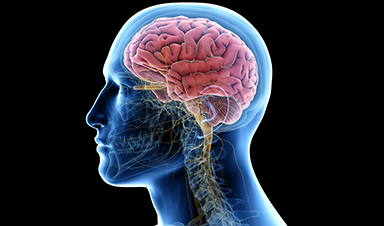
A Single Enzyme Could Hold the Key to Treating a Devastating Brain Disorder
Blocking an enzyme’s production restored brain growth and healthy behaviors in mice engineered to develop Angelman syndrome, pointing to a possible treatment target. Children with Angelman syndrome begin to show difficulties with thinking and [...]

Scientists Develop a Clever New Way To Kill Cancer Cells From the Inside
Scientists have developed an experimental strategy that exploits a chemical byproduct of cancer cells to produce anticancer drugs directly inside them. Scientists in Japan have developed an experimental method that uses a chemical produced [...]

Our books are available worldwide!
Online Sellers other than Amazon, Routledge, and IOPP Indigo Global Health Care Equivalency in the Age of Nanotechnology, Nanomedicine and Artifcial Intelligence Global Health Care Equivalency In The Age Of Nanotechnology, Nanomedicine And Artificial [...]

After only a short training, people in a coma managed to send targeted signals
Researchers have succeeded in communicating with brain-injured patients who are unconscious. They see enormous potential in this for future treatments. Patients who lie motionless in bed after a severe brain injury and do not [...]
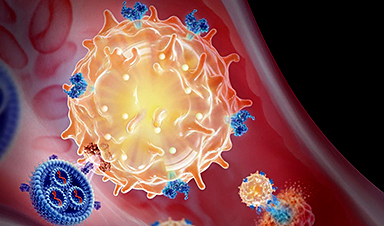
MIT Scientists Reprogram Immune Cells Inside the Body To Destroy Cancer
Natural killer cells reprogrammed inside mice eliminated lymphoma tumors and helped damaged livers heal, though whether this approach could help people with cancer or autoimmune disease remains unknown. To make a cancer treatment from [...]

Melanoma mRNA Vaccine Shows Promise in Preventing Disease Recurrence
Key takeaways: Phase 3 trial finds personalized intismeran plus pembrolizumab may better prevent high-risk melanoma recurrence after surgery The trial enrolled 1,137 patients and builds on phase 2 results showing about half the recurrence [...]
[/fusion_text][/fusion_builder_column][/fusion_builder_row][/fusion_builder_container]