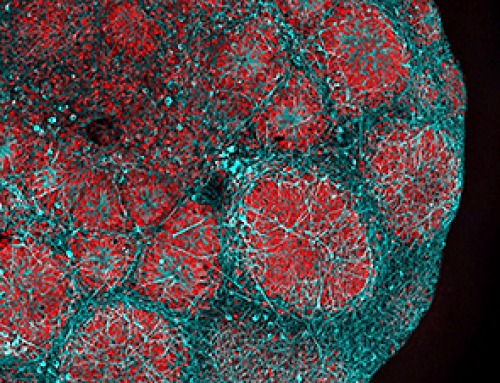
A new nasal spray vaccine could stop bird flu at the door — blocking infection, reducing spread, and helping head off the next pandemic.
Since first appearing in the United States in 2014, H5N1 avian influenza, widely known as bird flu, has steadily expanded its reach. The virus has spread from wild birds into farm animals and, more recently, to humans. Since 2022, more than 70 people in the U.S. have been infected, including two deaths. Because the virus continues to circulate widely among animals, scientists warn that it has ongoing opportunities to adapt in ways that could allow it to spread more easily between people, raising fears of a future pandemic.
A Nasal Vaccine Designed to Stop Infection Early
To reduce that risk, researchers at Washington University School of Medicine in St. Louis developed a nasal spray vaccine aimed at stopping the virus at its point of entry. When tested in hamsters and mice, the vaccine triggered strong immune responses and successfully prevented infection after exposure to H5N1.
One major concern with bird flu vaccines is that immunity from previous seasonal flu infections or vaccinations could weaken their effectiveness. The research team addressed this issue directly and found that their nasal vaccine remained highly protective even in animals with prior flu immunity.
The findings were published today (January 30) in Cell Reports Medicine.
"This particular version of bird flu has been around for some time, but the unique and totally unexpected event where it jumped across species into dairy cows in the United States was a clear sign that we should prepare for the event that a pandemic may occur," said Jacco Boon, PhD, a professor in the WashU Medicine John T. Milliken Department of Medicine and co-senior author of the study. "Our vaccine to the nose and upper airway — not the shot-in-the-arm vaccine people are used to — can protect against upper respiratory infection as well as severe disease. This could provide better protection against transmission because it protects against infection in the first place."
Building a Better Bird Flu Vaccine
While a bird flu vaccine already exists, it was designed using older strains of the virus, may not work well against current variants, and is not widely available. To develop a more effective option, Boon and his colleagues built on nasal vaccine technology previously created at WashU Medicine by co-authors Michael S. Diamond, MD, PhD, the Herbert S. Gasser Professor of Medicine, and David T. Curiel, MD, PhD, a professor of radiation oncology. A COVID-19 vaccine based on this same platform has been in use in India since 2022 and received approval for clinical testing in the U.S. last year.
Effective vaccines depend on the immune system's ability to recognize a virus quickly and accurately. For the H5N1 vaccine, Boon and co-author Eva-Maria Strauch, PhD, an associate professor of medicine specializing in antivirals and protein design, selected proteins from strains of bird flu that have infected humans. Using shared features from these viral proteins, they engineered an optimized antigen, the part of the virus that triggers an immune response. This antigen was then placed into a harmless, non-replicating adenovirus, which serves as the delivery vehicle for the vaccine. The overall design closely resembles the team's COVID-19 nasal vaccine approach.
Strong Protection in Animal Tests
In laboratory testing, the nasal vaccine provided near-complete protection against H5N1 infection in both hamsters and mice. As expected, standard seasonal flu vaccines offered little defense against bird flu. The nasal spray consistently outperformed the same vaccine formula given as a traditional injection. Researchers also observed strong protection even when animals received a low vaccine dose and were exposed to high levels of the virus.
Delivering the vaccine through the nose produced broad immune responses throughout the body, with especially strong activity in the nasal passages and respiratory tract. According to Boon, this method offers a major advantage over intramuscular shots by providing better protection in the nose and lungs, which likely reduces both severe illness and the risk of transmission.
"We've shown that this nasal vaccine delivery platform we conceived, designed and conducted initial testing on at WashU Medicine can prevent H5N1 infection from taking hold in the nose and lungs," said Diamond, the study's co-senior author. "Delivering vaccine directly to the upper airway where you most need protection from respiratory infection could disrupt the cycle of infection and transmission. That's crucial to slowing the spread of infection for H5N1 as well as other flu strains and respiratory infections."
Works Even With Prior Flu Immunity
The researchers also tested whether immunity from previous flu vaccinations or infections would interfere with the new vaccine's performance. Their results showed that the nasal vaccine remained highly effective even in the presence of existing flu immunity. This is an important finding, since most people, aside from very young children, already have immune memory from past influenza exposure.
Next, the team plans to conduct additional animal studies and experiments using organoids that mimic human immune tissue. They also aim to refine future versions of the vaccine to further reduce any influence from past seasonal flu exposure while enhancing antiviral responses.
Reference: "An intranasal adenoviral-vectored vaccine protects against highly pathogenic avian influenza H5N1 in naïve and antigen-experienced animals" by Ying B, Pyles K, Darling TL, Seehra K, Pham T, Huang LC, Harastani HH, Sharma A, Desai P, Kashentseva EA, Curiel DT, Peters B, Case JB, Strauch EM, Diamond MS, Boon ACM, 30 January 2026, Cell Reports Medicine.
This study was supported by the Cooperative Center for Human Immunology (U19AI181103) and the Center for Research on Structural Biology of Infectious Diseases (75N93022C00035).
The Boon laboratory has received funding from Novavax Inc for the development of an influenza virus vaccine, as well as unrelated funding from AbbVie Inc. M.S.D. serves as a consultant for or sits on the Scientific Advisory Board of Inbios, IntegerBio, Akagera Medicines, GlaxoSmithKline, Merck, and Moderna. The Diamond laboratory has also received unrelated sponsored research funding from Moderna.

News
Ryugu asteroid samples contain all DNA and RNA building blocks, bolstering origin-of-life theories
All the essential ingredients to make the DNA and RNA underpinning life on Earth have been discovered in samples collected from the asteroid Ryugu, scientists said Monday. The discovery comes after these building blocks [...]

Is Berberine Really a “Natural Ozempic”?
Often labeled a “natural Ozempic,” berberine is widely discussed as a metabolic aid. Yet research suggests its influence may lie deeper. In recent years, berberine has gained significant attention as a supposed “natural way” [...]
Viagra Ingredient Shows Promise for Rare Childhood Brain Disease in Surprising Study
A rare childhood disease with no approved treatment may have an unexpected new therapeutic candidate. Sildenafil, the active ingredient also sold under the brand name Viagra, may help reduce symptoms in people with Leigh [...]

In a first for China, Neuracle’s implantable brain-computer interface wins approval
In a landmark development, Neuracle Medical Technology has secured the country’s first-ever approval for an implantable brain-computer interface (BCI) system designed to restore hand motor function in patients with spinal cord injuries, in a [...]
A Cambridge Lab Mistake Reveals a Powerful New Way to Modify Drug Molecules
A surprising lab discovery reveals a light-powered way to tweak complex drugs faster, cleaner, and later in development. Researchers at the University of Cambridge have created a new technique for altering complex drug molecules [...]
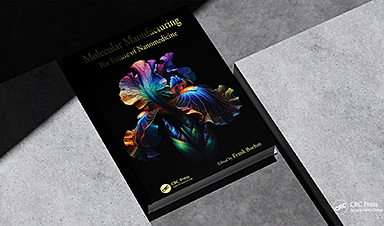
New book from NanoappsMedical Inc – Molecular Manufacturing: The Future of Nanomedicine
This book explores the revolutionary potential of atomically precise manufacturing technologies to transform global healthcare, as well as practically every other sector across society. This forward-thinking volume examines how envisaged Factory@Home systems might enable the cost-effective [...]

Scientists Discover Simple Saliva Test That Reveals Hidden Diabetes Risk
Researchers have identified a potential new way to assess metabolic health using saliva instead of blood. High insulin levels in the blood, known as hyperinsulinemia, can reveal metabolic problems long before obvious symptoms appear. It is [...]

One Nasal Spray Could Protect Against COVID, Flu, Pneumonia, and More
A single nasal spray vaccine may one day protect against viruses, pneumonia, and even allergies. For decades, scientists have dreamed of creating a universal vaccine capable of protecting against many different pathogens. The idea [...]
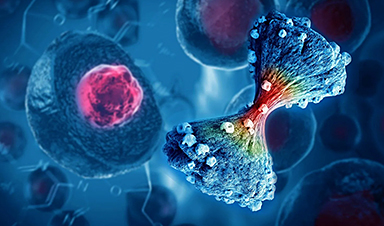
New AI Model Predicts Cancer Spread With Incredible Accuracy
Scientists have developed an AI system that analyzes complex gene-expression signatures to estimate the likelihood that a tumor will spread. Why do some tumors spread throughout the body while others remain confined to their [...]

Scientists Discover DNA “Flips” That Supercharge Evolution
In Lake Malawi, hundreds of species of cichlid fish have evolved with astonishing speed, offering scientists a rare opportunity to study how biodiversity arises. Researchers have identified segments of “flipped” DNA that may allow fish to adapt rapidly [...]

Our books now available worldwide!
Online Sellers other than Amazon, Routledge, and IOPP Indigo Global Health Care Equivalency in the Age of Nanotechnology, Nanomedicine and Artifcial Intelligence Global Health Care Equivalency In The Age Of Nanotechnology, Nanomedicine And Artificial [...]

Scientists Discover Why Some COVID Survivors Still Can’t Taste Food Years Later
A new study provides the first direct biological evidence explaining why some people continue to experience taste loss long after recovering from COVID-19. Researchers have uncovered specific biological changes in taste buds that could help [...]

Catching COVID significantly raises the risk of developing kidney disease, researchers find
Catching Covid significantly raises the risk of developing deadly kidney disease, research has shown. The virus was found to increase the chances that patients will develop the incurable condition by around 50 per cent. [...]
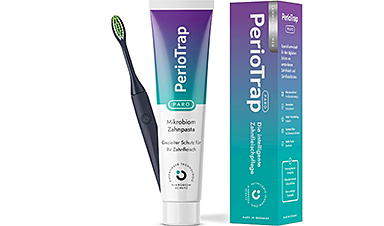
New Toothpaste Stops Gum Disease Without Harming Healthy Bacteria
Researchers have developed a targeted approach to combat periodontitis without disrupting the natural balance of the oral microbiome. The innovation could reshape how gum disease is treated while preserving beneficial bacteria. The human mouth [...]

Plastic Without End: Are We Polluting the Planet for Eternity?
The Kunming Montreal Global Biodiversity Framework calls for the elimination of plastic pollution by 2030. If that goal has been clearly set, why have meaningful measures that create real change still not been implemented? [...]
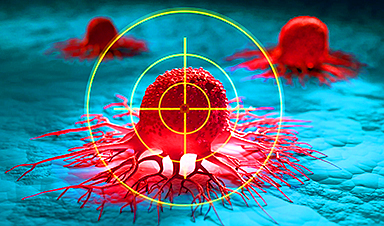
Scientists Rewire Natural Killer Cells To Attack Cancer Faster and Harder
Researchers tested new CAR designs in NK-92 cells and found the modified cells killed tumor cells more effectively, showing stronger anti-cancer activity. Researchers at the Ribeirão Preto Blood Center and the Center for Cell-Based [...]