Researchers have identified a potential new way to assess metabolic health using saliva instead of blood.
High insulin levels in the blood, known as hyperinsulinemia, can reveal metabolic problems long before obvious symptoms appear. It is already recognized as an important warning sign for future health issues, including Type 2 diabetes, obesity, and heart disease.
Now, researchers at UBC Okanagan say saliva may offer a much simpler way to spot that risk. Their study suggests that a saliva test can reflect insulin patterns linked to metabolic health, opening the door to a needle-free approach that could be easier to use in both research and routine screening.
Dr. Jonathan Little, a professor in UBC Okanagan's School of Health and Exercise Sciences, says the method could do more than replace a blood draw. It may also help identify early metabolic changes tied to obesity and related health risks, at a stage when blood sugar levels can still appear normal.
Published in Applied Physiology, Nutrition, and Metabolism, the study included 94 healthy participants across a range of body sizes. After fasting, each person drank a standardized meal replacement shake. Researchers then collected saliva samples and measured blood glucose with a finger-prick test.
"People living with obesity had much higher insulin levels in their saliva than those who were slightly overweight or had lower body weight—even though their blood sugar levels were the same," he says. "This suggests that saliva testing could be a simple, non-invasive way to identify people at risk of Type 2 diabetes before symptoms appear."
Detecting Diabetes Risk Years Earlier
Type 2 diabetes affects roughly 400 million people worldwide and is typically diagnosed when blood glucose levels become elevated. However, Dr. Little explains that underlying metabolic changes can begin much earlier.
Conditions linked to prediabetes, including insulin resistance and hyperinsulinemia, may develop 10 to 20 years before a formal diagnosis is made.

"If hyperinsulinemia can be detected before blood glucose levels start to rise, people at risk for Type 2 diabetes could be identified early, allowing for lifestyle changes and other treatments to be introduced long before glucose levels rise."
Early intervention is important because hyperinsulinemia is associated with an increased risk of several chronic diseases. These include Type 2 diabetes, hypertension, cardiovascular disease, stroke, and cancer. More recently, researchers have also connected the condition to obesity.
Co-author Dr. Hossein Rafiei says the goal of the study was to explore the possibility of creating a practical and non-invasive test for hyperinsulinemia. During the research, the team also observed a notable pattern after participants consumed the meal replacement drink.
Surprising Findings in Lean Participants
Previous research by Dr. Rafiei at UBC Okanagan showed that insulin levels detected in saliva closely track plasma insulin levels throughout the day after both high-carbohydrate and low-carbohydrate mixed meals.
"This suggests that saliva insulin may help distinguish between high and low plasma insulin responses, and could play a role in predicting the severity of hyperinsulinemia and possibly insulin resistance."
In the study, saliva samples were collected 30, 60, and 90 minutes after participants drank the beverage.
Dr. Rafiei notes that some participants with lower body weight also experienced large increases in saliva insulin after the meal. This pattern suggests they could face an increased risk of Type 2 diabetes even though they were not overweight and had normal blood glucose levels.
"The finding that some people who are lean have high insulin is intriguing," says Dr. Rafiei. "This indicates that saliva insulin may be more useful than measuring someone's weight or waist size."
Researchers also examined how saliva insulin levels related to waist circumference, body mass index (BMI), age, and sex. Among these factors, waist circumference showed the strongest relationship with saliva insulin levels.
"These findings suggest that waist circumference could be a more reliable indicator of hyperinsulinemia than age or overall body weight when using saliva insulin," he says. "Our results also suggest that saliva insulin may be better than blood glucose at distinguishing between those who are more metabolically healthy and those who are more likely to live with hyperinsulinemia."
Reference: "Saliva insulin concentration following ingestion of a standardized mixed meal tolerance test: influence of obesity status" by Hossein Rafiei and Jonathan Peter Little, 16 May 2025, Applied Physiology Nutrition and Metabolism.
DOI: 10.1139/apnm-2024-0532

News – Curated by Amanda Scott, Alias Group Creative
Follow her on Bluesky

After only a short training, people in a coma managed to send targeted signals
Researchers have succeeded in communicating with brain-injured patients who are unconscious. They see enormous potential in this for future treatments. Patients who lie motionless in bed after a severe brain injury and do not [...]
MIT Scientists Reprogram Immune Cells Inside the Body To Destroy Cancer
Natural killer cells reprogrammed inside mice eliminated lymphoma tumors and helped damaged livers heal, though whether this approach could help people with cancer or autoimmune disease remains unknown. To make a cancer treatment from [...]
Melanoma mRNA Vaccine Shows Promise in Preventing Disease Recurrence
Key takeaways: Phase 3 trial finds personalized intismeran plus pembrolizumab may better prevent high-risk melanoma recurrence after surgery The trial enrolled 1,137 patients and builds on phase 2 results showing about half the recurrence [...]

Scientists Discover a Powerful New Weapon Against a Dangerous Gut Infection
The promise of an experimental treatment for C. difficile gut infections lies partly in the bacteria it leaves alive, according to early laboratory and mouse research. Broad-spectrum antibiotics can disrupt the gut’s microbial community, [...]
Your Bones May Hold a Hidden Clue to Blood Cancer Survival
For people with blood cancers called myelodysplastic syndromes, osteoporosis may hold an overlooked clue to survival, a three-year observational study suggests. In blood cancers that develop in the bone marrow, an important clue to [...]

Researchers Discover What Reading for Pleasure May Be Doing to Your Brain
Reading for pleasure may offer surprising benefits for the brain, with research linking the habit to better mental health, stronger cognitive abilities, and a lower risk of dementia. Reading for pleasure may do far [...]
Scientists Discover a Hidden Trigger That Keeps Inflammation Alive
Inflammation persists after proteins detach from immune receptors, revealing a potential target for autoimmune treatments. Since a Nobel Prize-winning discovery in the 1990s identified molecules called Toll-like Receptors as the guardians of the human [...]

A Virus Gives Itself Away the Moment It Attacks
Researchers have found the trigger behind a powerful bacterial defense against viruses. Viruses that prey on bacteria could become an increasingly important tool for treating bacterial infections, particularly as antibiotic resistance makes some infections [...]
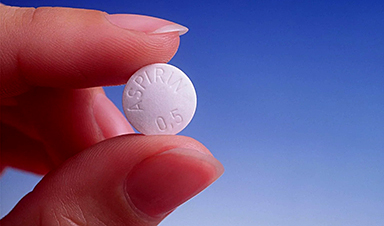
Scientists Discover Aspirin May Slash Dementia Risk by 70% – but Only for Certain People
Aspirin was linked to a sharply lower dementia risk in some older adults, and their genes may hold the clue. A Monash University analysis found that older adults with a particular genetic profile had [...]
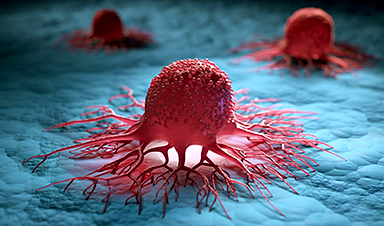
Inflammation May Awaken Dormant Cancer Cells Years After Treatment
The body’s response to inflammation may disturb cancer cells that have been lying silent for years, giving them an opportunity to grow again. Researchers at the Francis Crick Institute have found that gut inflammation [...]
Where do nanoparticles go once they enter the body?
New international best practice guidance, co-written at ANSTO, sets out how to measure where nanoparticles like titanium dioxide end up in the body and how long they remain. The guidance has been shared by [...]
Long-Acting HIV Shots Could Solve a Major Treatment Challenge for Young People
A major African trial suggests that changing how HIV treatment is delivered could significantly improve viral suppression in adolescents. Young people with HIV were more likely to keep the virus suppressed when they received [...]

WHO Factsheets – The top 10 causes of death
In 2023, the 10 leading causes of death accounted for 33 million deaths, or 54% of the total 61 million deaths worldwide. The top global causes of death, in order of total number of lives lost, [...]
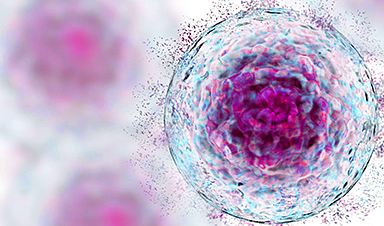
Aging Cells May Be Hiding From the Immune System – Scientists Think They Know How
Your immune system is supposed to clear out damaged cells. Researchers may have found how some of them hide and linger as the body ages. Researchers led by Cedars-Sinai Health Sciences University have identified [...]

Your Voice May Reveal How Fast Your Brain Is Aging
Researchers have developed a machine-learning “speech clock” that estimates age from subtle patterns in how people speak and what they say. It is possible that people’s voices may contain certain signals of aging that [...]
Optogenetics Pioneers Win 2026 Nobel Prize in Physiology or Medicine
The 2026 Nobel Prize in Physiology or Medicine has been awarded to Peter Hegemann, Georg Nagel, and Karl Deisseroth for the development of optogenetics, a revolutionary technology that uses light to control individual neurons [...]