A new study suggests that strengthening the body's natural circadian rhythms may help the brain recover after stroke, even when treatment begins days after the injury.
Every year, millions of people survive a stroke, but recovery often continues long after the immediate medical emergency has passed. Scientists are increasingly discovering that factors beyond the initial brain injury—including sleep, the body's internal clock, and the brain's own cleaning system—may play important roles in determining how well the brain heals.
Now, researchers at the University of Rochester Medicine report that strengthening the body's natural daily rhythms may help boost recovery after stroke. The study suggests that reinforcing circadian rhythms, the 24-hour biological cycles that regulate sleep and many other bodily functions, could enhance the brain's ability to clear waste and reduce lingering inflammation.
Published in the Journal of Clinical Investigation, the research found that treatments designed to reinforce circadian rhythms improved recovery in mouse models of stroke. The benefits were associated with enhanced function of the glymphatic system, a recently discovered network that helps flush waste products from the brain, as well as lower levels of inflammatory molecules that can persist long after the initial injury.
The research builds on more than a decade of work led by URochester Medicine neuroscientist Maiken Nedergaard, MD, DMSc, whose team discovered the glymphatic system in 2012. This network circulates cerebrospinal fluid throughout the brain, helping remove waste and debris. Later studies showed that glymphatic activity is strongest during sleep and is important for maintaining brain health.
Expanding on those findings, neuroscientist Lauren Hablitz, PhD, helped show that glymphatic function is regulated not only by sleep but also by circadian rhythms, the body's internal 24-hour clock. In a landmark 2020 study, Hablitz, Nedergaard, and colleagues demonstrated that glymphatic activity follows daily patterns even when sleep is not a factor, establishing a direct link between circadian biology and the brain's waste-clearing system.
Stroke as a Disorder of Timing
"The discussion of stroke recovery really starts with the idea that stroke is not just a vascular event, but also a disorder of timing," said Hablitz, lead author of the new study.
Scientists have long observed that strokes follow predictable daily patterns. They occur more frequently in the morning and are often most severe near the end of the sleep cycle. Many stroke survivors also experience disruptions to their sleep-wake schedules, which have been associated with poorer recovery, depression, and reduced quality of life.
"That led us to ask a simple question," said Hablitz. "If timing is broken after a stroke, can we improve recovery by reinforcing the biological clock?"
Glymphatic Dysfunction and Brain Inflammation
In a healthy brain, the glymphatic system moves cerebrospinal fluid along blood vessels and through brain tissue, delivering nutrients while removing waste products and inflammatory signals. Previous research has shown that this system becomes less effective after a stroke, potentially reducing the brain's ability to clear harmful molecules during recovery.
Traditionally, stroke research has focused on identifying harmful forms of inflammation and finding ways to suppress them. Hablitz and her colleagues suggest that impaired waste clearance may also play an important role.
"We think part of the problem may be a failure of cleaning," she said. "If the system responsible for clearing signaling molecules isn't working properly, everything builds up."
According to this model, a stroke damages not only brain tissue but also the pathways responsible for removing inflammatory signals. As those molecules accumulate, they may contribute to ongoing damage and slower recovery.
Testing Circadian-Based Stroke Treatments
To determine whether restoring circadian rhythms could improve recovery, the researchers tested several approaches known to affect the body's internal clock, including controlled light exposure, melatonin, a clock-targeting drug called KL001, and time-restricted feeding.
The team first showed that each method enhanced glymphatic function in healthy animals. They then evaluated the two most promising interventions, KL001 and time-restricted feeding, in mouse models of stroke.
Treatment began three days after the stroke, well beyond the limited window when clot-busting drugs and other emergency treatments are effective. Even with that delay, mice receiving either intervention experienced better motor recovery, smaller brain lesions, improved glymphatic flow, and lower levels of inflammatory cytokines.
"All of the cytokines moved in the same direction," Hablitz said. "That suggests we may not be targeting one specific inflammatory pathway. Instead, we may be helping the brain clear inflammatory signals more effectively."
Time-Restricted Feeding Shows Promise
Because time-restricted feeding produced some of the strongest results, the findings may have practical relevance for stroke rehabilitation. The approach is already being studied for conditions including obesity, diabetes, and cardiovascular disease.
"One of the exciting aspects of this work is that we're studying interventions that could potentially be implemented not only in hospitals but also at home," Hablitz said.
Future Directions for Circadian Stroke Therapy
The researchers emphasize that the results are currently limited to animal studies. More research is needed to better understand how circadian rhythms, glymphatic function, and inflammation interact following a stroke.
Future work will examine whether improved glymphatic flow directly contributes to recovery and whether circadian-based therapies can be advanced into clinical trials.
More broadly, the findings reflect a growing view in neuroscience that sleep, circadian rhythms, and fluid movement through the brain are central to overall brain health. By better understanding how the body's internal clock regulates the glymphatic system, researchers hope to develop new treatments not only for stroke recovery but also for other neurological conditions involving inflammation and impaired waste removal.
"Understanding how circadian regulation shapes glymphatic clearance will help us develop more targeted therapies," said Hablitz. "Ultimately, our goal is to find ways to improve the brain's ability to clear waste, reduce inflammation, and recover after injury."
Reference: "Chronotherapy to reinforce circadian rhythms improves poststroke outcomes and glymphatic function in mice" by Emma Waight, Yuxi Zhu, Ashley Caudell, Velia S. Vizcarra, Evan Newbold, Michael J. Giannetto, Evalien Duyvestyn, Estephanie Balbuena, Wei Song, Tanzil M. Arefin, Yuki Mori, Maiken Nedergaard and Lauren M. Hablitz, 15 June 2026, The Journal of Clinical Investigation.
DOI: 10.1172/JCI201800

News – Curated by Amanda Scott, Alias Group Creative
Follow her on Bluesky
Cocaine plays with mind, hijacks brain circuit, drives increasingly rigid and repetitive behavior
Researchers have found that cocaine hijacks brain circuit, which to drive increasingly rigid and repetitive behavior. The brain circuit that normally participates in selecting natural mouth and face movements, but which becomes disproportionately engaged [...]
Injectable nanodevices could provide effective treatment for drug-resistant glioblastoma
The brain cancer glioblastoma is one of the most aggressive and treatment-resistant cancers known to medicine, carrying a median survival of just 12-15 months, even with the best available care. Now, researchers at the [...]
New Treatment Cuts “Bad” Cholesterol in Half for a Full Year
A single infusion of an experimental CRISPR-Cas9 therapy was reported to safely lower LDL cholesterol by 52.5% and triglycerides by 47.8%, as measured 12 months after treatment. What if one infusion could keep cholesterol [...]
Too Much RNA Can Drain a Cell’s Energy, Scientists Discover
A virus may cripple a cell’s power supply simply by producing too much of a molecule the cell needs to survive. New research from the Texas A&M College of Veterinary Medicine and Biomedical Sciences [...]
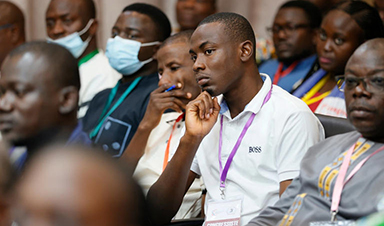
West African scientists warn of weakening health systems and urge stronger outbreak detection
LOME, Togo (AP) — West African laboratory scientists called on governments Friday to strengthen capacity to detect disease outbreaks to avoid another major outbreak, saying health systems across the region are becoming weaker. Participants [...]

A Little-Known Protein Could Point to a New Way To Treat Alzheimer’s
A study suggests that increasing SORLA protein levels could help treat Alzheimer’s disease and other disorders involving tau protein. Increasing SORLA, a protein with a protective role in the brain, helped mice withstand damage [...]
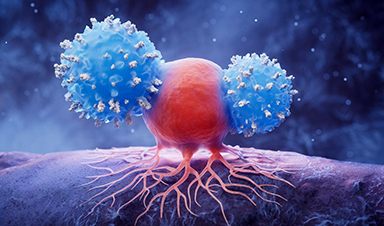
Cancer’s Hidden Antioxidant Shield Helps It Escape the Immune System
Blocking an antioxidant protein that tumors use to suppress immune attacks improved cancer immunotherapy responses in mice. Cancer cells can release antioxidants that interfere with the immune cells trying to kill them. Researchers have [...]
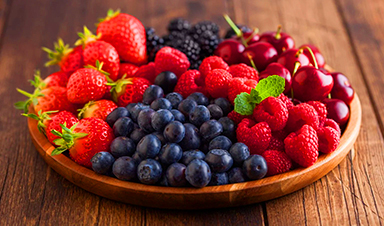
Scientists Find a Berry Compound That Helps Muscle Cells Burn Fat
Pterostilbene, a compound found naturally in some foods, affects how skeletal muscles process fats by stabilizing a protein called PPARδ and increasing its signaling activity. Pterostilbene, a natural compound found in blueberries, grapes, and [...]
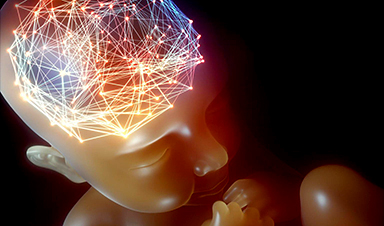
Two Hidden Forces Help Build the Human Brain Before Birth
Scientists have uncovered two surprising forces that help guide how the human brain forms before birth. Before birth, the human brain is shaped in large part by an unusual class of stem cells known [...]
Researchers Uncover a Hidden Trigger Behind Chronic Inflammation
The findings offer new insights that could help guide the development of future therapies. A protein called human resistin may help flip on one of the immune system’s most powerful inflammatory switches. Researchers at [...]
Scientists Have Uncovered Previously Hidden Microbial Activity on Human Skin
The most abundant microbes on your skin may not be the ones doing most of the work. Human skin supports vast communities of bacteria, fungi, and viruses that can influence its protective barrier, immune [...]
Brazilian Tree Compounds Fight COVID-19 on Multiple Fronts
Scientists found compounds in a Brazilian tree that hit SARS-CoV-2 on multiple fronts, revealing a promising new lead in the search for COVID-19 treatments. Researchers have found that galloylquinic acids extracted from the leaves [...]
Cutting Two Amino Acids Slowed Prostate Cancer in Mice
A newly identified link between amino acid metabolism and cholesterol production may help prostate tumors adapt to hormone therapy. Prostate cancer can find ways around treatments designed to deprive tumors of the hormones they [...]
Largest-Ever Physics Survey Raises New Doubts About Our Model of the Universe
Physicists around the world remain deeply divided on key mysteries of the universe, from dark matter to quantum gravity. The standard cosmological model failed to gain majority support, and no leading theory dominated the [...]
Scientists Just Overturned a 100-Year-Old Belief About Bacteria in the Lungs
New findings raise questions about the role of microbes living in the lungs. More than 35 trillion bacteria live throughout the human body, forming microbiomes in the gut, mouth, lungs, skin, and urogenital tract. [...]
GHCE Concept
From the preface of the book Global Health Care Equivalency in the Age of Nanotechnology, Nanomedicine and Artificial Intelligence, Edited by Frank Boehm: Since the publication of my first book (Nanomedical Device and Systems [...]