An engineered stem cell therapy reversed new-onset Type 1 diabetes in mice by shifting the immune system away from attacking insulin-producing cells.
For more than a century, people with Type 1 diabetes have relied on insulin to survive, but the treatment does not stop the immune system from continuing its attack on the body's insulin-producing cells. Scientists have long searched for ways to address the underlying cause of the disease rather than simply managing its symptoms.
Now, researchers at the Medical University of South Carolina (MUSC) report an experimental stem cell therapy that reversed newly diagnosed Type 1 diabetes in a mouse model. The treatment, described in Molecular Therapy, was designed to reprogram the immune system and protect the insulin-producing cells that remain after disease onset, offering a potential new strategy for combating the autoimmune disorder.
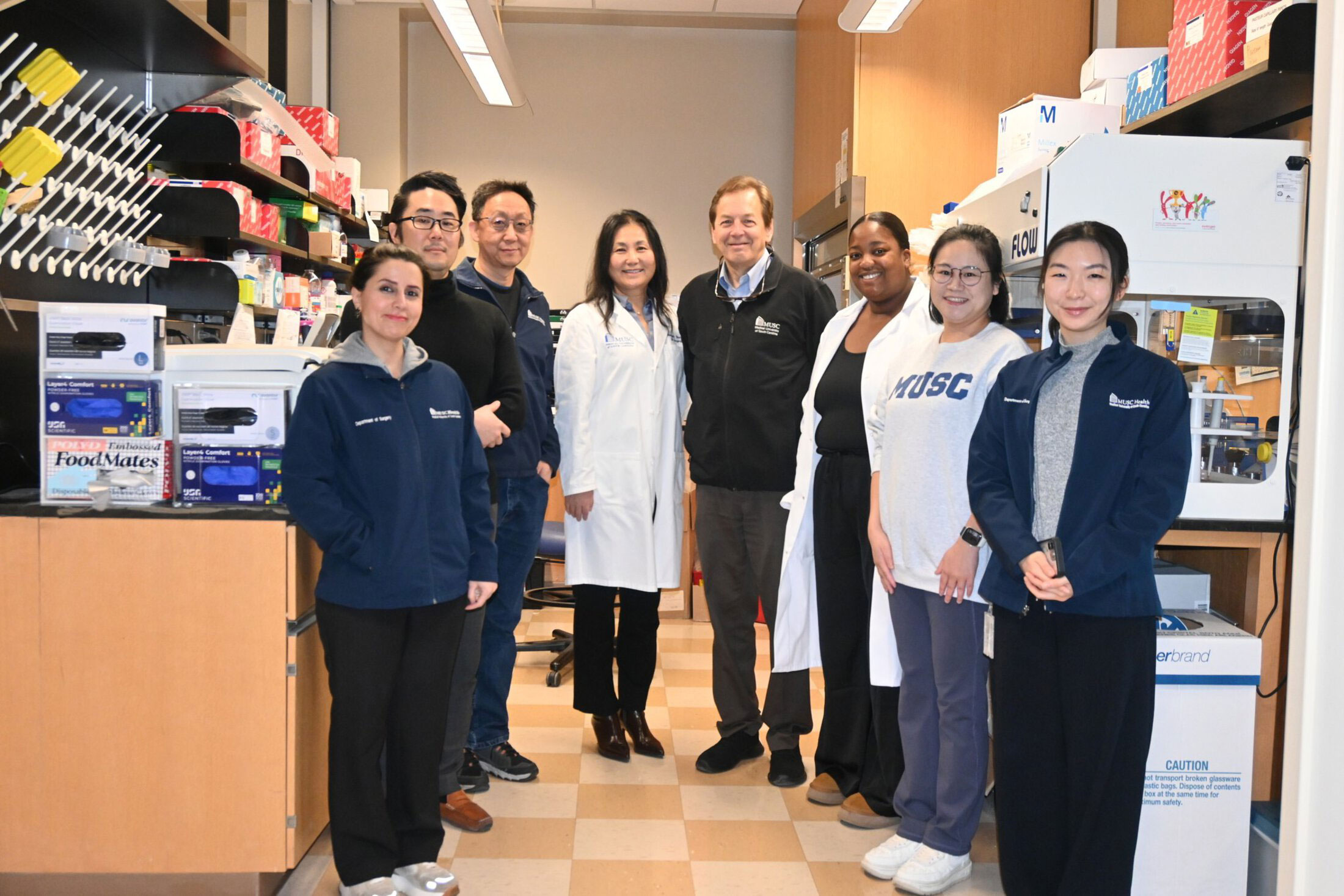
The work was led by Hongjun Wang, Ph.D., associate director of the South Carolina Clinical & Translational Research (SCTR) Institute Pilot Program and co-scientific director of the Center for Cellular Therapy. Co-first authors Hua Wei, Ph.D.; Judong Kim, Ph.D.; and Wenyu Gou, Ph.D., together with other collaborators, carried out much of the research behind the findings.
"While insulin injections are lifesaving, they cannot stop immune attacks, and they do not prevent long-term complications," said Wang. "This study suggests a new way to treat Type 1 diabetes by addressing the root cause – immune system dysfunction –rather than just managing blood sugar."
The therapy is based on mesenchymal stem/stromal cells (MSCs), adult stem cells that can help repair tissue and regulate immune activity. Earlier clinical trials have suggested that standard MSCs may help preserve the insulin production that remains in people with T1D. The challenge is that the body's intense inflammatory response can overpower those cells before they are able to reverse established disease.
To make the cells more resilient, Wang's team engineered MSCs to produce alpha-1 antitrypsin (AAT), a protective protein that helps defend against inflammation. The modified AAT-MSCs appear to work in two ways at once, protecting surviving insulin-producing cells in the pancreas while also reducing the overactive immune attack. Co-senior author Charlie Strange, M.D., emphasized that this combined effect makes AAT-MSC treatment more potent than standard stem cell therapy.
Reprogramming the immune system
Wang's team next investigated how the treatment was acting inside the immune system. After examining thousands of individual immune cells, they found that AAT-MSC infusion did more than quiet an overactive immune response. It appeared to reshape how the immune system behaved.
The therapy affects two opposing immune cell groups. T-regulatory cells act as peacekeepers, helping preserve insulin production in the pancreas, while CD8+ killer T-cells drive the attack that destroys insulin-producing cells. In T1D, the protective cells are present, but they are overwhelmed by a constant wave of attacking cells, which ultimately contributes to the loss of insulin production.
After treatment with AAT-MSCs, Wang and her team saw a sharp rise in the number of protective T-regulatory cells and a drop in active attacking cells. Those attacker cells appeared to have been pushed into exhaustion by the therapy.
Another notable feature of the treatment was its durability. The stem cells disappeared from the body within hours or days, yet the immune system changes continued.
"To impact or cure T1D, the stem cells themselves don't need to be there," said Wang. "This means that when you administer the cell therapy to patients, the effect can last six months to two years, as seen in clinical trials using MSCs for a range of diseases." Wang thinks AAT-MSCs may release microscopic factors that keep protecting organs after the cells themselves are gone.
A hopeful future
The study centered on newly diagnosed diabetes, a period when patients are more likely to still have insulin-producing cells that can potentially be saved. The Wang team is now evaluating the safety and effectiveness of MSCs in patients with newly diagnosed Type 1 diabetes in a clinical trial. Wang's earlier work in this area was supported by a SCTR Discovery Grant.
The findings could have relevance beyond diabetes. Wang and her colleagues are already studying whether a similar immune reprogramming approach could be useful for other inflammatory and autoimmune diseases, including lupus and chronic pancreatitis.
More research is still needed before this treatment can advance into broader clinical testing, but the results point to a possible new direction for diabetes care.
"If preliminary trials are successful, we want to do a large, multicenter trial for Type 1 diabetes," said Wang. "The good news is that there are studies saying that even if you have had T1D for many years, you still have remaining insulin-producing cells there that are functioning. So hopefully we can apply this to people with long-term T1D as well."
Reference: "Taming autoimmunity: Alpha-1 antitrypsin overexpressing mesenchymal stromal cells promote regulatory T cell crosstalk to reverse diabetes" by Hua Wei, Wenyu Gou, Judong Kim, Suganya Subramanian, Tiffany Yeung, Paramita Chakraborty, Ahmed Lotfy, Shikhar Mehrotra, Stefano Berto, Charlie Strange and Hongjun Wang, 30 March 2026, Molecular Therapy.
DOI: 10.1016/j.ymthe.2026.03.032

News – Curated by Amanda Scott, Alias Group Creative
Follow her on Bluesky
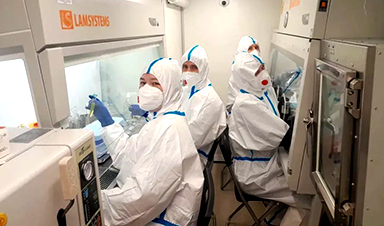
Researcher at Russian plague laboratory dies of ‘unknown’ infection
Russian authorities have imposed "anti-epidemic measures" after a laboratory worker at an institute in Siberia dedicated to studying the plague and other infectious diseases died of a mysterious illness. The researcher, a 28-year-old female [...]
GHCE Concept
From the preface of the book Global Health Care Equivalency in the Age of Nanotechnology, Nanomedicine and Artificial Intelligence, Edited by Frank Boehm: Since the publication of my first book (Nanomedical Device and Systems [...]

A Surprising Brain Signal Could Explain Why Eating Less Protein Extends Lifespan
A new paper suggests that limiting protein intake triggers a coordinated response throughout the body that may help explain how protein restriction affects healthy aging. Animals respond to protein restriction, or reduced protein in [...]

Back and shoulder surgery is often worse than useless
Millions of operations should be scrapped SIX IN TEN Britons have surgery at some point. So do lots of Americans, at a cost of perhaps $500bn a year, a third of all spending on [...]
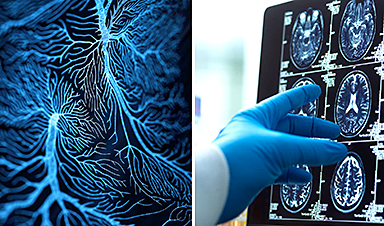
Cocaine plays with mind, hijacks brain circuit, drives increasingly rigid and repetitive behavior
Researchers have found that cocaine hijacks brain circuit, which to drive increasingly rigid and repetitive behavior. The brain circuit that normally participates in selecting natural mouth and face movements, but which becomes disproportionately engaged [...]
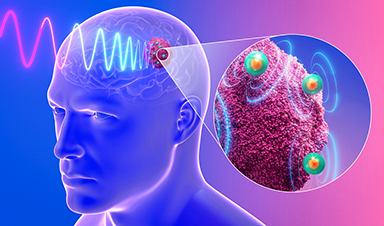
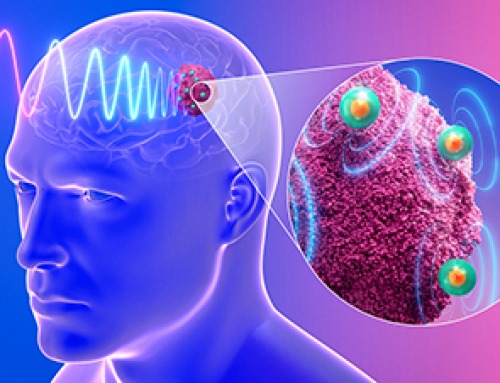
Injectable nanodevices could provide effective treatment for drug-resistant glioblastoma
The brain cancer glioblastoma is one of the most aggressive and treatment-resistant cancers known to medicine, carrying a median survival of just 12-15 months, even with the best available care. Now, researchers at the [...]
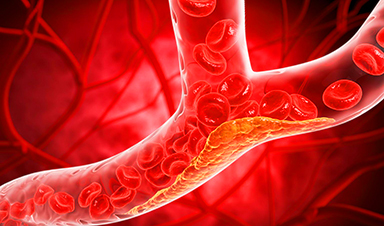
New Treatment Cuts “Bad” Cholesterol in Half for a Full Year
A single infusion of an experimental CRISPR-Cas9 therapy was reported to safely lower LDL cholesterol by 52.5% and triglycerides by 47.8%, as measured 12 months after treatment. What if one infusion could keep cholesterol [...]
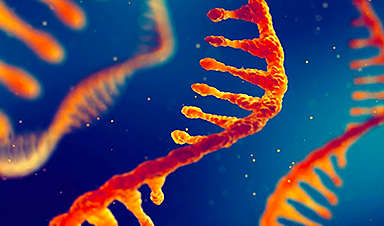
Too Much RNA Can Drain a Cell’s Energy, Scientists Discover
A virus may cripple a cell’s power supply simply by producing too much of a molecule the cell needs to survive. New research from the Texas A&M College of Veterinary Medicine and Biomedical Sciences [...]
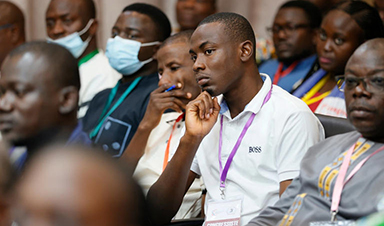
West African scientists warn of weakening health systems and urge stronger outbreak detection
LOME, Togo (AP) — West African laboratory scientists called on governments Friday to strengthen capacity to detect disease outbreaks to avoid another major outbreak, saying health systems across the region are becoming weaker. Participants [...]

A Little-Known Protein Could Point to a New Way To Treat Alzheimer’s
A study suggests that increasing SORLA protein levels could help treat Alzheimer’s disease and other disorders involving tau protein. Increasing SORLA, a protein with a protective role in the brain, helped mice withstand damage [...]
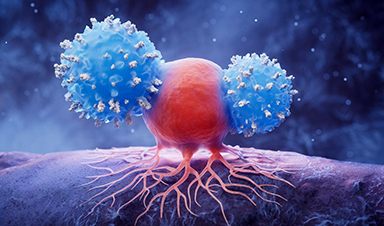
Cancer’s Hidden Antioxidant Shield Helps It Escape the Immune System
Blocking an antioxidant protein that tumors use to suppress immune attacks improved cancer immunotherapy responses in mice. Cancer cells can release antioxidants that interfere with the immune cells trying to kill them. Researchers have [...]

Scientists Find a Berry Compound That Helps Muscle Cells Burn Fat
Pterostilbene, a compound found naturally in some foods, affects how skeletal muscles process fats by stabilizing a protein called PPARδ and increasing its signaling activity. Pterostilbene, a natural compound found in blueberries, grapes, and [...]

Two Hidden Forces Help Build the Human Brain Before Birth
Scientists have uncovered two surprising forces that help guide how the human brain forms before birth. Before birth, the human brain is shaped in large part by an unusual class of stem cells known [...]
Researchers Uncover a Hidden Trigger Behind Chronic Inflammation
The findings offer new insights that could help guide the development of future therapies. A protein called human resistin may help flip on one of the immune system’s most powerful inflammatory switches. Researchers at [...]
Scientists Have Uncovered Previously Hidden Microbial Activity on Human Skin
The most abundant microbes on your skin may not be the ones doing most of the work. Human skin supports vast communities of bacteria, fungi, and viruses that can influence its protective barrier, immune [...]
Brazilian Tree Compounds Fight COVID-19 on Multiple Fronts
Scientists found compounds in a Brazilian tree that hit SARS-CoV-2 on multiple fronts, revealing a promising new lead in the search for COVID-19 treatments. Researchers have found that galloylquinic acids extracted from the leaves [...]