A groundbreaking study evaluates the feasibility, risks, and ethical considerations of creating mirror bacteria with reversed chirality, highlighting potential threats to health and ecosystems.
In a recent study published in Science, a team of researchers investigated and discussed the potential roadblocks to and risks of “mirror life,” where life forms are synthesized using biomolecules with reversed chirality compared to natural life.
The researchers assessed the feasibility, safety concerns, and governance strategies to address the unprecedented risks posed by these synthetic life forms.
Background
Natural life is characterized by specific molecular chirality, with ribonucleic acid (RNA), deoxyribonucleic acid (DNA), and proteins being composed of specific enantiomers.
Advances in synthetic biology now allow for the synthesis of mirror-image biomolecules, which are resistant to degradation and hold promise for therapeutic applications.
Furthermore, the creation of mirror organisms, such as mirror bacteria, represents a significant advancement in biological engineering that can combine these mirror-image biomolecules into viable life forms.
However, while synthetic mirror molecules offer some benefits, the construction of mirror organisms also raises significant concerns. Such entities could evade immune responses, resist natural predators, and potentially proliferate uncontrollably, presenting risks to health and ecosystems.
Although existing studies have explored the functionality of these mirror biomolecules, a comprehensive risk assessment for mirror organisms is lacking.
The growing technical feasibility of creating mirror life highlights the need for deeper understanding, ethical considerations, and regulatory measures to address potential dangers and to balance scientific progress with public safety.
About the study
The present study analyzed the feasibility and risks associated with creating mirror bacteria using mirror-image biomolecules. The team, consisting of experts in synthetic biology, immunology, ecology, and biosecurity, assessed the technical challenges and potential hazards of mirror life.
They focused on the likelihood of mirror bacteria surviving and spreading in natural and host environments, with specific attention to their interactions with immune systems and ecosystems.
The analysis highlighted key technical hurdles in constructing mirror bacteria, including synthesizing complex mirror molecules such as DNA, proteins, and ribosomes. Furthermore, the researchers identified and discussed the two potential methods for constructing mirror organisms.
The study also examined how mirror bacteria might evade immune defenses, given the importance of chirality to immune recognition. Additionally, the researchers emphasized the risk of ecological invasion and compared mirror bacteria to invasive species that thrive without natural predators.
Results
The study reported that mirror bacteria could evade immune responses and disrupt ecosystems, posing significant risks. These organisms were expected to resist common immune mechanisms, such as antigen presentation and antibody production, potentially allowing unchecked growth.
Mirror bacteria were also predicted to survive environmental challenges, avoiding predation and natural microbial competition due to their reversed chirality.
The researchers determined that reversed chirality makes mirror biomolecules resistant to immune recognition and predation, enabling their survival and proliferation in natural environments. Such bacteria could potentially cause severe infections in humans, animals, and plants due to impaired immune defenses.
Furthermore, the findings indicated that mirror bacteria could potentially also resist degradation from immune processes, such as antigen presentation and antibody generation.
Vertebrate immune systems, which rely on these mechanisms, would likely be ineffective against mirror pathogens. Invertebrates and plants may also experience compromised immune responses.
The experimental data indicated that mirror proteins could also be resistant to cleavage and may not effectively trigger adaptive immune mechanisms, supporting the predictions about the severe pathogenic potential of these organisms.
Beyond health risks, the authors predicted that mirror bacteria could also evade natural microbial competitors and predators, including bacteriophages and antibiotics, due to their unique chirality.
This could allow them to colonize various environments, much like invasive species with limited natural controls.
Even with proposed biocontainment measures, such as engineered dependencies on synthetic nutrients, the potential for escape and misuse remains significant. The researchers stated that physical containment measures, while helpful, are vulnerable to accidents and failures.
The capacity of the mirror bacteria to exploit achiral nutrients and engineered pathways for consuming common nutrients further increases their potential to thrive outside laboratory settings.
The analysis also highlighted the potential for ecological imbalance. The persistent presence of mirror bacteria in ecosystems could lead to global dissemination, evolution, and harm to biodiversity. Even stringent biocontainment measures might fail to prevent accidental or even deliberate release.
Conclusions
In summary, the study stated that while mirror biomolecules offer valuable scientific applications, the risks of creating mirror bacteria far outweigh the potential benefits.
The study stated that creating mirror bacteria poses extraordinary risks to health and ecosystems due to immune evasion and ecological disruption, and the findings called for stringent policies to prevent the development of mirror organisms.
Preventing the development of mirror organisms ensures public safety while allowing progress in beneficial areas of synthetic biology. Furthermore, the team emphasized that collaboration among scientists, policymakers, and stakeholders is essential to mitigate these risks responsibly.
- Adamala, Katarzyna P, Agashe, D., Belkaid, Y., Matias, D., Cai, Y., Chang, M. W., Chen, I. A., Church, G. M., Cooper, V. S., Davis, M. M., Devaraj, N. K., Endy, D., Esvelt, K. M., Glass, J. I., Hand, T. W., Inglesby, T. V., Isaacs, F. J., James, W. G., Jonathan, & Kay, M. S. (2024). Confronting risks of mirror life. Science, 0(0), eads9158. doi:10.1126/science.ads9158. https://www.science.org/doi/10.1126/science.ads9158

News

Scientists Find a Berry Compound That Helps Muscle Cells Burn Fat
Pterostilbene, a compound found naturally in some foods, affects how skeletal muscles process fats by stabilizing a protein called PPARδ and increasing its signaling activity. Pterostilbene, a natural compound found in blueberries, grapes, and [...]
Two Hidden Forces Help Build the Human Brain Before Birth
Scientists have uncovered two surprising forces that help guide how the human brain forms before birth. Before birth, the human brain is shaped in large part by an unusual class of stem cells known [...]
Researchers Uncover a Hidden Trigger Behind Chronic Inflammation
The findings offer new insights that could help guide the development of future therapies. A protein called human resistin may help flip on one of the immune system’s most powerful inflammatory switches. Researchers at [...]
Scientists Have Uncovered Previously Hidden Microbial Activity on Human Skin
The most abundant microbes on your skin may not be the ones doing most of the work. Human skin supports vast communities of bacteria, fungi, and viruses that can influence its protective barrier, immune [...]
Brazilian Tree Compounds Fight COVID-19 on Multiple Fronts
Scientists found compounds in a Brazilian tree that hit SARS-CoV-2 on multiple fronts, revealing a promising new lead in the search for COVID-19 treatments. Researchers have found that galloylquinic acids extracted from the leaves [...]
Cutting Two Amino Acids Slowed Prostate Cancer in Mice
A newly identified link between amino acid metabolism and cholesterol production may help prostate tumors adapt to hormone therapy. Prostate cancer can find ways around treatments designed to deprive tumors of the hormones they [...]
Largest-Ever Physics Survey Raises New Doubts About Our Model of the Universe
Physicists around the world remain deeply divided on key mysteries of the universe, from dark matter to quantum gravity. The standard cosmological model failed to gain majority support, and no leading theory dominated the [...]
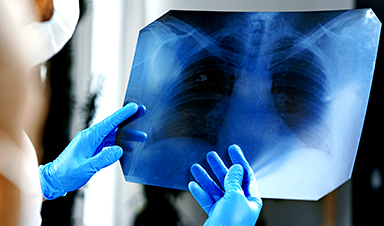
Scientists Just Overturned a 100-Year-Old Belief About Bacteria in the Lungs
New findings raise questions about the role of microbes living in the lungs. More than 35 trillion bacteria live throughout the human body, forming microbiomes in the gut, mouth, lungs, skin, and urogenital tract. [...]
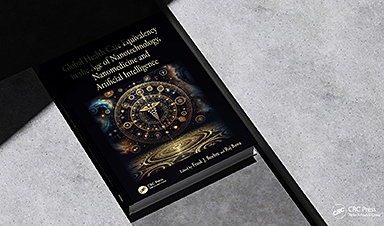
GHCE Concept
From the preface of the book Global Health Care Equivalency in the Age of Nanotechnology, Nanomedicine and Artificial Intelligence, Edited by Frank Boehm: Since the publication of my first book (Nanomedical Device and Systems [...]

Novartis, Ionis drug failure spurs questions
Pelacarsen didn’t protect heart health despite lowering levels of a protein particle, “Lp(a),” in a large clinical trial — a result with important implications for cardiovascular drug research. Dive Brief: An RNA drug from [...]
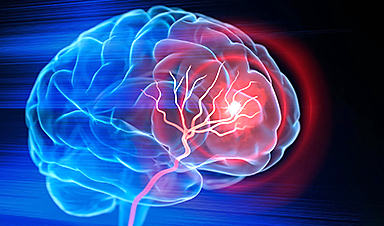
New injectable treatment helps the brain rebuild after stroke
Biomedical engineers at Duke University have created an injectable biomaterial that may help the brain recover from damage left behind by an ischemic stroke. In experiments with mice, the material transformed the cavity created [...]
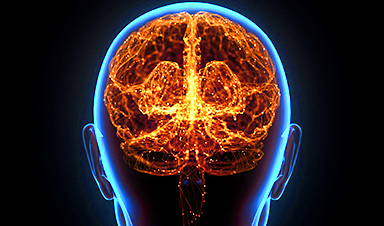
Scientists Discover a Hidden “Immune Organ” Inside the Skull
Researchers discovered lymph node-like immune hubs inside skull bone marrow that appear to act as rapid-response centers for the brain. For decades, the brain was thought to operate largely apart from the immune system. [...]
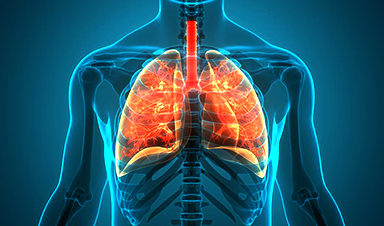
Engineered tRNAs and lipid nanoparticles target nonsense mutation cystic fibrosis
Researchers have developed a potential new approach for treating a form of cystic fibrosis caused by so-called nonsense mutations, combining chemically modified transfer RNAs with lipid nanoparticles designed to deliver the therapy directly to [...]
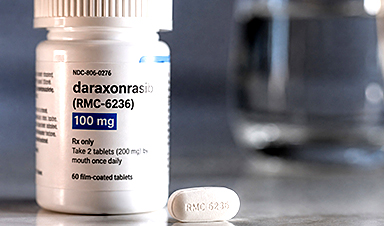
New pancreatic cancer drug carries a $39,800 monthly list price
A groundbreaking treatment for one of the most common forms of pancreatic cancer has been approved in pill form by the FDA. Revolution Medicines’ oral tablet daraxonrasib, branded as Rasonque, reduced the risk of [...]
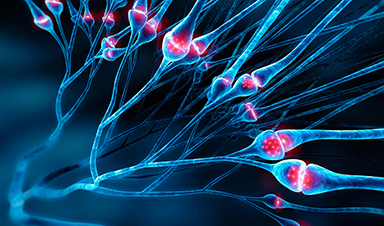
Researchers Have Discovered a New Way To Reduce Chronic Nerve Pain
A cancer-linked protein called BRAF may help drive chronic nerve pain, and existing cancer drugs targeting it reduced pain sensitivity in preclinical models. Chronic nerve pain can persist long after an injury and often [...]
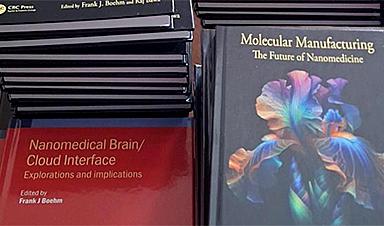
Our books now available worldwide!
Online Sellers other than Amazon, Routledge, and IOPP Indigo Global Health Care Equivalency in the Age of Nanotechnology, Nanomedicine and Artifcial Intelligence Global Health Care Equivalency In The Age Of Nanotechnology, Nanomedicine And Artificial [...]